Sargassum in Punta Cana: Seaweed Season, Beach Conditions and Travel Tips
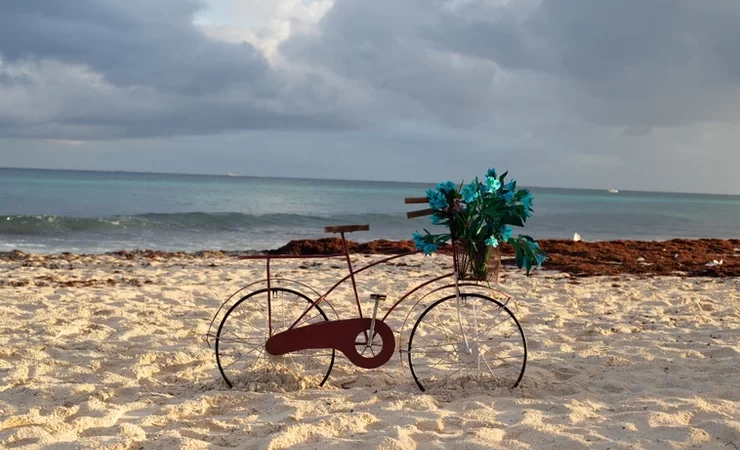
Planning a vacation to Punta Cana and worried about seaweed on the beach? You are not alone. Sargassum has become an important consideration for travelers visiting the Dominican Republic and other Caribbean destinations. Large quantities of this floating brown algae can sometimes wash ashore, affecting the appearance of beaches, swimming conditions, and the overall beach experience.
The good news is that sargassum does not affect every beach equally, and conditions can change from one day to the next. Some beaches may experience significant accumulations while others have relatively little. Hotels and local authorities also undertake cleanup and management activities, although these efforts cannot guarantee that a beach will remain free of seaweed.
Understanding what sargassum is, when it is more likely to arrive, and how to check current beach conditions can help you make a more informed decision about your vacation.
In this guide, you will learn what causes sargassum in Punta Cana, when it is most common, which coastal areas may be affected, how to check conditions before traveling, and what to do if seaweed appears during your stay. We will also explore alternative activities and practical tips for enjoying the Dominican Republic even when beach conditions are not ideal.
What Is Sargassum?
Sargassum is a type of brown macroalgae that floats on the ocean’s surface. Unlike many seaweeds that grow attached to rocks or the seabed, some species of sargassum can remain afloat and form large floating mats.
In the open ocean, these mats provide food, shelter, and nursery habitat for fish, turtles, crustaceans, and other marine organisms. Sargassum is therefore a natural and ecologically important part of marine ecosystems.
The problem arises when unusually large quantities accumulate near shore and wash onto beaches.
As sargassum decomposes on the sand, it can produce an unpleasant smell and affect the appearance and use of the beach. Extensive accumulations can also create environmental challenges for coastal communities and tourism businesses.
Sargassum is not exclusive to Punta Cana. It has affected various destinations throughout the Caribbean, the tropical Atlantic, and parts of the Gulf region. Its movement depends on a combination of ocean currents, winds, weather patterns, and the distribution of floating algae.
For travelers, the most important distinction is between the presence of sargassum offshore and an actual accumulation on the beach. Floating algae can be visible in the water without necessarily reaching the shoreline in large quantities.
Why Is There So Much Seaweed in Punta Cana?
Sargassum arrives in Punta Cana as part of a wider ocean phenomenon affecting Caribbean coastlines. Large floating accumulations develop and move through the tropical Atlantic and Caribbean Sea before currents and winds carry some of them toward land.
Scientists continue to study why the distribution and abundance of sargassum have changed over time. Several interacting factors influence its growth and movement.
1. Ocean Currents
Ocean currents transport floating sargassum across large distances. The location of algae offshore does not automatically determine which beach it will reach.
Currents, wind direction, waves, and coastal conditions all influence whether floating algae approaches the shore, passes by, or accumulates on a particular beach.
This is one reason why two beaches in the same general destination can experience different conditions on the same day.
2. Seasonal Changes
Sargassum arrivals in the Caribbean often increase during warmer parts of the year, although the timing and intensity vary between years.
The exact period of greatest impact is not fixed. Large arrivals can occur outside the months travelers traditionally associate with sargassum season.
For this reason, it is better to check current observations and short-term forecasts than to rely exclusively on a calendar.
3. Nutrients and Ocean Conditions
Sargassum growth is influenced by the availability of nutrients, light, temperature, and other environmental conditions.
Researchers are investigating how changes in ocean conditions, nutrient inputs, and climate-related factors contribute to the scale and distribution of major sargassum blooms.
It is an oversimplification to attribute every arrival to one cause. The phenomenon involves several natural processes and environmental influences operating across a large ocean region.
4. Wind and Coastal Conditions
Even when sargassum is present offshore, local wind direction and coastal conditions can influence whether it reaches the beach.
A change in wind or currents can alter the amount of seaweed arriving at a particular stretch of coast. This can also mean that a beach with significant accumulations one day may look different later.
The key takeaway: Sargassum is difficult to predict at the level of an individual beach. Historical patterns can provide context, but recent observations are more useful when deciding where to spend your beach time.
When Is Sargassum Season in Punta Cana?
Sargassum can arrive at any time of year, but the Caribbean often experiences greater arrivals during the warmer months.
For many travelers, the period from spring through summer is particularly worth monitoring. However, the timing of major arrivals varies from year to year, and significant accumulations can continue into other months.
There is no guaranteed month when every Punta Cana beach will be covered in seaweed—or when every beach will be clear.
Sargassum in Punta Cana by Season
Winter: December to February
Some beaches may have relatively little sargassum during parts of winter, but conditions are not guaranteed to be clear. Travelers planning a winter holiday should still check recent beach reports.
Spring: March to May
Sargassum activity can increase during spring as large floating accumulations move through the tropical Atlantic and Caribbean. The level of impact varies between destinations and individual beaches.
Summer: June to August
Summer is an important period for monitoring sargassum in the Caribbean. Some beaches may experience substantial arrivals, while other areas remain more manageable.
Autumn: September to November
Sargassum can continue to affect beaches during autumn. The amount depends on the location of offshore accumulations, weather patterns, and ocean conditions.
These seasonal descriptions are general guidance, not a prediction for a specific travel date. For an upcoming vacation, check recent reports shortly before departure and again after arriving.
How to Check the Current Sargassum Situation in Punta Cana
If you are planning a trip to Punta Cana, checking current conditions is one of the most useful things you can do before choosing a hotel or scheduling beach activities.
Sargassum is dynamic. A report from several weeks ago may not accurately describe the conditions you will encounter during your vacation.
Use a combination of satellite-based monitoring, local beach observations, and information from your hotel.
1. Check NOAA’s Sargassum Monitoring Maps
The U.S. National Oceanic and Atmospheric Administration (NOAA), working with the University of South Florida and other partners, provides a Sargassum Inundation Risk product.
This resource uses satellite-derived information and other inputs to estimate the risk of sargassum reaching coastal areas. It is useful for understanding regional patterns and identifying areas that may be at risk.
Visit the NOAA Sargassum Inundation Risk Report to review the latest available information.
Important: This is a regional risk-monitoring tool, not a guarantee of the conditions at an individual hotel beach. It is experimental and subject to validation, and the actual amount of seaweed reaching shore can differ from the estimated risk.
2. Review Dominican Republic Government Information
The Dominican Republic’s Ministry of Environment publishes information about sargassum, its environmental effects, and efforts to manage coastal arrivals.
The ministry’s Sargassum in the Caribbean Region page explains the phenomenon and describes the challenges associated with large accumulations.
The government has also established guidance for collecting and managing sargassum along Dominican beaches. This matters because removing seaweed must be done carefully to avoid damaging coastal ecosystems.
3. Contact Your Hotel Directly
Your hotel is often one of the best sources of practical information about the beach immediately outside the property.
Before booking, ask the hotel:
- What are the current beach conditions?
- Has sargassum been accumulating recently?
- How frequently is the beach cleaned?
- Are floating barriers or other management measures in use?
- Have recent conditions affected swimming or water activities?
- Are alternative pools, beach areas, or activities available?
Ask for recent photographs or videos if you want a clearer picture of the beach. Ideally, these should be dated and show the actual section of coastline used by the property.
Remember that conditions can change between the time a photograph is taken and your arrival.
4. Check Recent Traveler Reports Carefully
Recent guest reviews, travel forums, and social media posts can provide useful clues about beach conditions.
However, a report from another resort or a different part of the coastline may not reflect what is happening at your hotel.
When reviewing photos or comments, look for the exact property or beach, the date of the report, and whether the conditions appear to have persisted or changed.
The most useful information is recent, location-specific, and supported by more than one source.
5. Ask Again Shortly Before Departure
If sargassum is an important concern, check the situation a few days before your flight.
You can also contact the hotel again after arriving to ask which nearby beaches currently have the best conditions.
This approach is more reliable than choosing a destination based only on an annual seasonal forecast.
Which Beaches in Punta Cana Are Affected by Sargassum?
Sargassum does not arrive uniformly along the Punta Cana coastline. The impact can vary by beach, section of coast, and date.
Punta Cana’s eastern coastline includes several well-known beach areas, such as Bávaro, Cabeza de Toro, Macao, Cap Cana, and Uvero Alto. Each offers a different setting, but none can be guaranteed to remain free of sargassum throughout the year.
The following descriptions explain what travelers should consider when comparing these areas.
Bávaro Beach
Bávaro Beach is one of the Dominican Republic’s best-known beach destinations, with a long coastline of resorts, palm trees, and turquoise water.
When conditions are favorable, it is a popular place for swimming, sunbathing, and water activities. During sargassum arrivals, some sections may accumulate seaweed while others may be less affected.
If you are choosing a resort in Bávaro, ask about the specific section of beach used by the property. Conditions at one hotel do not necessarily represent the entire coastline.
Read more in our Bávaro Travel Guide.
Cabeza de Toro
Cabeza de Toro is a coastal area associated with beachfront resorts and marine activities.
Like other eastern coastal destinations, it can experience sargassum arrivals. The extent of the impact depends on conditions at the time, and hotel cleanup measures may influence how the beach looks during the day.
Ask your accommodation for recent updates if you plan to spend most of your holiday swimming or relaxing on the sand.
Explore our Cabeza de Toro Guide.
Cap Cana and Juanillo Beach
Cap Cana is known for its upscale resorts, marina, golf facilities, and coastal attractions. Juanillo Beach is one of its best-known beaches.
The area may experience different conditions from other parts of Punta Cana, but it should not be considered automatically sargassum-free.
If Juanillo Beach is on your itinerary, check current conditions and confirm access arrangements before visiting.
Learn more in our Cap Cana Travel Guide.
Uvero Alto
Uvero Alto is located north of the central Bávaro resort area and is known for its beachfront hotels and expansive coastline.
The area can experience sargassum arrivals, and conditions may vary considerably along the shore.
In October 2026, the Dominican Republic’s Ministry of Environment reported inspections and sargassum-management activities involving hotel properties along the eastern coast, including the area from Uvero Alto to Cabeza de Toro. This illustrates why travelers should check current information rather than rely on general claims about one beach being consistently clear.
Macao Beach
Macao Beach is known for its scenic coastline and is popular with visitors seeking a beach experience outside the larger resort complexes.
However, its natural setting does not protect it from sargassum. Check the latest local reports before making a special trip, especially if beach swimming is your main reason for visiting.
Sea conditions can also vary, so observe local warnings and avoid entering the water when conditions are unsafe.
Are There Sargassum-Free Beaches in Punta Cana?
Travelers often search for a completely sargassum-free beach, particularly when planning a long-awaited Caribbean vacation.
Unfortunately, no beach in Punta Cana can be guaranteed to remain free of sargassum throughout the year.
Some beaches may have significantly less seaweed than others on a particular day. In addition, the shape of the coastline, currents, winds, offshore accumulations, and local cleanup operations can affect what visitors experience.
Instead of relying on a permanent list of seaweed-free beaches, use a practical approach:
- Identify two or three beaches you would be happy to visit.
- Check recent reports for each location.
- Ask your hotel which nearby areas currently have the best conditions.
- Confirm transport options before traveling to another beach.
- Keep a backup activity in case conditions change.
This strategy gives you more flexibility than choosing a hotel based on an unverified claim that its beach is always free of seaweed.
If you have not yet booked your accommodation, compare the overall resort facilities as well as the beach. A property with a good pool, restaurants, shaded areas, and activities may provide a more enjoyable vacation if sargassum temporarily affects the shoreline.
Is Sargassum Harmful to Humans?
Sargassum in the open ocean is a natural part of the marine environment. However, large accumulations that wash ashore can create unpleasant conditions and potential health concerns as the algae decomposes.
Freshly floating sargassum and decomposing seaweed on the beach should not be treated as identical situations.
Unpleasant Odors
As seaweed decomposes, it can release gases that create a strong, unpleasant smell.
For many visitors, the odor is the most noticeable effect of a large accumulation, particularly when seaweed has collected on the sand for some time.
Possible Irritation and Discomfort
Decomposing sargassum can release hydrogen sulfide and other gases. Under certain conditions, exposure may cause irritation, headaches, nausea, or respiratory discomfort.
People with asthma or other respiratory sensitivities should be particularly cautious around large, decomposing accumulations.
If you notice a strong smell or experience irritation, move away from the affected area. Seek medical advice if symptoms are significant or persist.
Swimming and Water Conditions
The presence of sargassum does not automatically mean that the sea is unsafe for swimming, but it also does not guarantee that conditions are suitable.
Large amounts of seaweed may reduce visibility, make entry and exit more difficult, or indicate that local conditions need closer attention. Other factors, including currents, waves, and water-quality advisories, must also be considered.
Follow lifeguard instructions, observe posted warnings, and ask local staff about conditions before entering the water.
Should You Touch or Collect Sargassum?
Avoid handling large accumulations unnecessarily, especially when the algae is decomposing.
Do not collect seaweed for consumption, cosmetics, or other uses unless it has been assessed and prepared appropriately. Material washed ashore may contain contaminants and should not be assumed safe to eat or use on the skin.
Beach cleanup should be left to authorized teams that follow local environmental rules.
What Are Hotels and Local Authorities Doing About Sargassum?
Sargassum management is an important issue for coastal communities, hotels, tourism businesses, and environmental authorities in the Dominican Republic.
Responses may include beach cleaning, offshore collection or containment measures where appropriate, monitoring, and efforts to improve how collected algae is handled.
The methods used vary according to the beach, the amount of seaweed, the available equipment, and environmental restrictions.
Beach Cleaning
Hotels and local teams may remove accumulated seaweed from the beach to improve its appearance and usability.
Cleaning frequency can vary, and seaweed may return after the next wave of arrivals. A beach that has been cleared in the morning may look different later in the day.
Floating Barriers and Collection Measures
Some coastal locations use floating barriers or other measures designed to reduce the amount of seaweed reaching the shore.
These measures have limitations. Their effectiveness depends on local currents, waves, weather, installation, and the amount of algae offshore.
They should not be interpreted as a guarantee that no seaweed will reach the beach.
Environmental Protection
Removing sargassum requires care. Coastal ecosystems include dunes, vegetation, nesting areas, and other habitats that can be damaged by inappropriate cleanup methods.
The Dominican Republic’s Ministry of Environment has issued guidance concerning sargassum collection and management, emphasizing the need to follow environmental requirements.
Visitors can help by following signs, respecting restricted areas, and leaving cleanup activities to authorized teams.
What to Do in Punta Cana If There Is Sargassum on the Beach
Even when sargassum affects the coastline, you can still enjoy many aspects of a Punta Cana vacation.
The best alternative depends on the weather, your interests, the location of your hotel, and the activities available during your stay.
1. Enjoy Your Resort’s Pool and Facilities
If the beach is not appealing, a resort pool can provide a convenient alternative.
Many hotels offer restaurants, entertainment, fitness facilities, spa treatments, sports, and other activities. Check which services are included in your booking and whether any require an additional fee.
A flexible day at the resort can also give you time to relax without organizing transportation.
2. Consider a Catamaran Excursion
A catamaran trip can provide a different perspective on Punta Cana’s coastline.
Depending on the tour, the experience may include sailing, music, swimming stops, or snorkeling. However, a boat excursion is not automatically free from sargassum. Floating algae may also be present offshore, and conditions can change along the route.
Before booking, ask the operator about recent sea conditions, the planned route, and the cancellation policy.
Explore available options through our tours and excursions page.
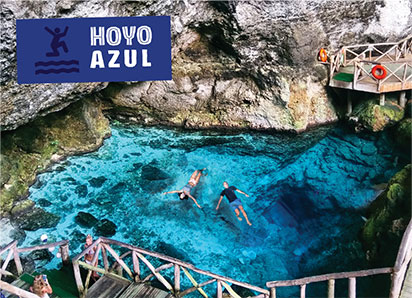
3. Visit Scape Park and Hoyo Azul
Scape Park in Cap Cana offers outdoor experiences in a natural setting, including access to the well-known Hoyo Azul attraction through applicable admission options.
Depending on the package and operating conditions, visitors may be able to enjoy a combination of nature and adventure activities.
This can be a useful alternative when the beach is less attractive, although outdoor activities still depend on the weather. Check current admission details, activity requirements, and transportation arrangements before visiting.
4. Take a Buggy Tour
An off-road buggy excursion offers a way to explore areas beyond the beachfront resorts.
Depending on the route, a tour may include countryside scenery, local stops, and a visit to a beach or other attraction. If the itinerary includes a coastal stop, confirm its current conditions rather than assuming it will be unaffected by sargassum.
Wear appropriate clothing and footwear, follow the guide’s safety instructions, and check the tour’s requirements before booking.
See our Buggies Tour in Punta Cana.
5. Discover Dominican Food and Culture
Use a beach-free afternoon to try Dominican dishes, explore local shops, or learn more about the country’s music and traditions.
You might sample traditional foods, visit a cultural attraction, or arrange a guided experience outside your resort.
When visiting local communities, support legitimate businesses, respect residents’ privacy, and ask permission before taking photographs of people.
6. Explore Santo Domingo on a Guided Excursion
If you have sufficient time, a trip to Santo Domingo can provide a contrast to Punta Cana’s resort atmosphere.
The capital’s Colonial City features historic architecture, museums, plazas, restaurants, and cultural attractions.
Because the journey from Punta Cana takes time, this is best planned as a full-day excursion rather than a quick beach alternative. Confirm the departure time, itinerary, and return arrangements before booking.
Discover our Santo Domingo City Tour.
7. Consider a Saona Island Excursion Carefully
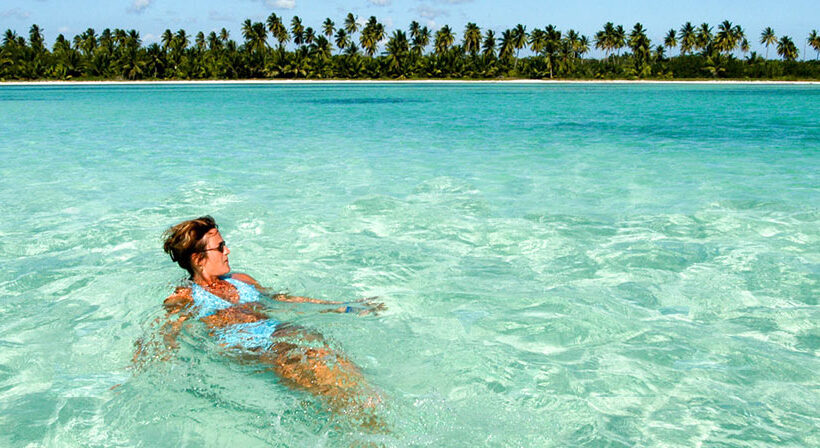
Saona Island is a popular excursion destination known for its beaches and coastal scenery.
However, it is not guaranteed to be free from sargassum. Conditions can vary along the coast and around the island, and the journey itself depends on sea conditions.
If you are considering Saona Island specifically to avoid seaweed at your resort, ask the operator about recent conditions and understand that the beach experience may change before your travel date.
Explore our Saona Island Tour and confirm the itinerary, transportation, inclusions, and weather-related cancellation policy before booking.
Should You Cancel Your Punta Cana Vacation Because of Sargassum?
Not necessarily. The decision depends on your priorities, the latest local conditions, and the flexibility of your travel arrangements.
If your main goal is to spend every day swimming in clear water directly in front of your hotel, substantial sargassum accumulations may affect your experience.
If you also enjoy pools, excursions, restaurants, nature attractions, and cultural activities, you may still have a rewarding vacation even if the beach is temporarily affected.
Before making a decision, consider the following questions:
- What are the current conditions at the specific resort you booked?
- Are the accumulations occasional or persistent?
- Does the hotel have alternative facilities you would enjoy?
- Can you visit other beaches if conditions differ?
- What are the cancellation or rebooking terms?
- Does your travel insurance cover the circumstances relevant to your decision?
Do not cancel based solely on a photograph or an old social media post. Equally, do not assume that a hotel will be free of seaweed simply because it advertises a beautiful beach.
Contact the property directly, review recent evidence, and read your booking terms before changing your plans.
How to Choose a Hotel When Sargassum Is a Concern
If you have not yet booked your trip, consider the whole vacation experience rather than evaluating a property exclusively by its beach.
Ask for Recent Beach Information
Request a current update about the beach directly in front of the hotel.
Ask whether there has been recent accumulation, what cleanup measures are used, and whether the hotel can share recent photographs.
Compare Resort Facilities
A property with pools, shaded relaxation areas, restaurants, sports, entertainment, and indoor facilities can provide alternatives when the beach is not ideal.
Families may prefer hotels with suitable children’s facilities, while couples may prioritize dining, spa services, or quieter relaxation areas.
Check the Beach’s Swimming Conditions
Sargassum is only one consideration. Wave conditions, currents, beach access, and local safety advice also affect whether a beach is suitable for swimming.
Ask the hotel about its usual swimming conditions and follow current warnings once you arrive.
Review the Location
Punta Cana includes several distinct coastal areas. Before booking, understand where the hotel is located and how practical it would be to reach alternative beaches or excursions.
A property may be marketed as being in Punta Cana even though it is some distance from the attractions you plan to visit.
Read Recent Reviews
Recent reviews can help you understand what guests experienced during similar travel dates.
Look for specific information about the beach and the date of the review. A general rating or a review from another season may not tell you much about current sargassum conditions.
Frequently Asked Questions About Sargassum in Punta Cana
What is sargassum in Punta Cana?
Sargassum is a type of floating brown macroalgae that can accumulate along the coast. In the open ocean it provides habitat for marine life, but large amounts washing ashore can affect beach conditions, produce unpleasant odors as it decomposes, and create environmental challenges.
When is sargassum season in Punta Cana?
Sargassum can arrive throughout the year, but significant arrivals in the Caribbean often occur during the warmer months. Timing and intensity vary from year to year, so check recent reports rather than relying only on seasonal averages.
Is there sargassum in Punta Cana right now?
Conditions change frequently and vary by beach. Check the latest available information from NOAA’s Sargassum Inundation Risk report, ask your hotel for recent photographs, and review local observations close to your travel date.
Which beaches in Punta Cana have the least sargassum?
There is no permanent list of beaches that are guaranteed to have little or no sargassum. Bávaro, Cabeza de Toro, Cap Cana, Juanillo, Uvero Alto, and Macao can experience different conditions. Check each location individually before traveling.
Is Punta Cana still worth visiting if there is seaweed?
It can be. Punta Cana offers resort facilities, pools, restaurants, adventure tours, cultural experiences, and nature attractions beyond its beaches. Whether a trip is worthwhile depends on your expectations and the severity of the current beach conditions.
Is it safe to swim when sargassum is present?
The presence of sargassum alone does not determine whether swimming is safe. Check local water and beach conditions, observe lifeguard warnings, and avoid swimming in areas with dangerous waves, currents, significant decomposing accumulations, or official advisories.
Can sargassum make you sick?
Large accumulations that decompose on the beach can release gases that may cause irritation, headaches, nausea, or respiratory discomfort under certain conditions. Move away from strong odors and seek medical advice if you experience significant or persistent symptoms.
Can hotels remove all the sargassum?
Hotels and authorized teams can remove some accumulated seaweed, but cleanup cannot guarantee a permanently clear beach. New sargassum may arrive with changing currents, winds, and waves.
Are catamaran trips affected by sargassum?
They can be. Sargassum may be present offshore as well as near the coast. Boat trips also depend on sea conditions, so ask the operator about the route, recent conditions, and cancellation policy before booking.
Can I visit Saona Island to avoid sargassum?
You can consider an organized Saona Island excursion, but it is not guaranteed to be free from seaweed. Check recent conditions and remember that the trip depends on boat schedules, weather, and sea conditions.
Can I predict sargassum several months in advance?
Regional monitoring can identify broad patterns and estimate coastal risk, but precise beach conditions several months ahead cannot be guaranteed. Recheck the situation closer to your departure date.
Should I choose a resort based on sargassum reports?
Recent reports are useful, but they should be one part of your decision. Also compare the resort’s facilities, swimming conditions, location, cancellation terms, and alternative activities.
Plan Your Punta Cana Vacation with Go Dominican Travel
Sargassum is an important consideration for visitors to Punta Cana, but it does not have to define your entire vacation.
The best approach is to stay informed, check conditions at the specific beach you plan to visit, and keep your itinerary flexible. If seaweed affects the shoreline, you may still be able to enjoy resort facilities, adventure activities, cultural experiences, and excursions around the Dominican Republic.
Go Dominican Travel helps visitors explore the country’s destinations and available experiences. Browse our tours and excursions, learn more about Punta Cana, or explore our destination guides to plan activities that suit your interests.
If you are already in Punta Cana, ask about current conditions and confirm the details of any excursion before booking. If you are planning a future trip, check monitoring reports and contact your hotel again shortly before departure.
With realistic expectations and a flexible plan, you can make a more informed decision about your Punta Cana vacation—even when sargassum is part of the picture.