Discovering Paradise: Samana, Dominican Republic - Your Guide to Serene Beaches and Natural Wonders
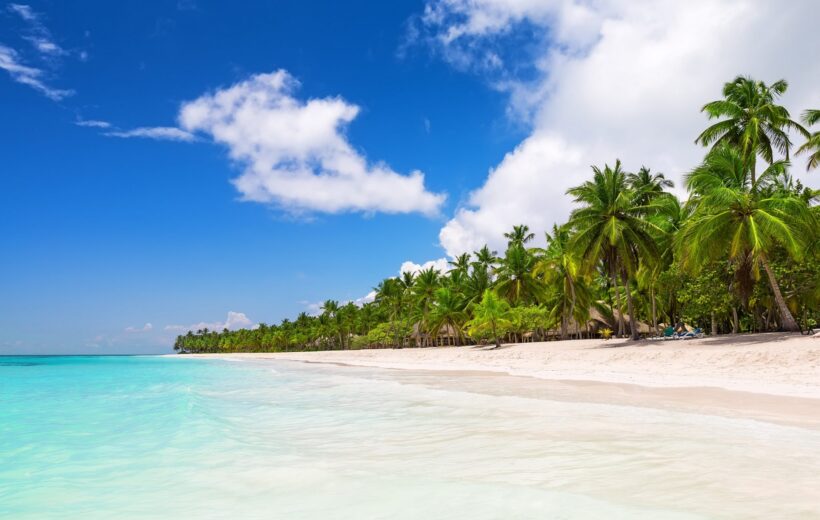
Samaná, Dominican Republic, is one of the Caribbean’s most beautiful destinations, known for its palm-fringed beaches, lush tropical forests, spectacular waterfalls, charming coastal towns, and extraordinary marine life. Located on the northeastern coast of the country, the Samaná Peninsula offers a different kind of Dominican Republic vacation, combining natural beauty, outdoor adventures, and authentic local experiences.
Unlike destinations dominated by large all-inclusive resorts, Samaná offers a more varied landscape of fishing villages, secluded beaches, green mountains, coconut plantations, and protected natural areas. Visitors can explore the lively coastal town of Las Terrenas, take a boat trip to Cayo Levantado, hike through tropical vegetation to El Limón Waterfall, or discover the mangroves and caves of Los Haitises National Park.
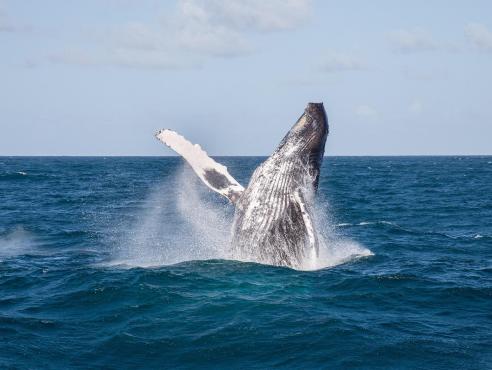
Samaná is also internationally known for its seasonal humpback whale migration. Every year, these magnificent marine mammals travel to the warm waters of Samaná Bay to breed and give birth, creating one of the Dominican Republic’s most memorable wildlife experiences.
Whether you are planning a romantic getaway, a family holiday, an adventure-filled road trip, or a relaxing beach vacation, Samaná offers something for every type of traveler.
In this complete Samaná travel guide, discover the best beaches, natural attractions, outdoor activities, local food, accommodation options, and practical tips to help you plan your visit.
Where Is Samaná in the Dominican Republic?
Samaná is located on the northeastern coast of the Dominican Republic. The name refers both to the province and to the peninsula that extends into the Atlantic Ocean.
The region is characterized by green mountains, tropical forests, coconut plantations, coastal cliffs, bays, and beaches. Its geography creates a variety of landscapes within a relatively compact region, although driving between individual towns and attractions can still take considerable time.
The main destinations in the area include Santa Bárbara de Samaná, Las Terrenas, Las Galeras, El Limón, and the surrounding coastal communities.
Samaná Bay is one of the region’s best-known natural features. Its protected waters provide an important seasonal habitat for humpback whales, while the surrounding coastline offers access to islands, beaches, and marine excursions.
How to Get to Samaná
Travelers can reach Samaná by road or air, depending on their starting point.
By car from Santo Domingo: The journey typically takes around 2.5–3 hours to parts of the peninsula, although the exact travel time depends on your destination, traffic, and road conditions.
By air: Samaná El Catey International Airport (AZS) serves the region. Check available flights and onward transportation when planning your trip.
From Punta Cana: Allow several hours for the journey by road. Travel time varies according to your hotel location and destination within Samaná.
From Puerto Plata: The journey involves traveling across the northern region and can take several hours. Check the route before departure.
Because the peninsula includes several distinct towns, choose your accommodation according to the attractions you want to visit rather than assuming that everything is nearby.
Why Visit Samaná?
Samaná is one of the Dominican Republic’s most appealing destinations for travelers who enjoy nature, beaches, wildlife, and outdoor activities.
Beautiful Beaches
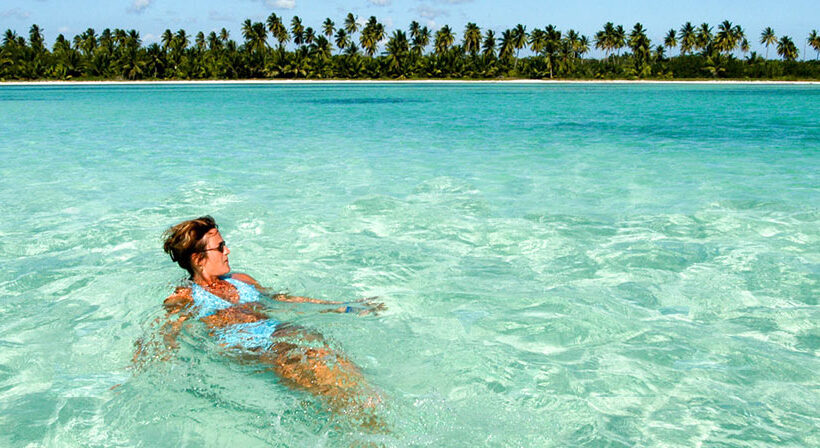
The peninsula has a wide variety of beaches, from popular coastal areas with restaurants and accommodation to more secluded stretches of sand surrounded by tropical vegetation.
Playa Rincón, Playa Bonita, Playa Cosón, and the beaches around Las Galeras and Las Terrenas are among the region’s most recognized coastal attractions.
Waterfalls and Tropical Forests
The region’s humid tropical environment supports lush vegetation, rivers, and waterfalls. El Limón Waterfall is one of the area’s most famous natural attractions and can be reached on foot or horseback along established routes.
Seasonal Whale Watching
Samaná Bay is one of the Dominican Republic’s best-known locations for observing humpback whales during their annual migration.
The season generally runs from January through March, although the exact timing and sightings vary each year.
Islands and Boat Excursions
Boat trips offer access to Cayo Levantado, coastal beaches, and other natural attractions. Depending on the excursion, visitors may also explore mangroves, caves, and other parts of the region’s protected marine and coastal environments.
Local Culture and Gastronomy
Samaná has a distinctive cultural identity influenced by Dominican traditions, fishing communities, agriculture, and historical migration.
Visitors can enjoy local seafood, coconut-based dishes, regional specialties, and the relaxed atmosphere of its coastal towns.
Best Things to Do in Samaná, Dominican Republic
From relaxing on the beach to exploring tropical forests and watching whales, Samaná offers experiences for travelers with different interests.
1. Visit El Limón Waterfall
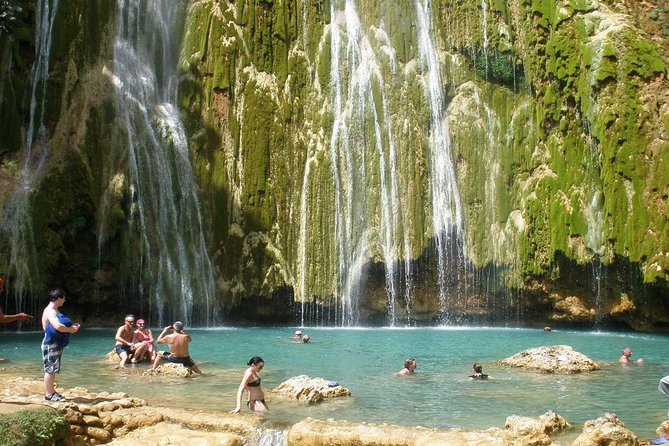
El Limón Waterfall, known locally as Salto El Limón, is one of the most famous natural attractions on the Samaná Peninsula.
The waterfall descends approximately 40 meters into a natural pool surrounded by tropical vegetation. Its setting, with green hills, forest trails, and flowing freshwater, makes it a highlight for visitors interested in nature.
Reaching the waterfall is part of the experience. The route typically involves a walk or horseback ride through tropical vegetation and uneven terrain. The journey is an opportunity to observe the local landscape and enjoy the area’s lush environment.
At the waterfall, visitors can admire the cascade, take photographs, and enjoy the natural surroundings. Swimming may be possible when conditions and local guidance permit, but water depth and safety conditions can vary.
Tips for visiting El Limón Waterfall:
- Wear comfortable shoes suitable for uneven and potentially muddy trails.
- Bring drinking water and insect repellent.
- Protect your phone and camera from water.
- Check weather conditions before setting out.
- Follow the instructions of local guides.
- Confirm the suitability of the route if traveling with young children or anyone with mobility limitations.
A guided excursion can make the visit easier by arranging transportation and helping you navigate the route.
For visitors who want to combine the waterfall with an island experience, explore our El Limón Waterfall and Bacardi Island excursion.
2. Go Whale Watching in Samaná Bay
Whale watching is one of the most memorable experiences available in Samaná during the annual humpback whale migration.
Each year, humpback whales travel from colder North Atlantic feeding grounds to the warmer waters of the Caribbean. Samaná Bay is an important breeding and calving area where whales can be observed during the season.
The main whale-watching period generally runs from January through March, with the exact timing and number of sightings varying from year to year.
Boat excursions provide opportunities to observe the animals from a respectful distance. Depending on the day, visitors may see whales surfacing, raising their tails, or breaching above the water.
However, whale sightings cannot be guaranteed. Wildlife encounters depend on natural behavior, weather, and sea conditions.
How to prepare for whale watching:
- Book with an authorized, responsible operator.
- Confirm the departure point and trip duration.
- Bring sunscreen, sunglasses, and a hat.
- Consider motion-sickness precautions if you are sensitive to boat movement.
- Follow the crew’s instructions.
- Never attempt to approach, touch, or swim with wild whales.
Whale watching is seasonal, so travelers visiting outside the migration period should focus on Samaná’s beaches, waterfalls, and other natural attractions.
3. Explore Cayo Levantado, Also Known as Bacardi Island
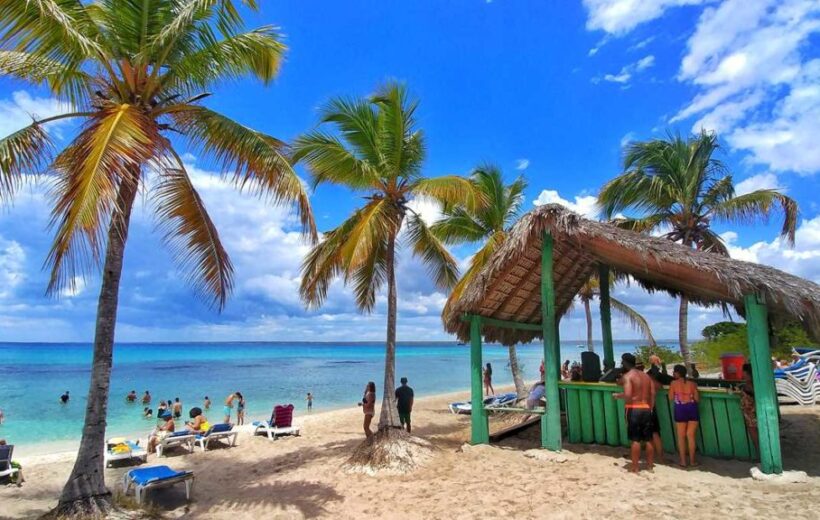
Cayo Levantado is a small island in Samaná Bay, known for its white sand, tropical vegetation, and beautiful coastal scenery.
The island is often called Bacardi Island, a nickname associated with its appearance in tourism imagery and advertising.
Visitors can reach Cayo Levantado by boat from the Samaná area. The island is a popular destination for travelers looking for a relaxing beach experience surrounded by Caribbean waters.
Depending on the access arrangements and excursion selected, visitors may enjoy beach time, meals, and other facilities.
Things to do on Cayo Levantado include:
- Relaxing on the beach.
- Swimming where conditions permit.
- Taking photographs of the tropical scenery.
- Enjoying local food and refreshments.
- Taking a boat trip across Samaná Bay.
Before visiting, check the current access arrangements, as available facilities and visitor rules may differ between public areas and privately managed sections.
Cayo Levantado is an excellent choice for travelers who want to combine a boat trip with a peaceful island setting.
4. Discover Playa Rincón
Playa Rincón, located near Las Galeras, is one of the most celebrated beaches on the Samaná Peninsula.
The beach is known for its long stretch of sand, green hills, tropical vegetation, and scenic coastline. Compared with some of the more developed resort beaches, Playa Rincón can offer a more natural and spacious environment.
Visitors come to enjoy the scenery, relax by the water, take photographs, and spend time in a beautiful coastal setting.
Facilities and services vary along the beach, so bring essentials if you plan to spend several hours there.
Before visiting Playa Rincón:
- Check road and transport conditions.
- Confirm the availability of local restaurants or services.
- Bring sun protection and drinking water.
- Pay attention to waves and currents.
- Follow local swimming advice.
The beach is especially appealing to travelers who want to explore beyond the main resort areas.
5. Explore Las Terrenas
Las Terrenas is one of the most popular towns on the Samaná Peninsula. It combines beautiful beaches with restaurants, cafés, boutique hotels, local shops, and a lively international atmosphere.
The town has developed a distinctive character shaped by Dominican culture and a diverse community of residents and visitors.
Las Terrenas is a convenient base for travelers who want beach access while enjoying a wider selection of dining and accommodation options.
Best things to do in Las Terrenas:
- Visit Playa Bonita.
- Enjoy Playa Cosón.
- Explore Playa Las Ballenas.
- Walk through the town and browse local shops.
- Enjoy seafood and international cuisine.
- Arrange surfing or other water activities when conditions permit.
- Take an excursion to El Limón Waterfall.
- Discover the surrounding countryside.
Las Terrenas is suitable for couples, independent travelers, families, and visitors planning a longer stay on the peninsula.
Read our destination guides to other parts of the Dominican Republic to plan a wider itinerary.
6. Visit Playa Bonita
Playa Bonita is a beautiful coastal area near Las Terrenas, known for its sandy shoreline, palm trees, and relaxed atmosphere.
The beach is popular with travelers seeking a scenic place to swim when conditions are safe, walk along the coast, or enjoy a meal at a nearby restaurant.
Depending on sea conditions, some areas may be more suitable for swimming or water sports than others.
Playa Bonita is a good choice for travelers who want to enjoy Samaná’s beaches without traveling to the more remote parts of the peninsula.
7. Discover Playa Cosón
Playa Cosón is a long beach near Las Terrenas, recognized for its wide sandy shoreline, coconut palms, and scenic surroundings.
The beach offers plenty of space for walking, taking photographs, and enjoying the natural landscape.
Conditions can vary along the coast, and some sections may experience strong waves or currents. Always check local advice before swimming.
Playa Cosón is particularly attractive to travelers who prefer expansive beaches and a less urbanized coastal environment.
8. Explore Las Galeras
Las Galeras is a small coastal community at the eastern end of the Samaná Peninsula. It is known for its beaches, fishing traditions, and access to beautiful coastal scenery.
Compared with Las Terrenas, Las Galeras often feels quieter and more village-oriented, although visitor numbers can increase during busy travel periods.
It is a good base for exploring Playa Rincón and arranging selected boat excursions to beaches and coastal areas that are difficult to reach by road.
Visitors can enjoy local restaurants, beach walks, and the slower pace of a traditional coastal community.
9. Visit Los Haitises National Park
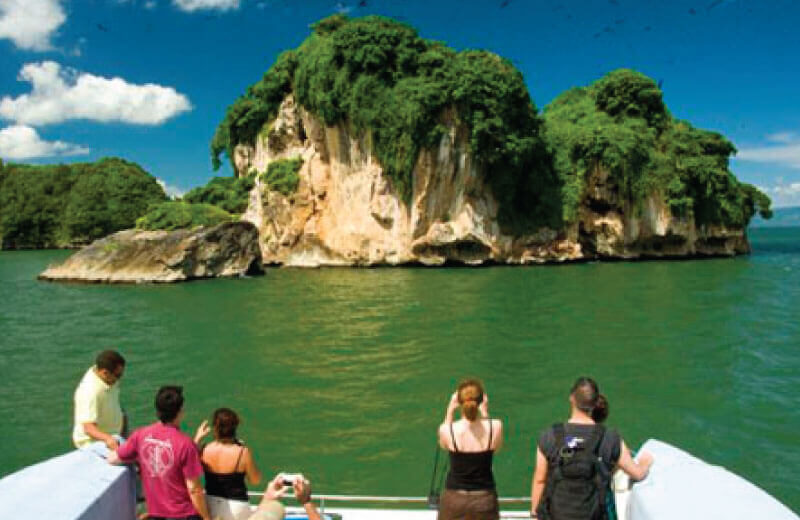
Los Haitises National Park is one of the Dominican Republic’s most distinctive protected natural areas. Located across the wider Samaná Bay region, it is known for limestone hills, mangroves, caves, and rich biodiversity.
The park’s landscape includes dramatic karst formations rising from wetlands and coastal waters. Mangroves provide important habitat for birds and other wildlife, while some caves contain archaeological evidence associated with the Indigenous Taíno people.
Many visitors explore Los Haitises on guided boat excursions, which may include mangrove channels, cave visits, and opportunities to observe the surrounding environment.
Activities and routes depend on the operator, current access rules, and weather conditions.
What to know before visiting Los Haitises:
- Choose an authorized excursion.
- Confirm the departure point, which may be outside Samaná town.
- Bring sun protection and drinking water.
- Wear comfortable clothing suitable for a boat trip.
- Follow rules protecting wildlife and archaeological sites.
- Avoid touching cave paintings or removing natural objects.
Los Haitises is especially appealing to travelers interested in ecology, photography, birdwatching, and Dominican natural history.
10. Take a Boat Trip Around Samaná Bay
Samaná Bay is one of the region’s defining geographical features. Surrounded by green hills and coastal communities, it offers opportunities for sightseeing and marine excursions.
Depending on the trip, visitors may travel toward Cayo Levantado, observe coastal scenery, or explore selected natural attractions.
Boat excursions can be an excellent way to appreciate the scale and beauty of the bay, especially for visitors who enjoy being on the water.
Before booking, check the boat type, trip duration, included stops, and whether refreshments or meals are provided.
Sea conditions can affect the route, and itineraries may change for safety reasons.
11. Go Snorkeling and Explore Marine Life
The waters around parts of the Samaná Peninsula offer opportunities for snorkeling and other marine activities.
Depending on the location, conditions, and operator, visitors may observe tropical fish and marine habitats.
Snorkeling is best enjoyed when water visibility, currents, and weather are suitable.
For a responsible experience:
- Use properly fitting equipment.
- Follow the guide’s safety briefing.
- Avoid touching or standing on coral.
- Never chase or feed marine animals.
- Wear a flotation aid if needed.
- Avoid entering the water in unsafe conditions.
If you are new to snorkeling, choose an organized excursion that provides instruction and appropriate equipment.
12. Enjoy Horseback Riding in the Countryside
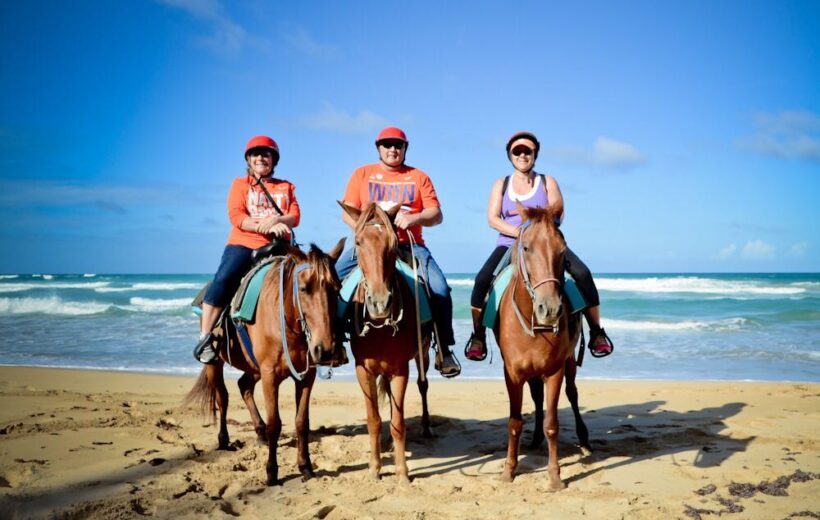
Horseback riding is available through some local operators in the Samaná region, including routes associated with El Limón Waterfall.
These experiences can provide a different perspective on the countryside, passing through vegetation, rural landscapes, and established trails.
Before booking, ask about the route, duration, horse welfare practices, equipment, and whether the experience is suitable for your riding ability.
If you prefer not to ride, check whether a walking route is available.
13. Discover Local Culture and Samaná Town
Santa Bárbara de Samaná, often simply called Samaná, is the province’s main town and an important hub for local life and tourism.
Its waterfront, shops, restaurants, and access to boat excursions make it a convenient stop for visitors exploring the region.
Spend time walking around town, enjoying local food, and observing daily life along the bay.
Samaná’s cultural identity reflects Dominican traditions as well as historical influences from different communities that settled in the region.
Visitors interested in history can look for local museums or cultural attractions and confirm current opening hours before visiting.
14. Try Local Food and Seafood
Food is an important part of a visit to Samaná. The region’s coastal communities have strong fishing traditions, while local cuisine reflects the wider culinary heritage of the Dominican Republic.
Visitors can enjoy freshly prepared seafood, fish dishes, coconut-based recipes, rice, plantains, and tropical fruit.
One regional specialty to look for is pescado con coco, a fish dish prepared with coconut sauce. Recipes vary between restaurants and households.
Other dishes you may encounter include:
- Fried or grilled fish.
- Shrimp and other seafood.
- Rice and beans.
- Tostones.
- Fresh fruit juices.
- Traditional Dominican stews.
- Coconut-based desserts.
Try local restaurants and small food businesses to experience the region’s flavors and support the community.
15. Enjoy Photography and Scenic Viewpoints
Samaná’s combination of mountains, beaches, tropical vegetation, and coastal communities makes it a rewarding destination for photography.
Visitors can capture landscapes along the coastline, boats in the bay, palm trees, waterfalls, and the changing light over the sea.
Early mornings and late afternoons can offer softer light, although weather and cloud cover vary.
When photographing people, ask permission where appropriate. At wildlife sites, maintain a respectful distance and never disturb animals for a better picture.
Best Beaches in Samaná
The Samaná Peninsula has many beaches, each with a different character. Some are close to towns and restaurants, while others require a longer drive, a boat trip, or a walk.
Playa Rincón
A scenic beach near Las Galeras, known for its long shoreline and natural surroundings.
Playa Bonita
A popular beach near Las Terrenas, appreciated for its beautiful scenery and access to nearby restaurants and accommodation.
Playa Cosón
A broad coastal beach near Las Terrenas, ideal for walks and enjoying the landscape.
Playa Las Ballenas
A beach near Las Terrenas with access to local accommodation and services. Conditions vary along the shore.
Playa Frontón
A striking coastal area near Las Galeras, known for its dramatic scenery and surrounding rock formations. Access and sea conditions should be checked before visiting.
Playa El Valle
A beach in a more rural setting, surrounded by green hills and tropical vegetation. It appeals to travelers looking for a less urbanized coastal experience.
Beach safety tip: Not every beach is suitable for swimming every day. Waves, currents, weather, and local conditions can change. Follow local advice and avoid entering rough water.
Whale Watching in Samaná: When to Go
Whale watching is one of Samaná’s best-known seasonal activities.
Humpback whales migrate to the waters around the Dominican Republic during the northern winter. Samaná Bay is an important area for their breeding and calving activity.
Whale-Watching Season
The season generally runs from January through March, although the exact dates and number of sightings vary from year to year.
February is often a popular month for visitors hoping to observe the whales, but no particular date guarantees a sighting.
What Happens on a Whale-Watching Excursion?
A typical excursion involves traveling by boat into designated areas of the bay where whales may be observed.
The crew provides instructions and manages the trip according to applicable wildlife-protection rules and sea conditions.
Depending on the tour, whale watching may be combined with a visit to Cayo Levantado or other attractions.
Tips for a Better Experience
- Book with a responsible, authorized operator.
- Arrive at the meeting point on time.
- Bring a hat, sunscreen, and water.
- Consider motion-sickness precautions.
- Follow instructions about wildlife distances.
- Be patient, as whale behavior is unpredictable.
Whale watching is a natural experience rather than a staged performance. The most important priority is observing the animals without disturbing them.
Best Time to Visit Samaná
Samaná can be visited throughout the year. The ideal time depends on your interests, budget, and preferred activities.
December to April
This is a popular period for visiting the Dominican Republic, with many travelers choosing these months for beach holidays and outdoor activities.
It also overlaps with the humpback whale season, generally January through March.
May to August
The warmer months can be suitable for beaches, hiking, and sightseeing. Rain showers may affect outdoor activities, so maintain some flexibility in your schedule.
September to November
Weather conditions can be more variable during this period, and tropical storms may affect travel plans.
Check forecasts before setting out, particularly if you are planning boat trips or visiting remote areas.
What About Sargassum?
Sargassum is floating seaweed that can accumulate along some Caribbean coastlines. The amount varies by location, wind, currents, and season.
Its presence cannot be reliably predicted far in advance for an individual beach. Check recent local conditions if beach appearance is important to your plans.
Where to Stay in Samaná
Samaná offers different accommodation options, including hotels, guesthouses, apartments, villas, beachfront properties, and nature-focused retreats.
Choosing the right base can make your trip easier because the peninsula’s attractions are spread across several towns.
Stay in Santa Bárbara de Samaná
The provincial capital is a practical base for visitors interested in Samaná Bay, boat excursions, and whale watching during the season.
It also provides access to restaurants, shops, and local services.
Stay in Las Terrenas
Las Terrenas is a good choice for travelers who want a combination of beaches, dining, accommodation, and a lively town atmosphere.
It is particularly suitable for visitors planning several days of beach time and excursions around the peninsula.
Stay in Las Galeras
Las Galeras is appealing to travelers who prefer a quieter coastal community and want to explore beaches such as Playa Rincón and other attractions near the eastern end of the peninsula.
Stay Near El Limón
Accommodation in the wider El Limón area can be convenient for visitors interested in the waterfall and the surrounding countryside.
Availability and facilities vary, so confirm transportation, meals, and road access before booking.
How Many Days Should You Spend in Samaná?
A stay of three to five days is a useful starting point for exploring several of the peninsula’s main attractions.
One or Two Days
A short visit can focus on one main area, such as Las Terrenas or Samaná town, with time for a beach visit or one organized excursion.
Travelers arriving from another region should consider the journey time when planning activities.
Three Days
Three days can provide time to explore a beach, visit El Limón Waterfall, and take a boat excursion.
During whale season, you could substitute or add a whale-watching trip, depending on availability and your schedule.
Four or Five Days
A longer stay allows you to explore multiple parts of the peninsula without rushing.
You might combine Las Terrenas, El Limón Waterfall, Samaná Bay, Cayo Levantado, and a visit to Las Galeras or Playa Rincón.
Longer Stays
Travelers who enjoy hiking, photography, independent exploration, and quieter beaches may want to stay longer.
Allow enough time for road journeys between towns and avoid assuming that every attraction can be reached quickly.
Suggested Three-Day Samaná Itinerary
Day 1: Las Terrenas and the Beaches
Arrive and check into your accommodation. Spend the day exploring Las Terrenas and nearby beaches such as Playa Bonita or Playa Cosón.
Enjoy a meal at a local restaurant and take time to explore the town.
Day 2: El Limón Waterfall
Visit El Limón Waterfall with an appropriate guide or organized excursion.
Allow time for the trail or horseback ride, the waterfall, and the return journey. In the evening, enjoy a relaxed dinner and prepare for the following day’s activities.
Day 3: Samaná Bay or Cayo Levantado
Take a boat excursion to Cayo Levantado or explore another part of Samaná Bay.
If you visit during whale season, consider a responsible whale-watching excursion instead, or choose a tour that combines activities where available.
This itinerary is only a planning example. The best order depends on your accommodation, weather, boat schedules, and the time of year.
Suggested Five-Day Samaná Itinerary
If you have five days, you can explore more of the peninsula at a comfortable pace.
Day 1: Arrive in Samaná and explore the town or waterfront.
Day 2: Take a boat trip to Cayo Levantado or another suitable coastal attraction.
Day 3: Visit El Limón Waterfall.
Day 4: Explore Las Terrenas and its beaches.
Day 5: Visit Las Galeras or Playa Rincón, depending on your base and transport arrangements.
During whale season, include a whale-watching excursion and adjust the remaining activities to fit your schedule.
How to Get Around Samaná
The best transportation option depends on where you stay and how many attractions you want to visit.
Rental Car
A rental car provides flexibility for exploring different towns and beaches. It can be especially useful if you want to visit several parts of the peninsula.
However, driving times, parking, and road conditions should be considered when planning your route.
Private Transportation
Private transfers can simplify travel between the airport, accommodation, and individual attractions.
This option may suit families, groups, and travelers who prefer not to drive in an unfamiliar destination.
Organized Excursions
Organized tours can be convenient for attractions that require boat transportation, local guides, or specialist arrangements.
Check whether hotel pickup is included, where the excursion departs from, and what the price covers.
Local Transportation
Local transportation options vary by town and route. For trips to remote beaches or natural attractions, confirm availability and the return journey before leaving.
What to Pack for Samaná
Samaná’s tropical climate means lightweight clothing is useful throughout the year, but your packing list should reflect your planned activities.
Recommended items include:
- Lightweight clothing.
- Swimwear.
- Comfortable walking shoes.
- Sandals.
- Sunscreen and sunglasses.
- A hat or cap.
- Insect repellent.
- A reusable water bottle.
- A light rain jacket.
- A waterproof bag for boat trips.
- Personal medication.
- A camera or phone for photographs.
For waterfall hikes, bring footwear suitable for uneven and potentially muddy trails.
For whale watching or other boat excursions, consider a light windbreaker and motion-sickness precautions if needed.
Responsible Tourism in Samaná
Samaná’s beaches, forests, marine habitats, and wildlife are among its greatest attractions. Responsible tourism helps preserve these natural assets and supports local communities.
Visitors can help protect the region by following a few simple principles.
Respect marine wildlife. Keep a safe distance from whales, turtles, and other animals, and follow the instructions of authorized guides.
Protect beaches. Take rubbish with you and avoid disturbing nesting areas or coastal vegetation.
Respect forests and waterfalls. Stay on established trails and follow local safety guidance.
Support local businesses. Consider dining at local restaurants, purchasing regional products, and booking legitimate guides.
Respect communities. Ask permission before photographing people and be considerate of local customs.
Choose responsible excursions. Look for operators that follow safety rules and environmental regulations.
Small actions can make a meaningful difference in preserving Samaná’s natural beauty.
Frequently Asked Questions About Samaná, Dominican Republic
What is Samaná famous for?
Samaná is famous for its beautiful beaches, El Limón Waterfall, Cayo Levantado, Los Haitises National Park, tropical landscapes, and seasonal humpback whale watching.
Where is Samaná located?
Samaná is located on the northeastern coast of the Dominican Republic. The region includes Samaná Bay, the town of Santa Bárbara de Samaná, Las Terrenas, Las Galeras, and other coastal communities.
When is whale-watching season in Samaná?
Humpback whale watching generally takes place from January through March. The exact timing and sightings vary each year, and encounters cannot be guaranteed.
What are the best beaches in Samaná?
Popular beaches include Playa Rincón, Playa Bonita, Playa Cosón, Playa Las Ballenas, Playa Frontón, and Playa El Valle. Conditions and access vary by location.
Can you visit El Limón Waterfall without a guide?
Access arrangements vary. Visitors commonly reach the waterfall by walking or horseback riding along established routes. Check local conditions and available guidance before visiting.
How many days should I spend in Samaná?
Three to five days is a good starting point for exploring the main attractions. Longer stays allow more time for beaches, hiking, boat trips, and smaller coastal communities.
Is Samaná suitable for families?
Yes. Many beaches, boat trips, and nature excursions can suit families, but the suitability depends on children’s ages, swimming abilities, and the specific activity. Confirm safety equipment, transport arrangements, and walking requirements before booking.
Is Samaná better than Punta Cana?
The destinations offer different experiences. Punta Cana is known for its resort infrastructure and broad selection of organized activities, while Samaná is especially appealing for nature, waterfalls, coastal villages, and seasonal whale watching. The best choice depends on your travel preferences.
Can I visit Samaná on a day trip from Punta Cana?
It may be possible to arrange a long excursion, but the journey can take several hours each way. An overnight stay is usually more practical if you want to explore several attractions.
What is the best time to visit Samaná?
Samaná can be visited throughout the year. January through March is especially popular for whale watching, while other months offer opportunities for beaches, waterfalls, and nature excursions.
Is Cayo Levantado the same as Bacardi Island?
Yes. Cayo Levantado is commonly known as Bacardi Island, a nickname used in tourism.
What should I bring for a Samaná excursion?
Bring sunscreen, water, comfortable clothing, suitable footwear, and any personal medication you need. For boat trips, a waterproof bag and light windbreaker can be useful.
Plan Your Samaná Adventure With Go Dominican Travel
Samaná is a destination where tropical beaches, lush mountains, waterfalls, and wildlife come together to create a memorable Caribbean experience.
From watching humpback whales in season to exploring El Limón Waterfall, relaxing on Cayo Levantado, or discovering the beaches of Las Terrenas and Las Galeras, the peninsula offers countless ways to experience the natural beauty of the Dominican Republic.
Whether you are planning a short visit or a longer stay, choose the experiences that match your interests and allow enough time to explore without rushing.
Discover our El Limón Waterfall and Bacardi Island excursion, browse our available excursions and tours, and explore our Dominican Republic destination guides to plan your next adventure.
Discover Samaná with Go Dominican Travel and experience the beaches, waterfalls, wildlife, and authentic charm of the Dominican Republic.
Excursions from Samana