Barahona, Dominican Republic: Discover the Pearl of the South
Barahona, Dominican Republic, is one of the country’s most captivating destinations for travelers who want to experience a different side of the Caribbean. Located along the southwestern coast, this beautiful region is known for its dramatic mountains, crystal-clear rivers, rocky beaches, tropical vegetation, and authentic Dominican atmosphere.
Often called the Pearl of the South, Barahona offers a remarkable combination of natural attractions and cultural experiences. Visitors can swim in refreshing freshwater pools, explore coastal landscapes, discover local communities, taste traditional Dominican food, and enjoy scenic drives through some of the country’s most beautiful countryside.
Unlike the major resort destinations of Punta Cana and Bávaro, Barahona is especially appealing to travelers interested in nature, adventure, photography, and exploring destinations beyond the traditional all-inclusive vacation.
From the refreshing waters of Los Patos to the waterfalls of San Rafael, the scenic coastline near Paraíso, and the coffee-growing areas of the Sierra de Bahoruco, there is plenty to discover throughout the region.
Whether you are planning a weekend getaway, a road trip through southern Dominican Republic, or a longer eco-adventure, Barahona deserves a place on your itinerary.
Where Is Barahona in the Dominican Republic?
Barahona is located in the southwestern part of the Dominican Republic, along the Caribbean coast. The province combines coastal communities, mountain landscapes, rivers, agricultural areas, and natural attractions.
The city of Santa Cruz de Barahona serves as an important base for exploring the surrounding region. From here, visitors can travel along the coastal highway to beaches, rivers, small towns, and scenic viewpoints.
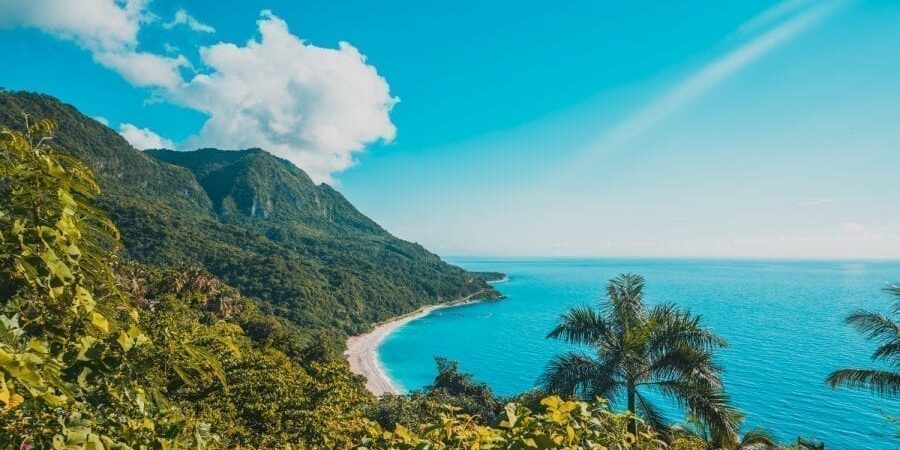
The area’s geography is one of its greatest attractions. Mountains rise close to the coastline, freshwater rivers descend toward the sea, and different landscapes appear along the same journey.
Barahona is also a useful starting point for exploring parts of the wider southwestern region, including destinations toward Pedernales. However, attractions across the southwest are spread out, so visitors should plan driving times carefully.
How Far Is Barahona from Santo Domingo?
Barahona is approximately a three-hour drive from Santo Domingo under favorable road conditions, although the actual journey can take longer depending on traffic, departure point, stops, and road conditions.
Travelers arriving at Las Américas International Airport may need additional time to leave the airport area and begin the journey westward.
If you are planning a visit, consider arranging transportation in advance, especially if you are traveling with family, luggage, or a group.
A private transfer can be a convenient option for travelers who prefer not to drive themselves. Alternatively, renting a car offers flexibility for visiting multiple attractions along the coast.
Why Visit Barahona?
Barahona offers a different experience from the Dominican Republic’s larger resort destinations. Instead of focusing primarily on large hotels and organized resort entertainment, the region invites visitors to discover its natural surroundings and local culture.
Here are some of the main reasons to visit.
1. Beautiful Natural Landscapes
The region features a striking combination of mountains, beaches, rivers, valleys, and coastal viewpoints. These contrasting landscapes make Barahona particularly attractive to photographers and outdoor enthusiasts.
2. Refreshing Rivers and Waterfalls
Barahona is famous for natural swimming areas where freshwater flows from the mountains toward the Caribbean Sea. Los Patos and San Rafael are two of the best-known places to experience this landscape.
3. Beaches Away from the Main Resort Areas
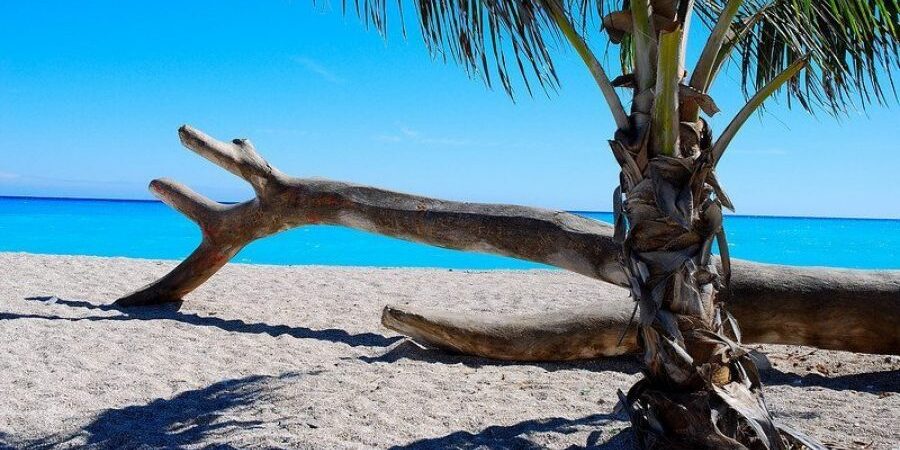
Many beaches in the region have a more natural appearance than those found in major resort zones. Some feature pebbles and rocky shorelines rather than extensive stretches of fine sand.
These beaches are worth visiting for their scenery, although water conditions vary and some locations may have strong waves or currents.
4. Authentic Dominican Culture
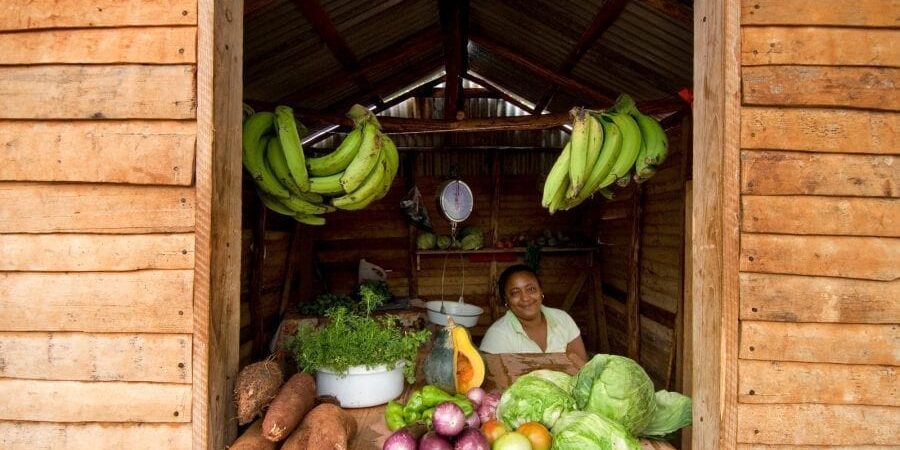
Visitors can explore local towns, eat at small restaurants, discover regional products, and experience everyday life outside the main tourist centers.
5. Ecotourism and Outdoor Adventures
The wider region offers opportunities for scenic drives, nature excursions, hiking in suitable areas, exploring coffee-growing communities, and discovering protected natural landscapes.
For travelers who enjoy exploring at their own pace, Barahona offers a rewarding alternative to a conventional beach vacation.
Best Things to Do in Barahona, Dominican Republic
There are many ways to experience Barahona, from relaxing beside a river to exploring the coastline and discovering the region’s cultural heritage.
The following attractions are among the highlights to consider when planning your trip.
1. Visit Los Patos River and Beach
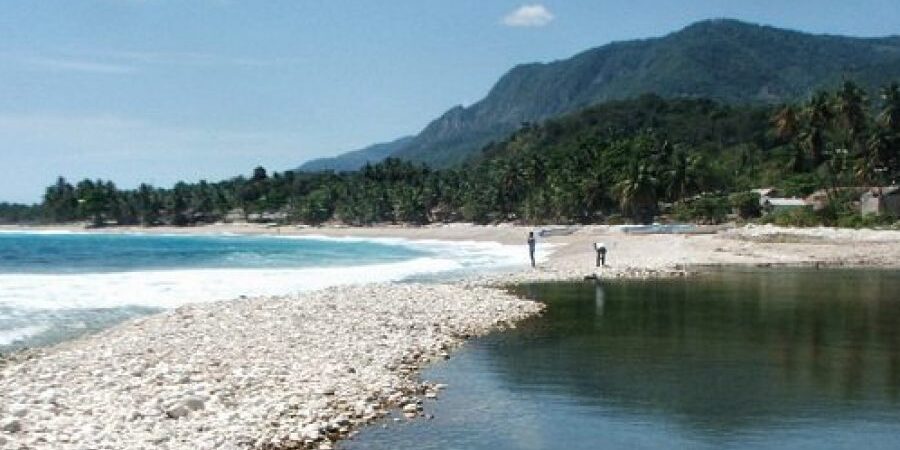
Los Patos is one of Barahona’s best-known natural attractions. The area is famous for its short freshwater river, which flows toward the Caribbean Sea and creates a natural swimming area near the beach.
The contrast between the cool river water and the surrounding coastal landscape makes Los Patos a memorable stop during a trip along the southern coast.
Visitors can enjoy the river, observe the surrounding scenery, and visit nearby food stalls and local businesses.
What Makes Los Patos Special?
Los Patos combines a freshwater swimming area with a coastal environment. The river is widely known as one of the shortest in the Dominican Republic, and its proximity to the sea creates a distinctive landscape.
It is a popular place for both residents and visitors, particularly during weekends and holidays.
Things to Do at Los Patos
- Enjoy the natural freshwater pool when conditions are suitable.
- Walk around the river and nearby beach.
- Take photographs of the river meeting the sea.
- Try local Dominican food from nearby vendors.
- Include the stop in a coastal road trip through Barahona.
The nearby beach is generally rocky or covered with pebbles rather than soft white sand. Conditions in the sea can also differ from those in the river.
Travel tip: Bring suitable footwear, drinking water, sun protection, and a change of clothes. Always assess the river and sea conditions before swimming, and follow local guidance.
2. Explore San Rafael Beach and Waterfall
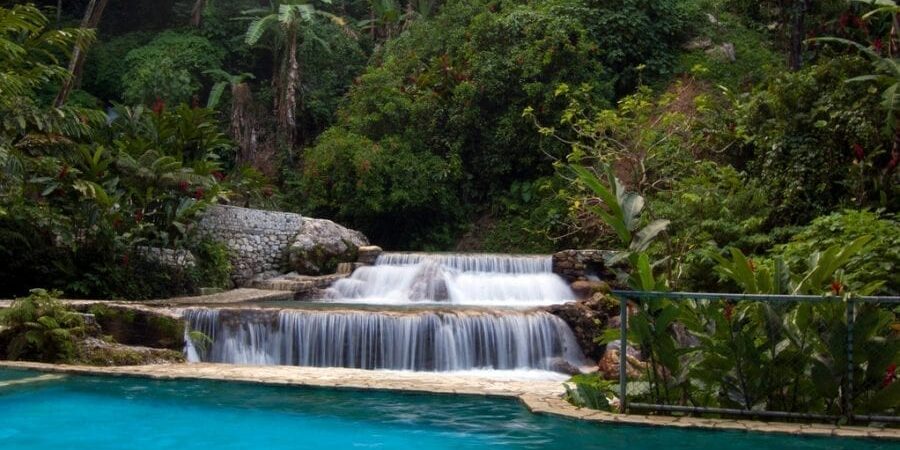
San Rafael is another iconic destination in Barahona. It combines a pebble beach, a freshwater river, natural pools, and cascading water against a backdrop of green mountains.
The setting makes San Rafael one of the region’s most recognizable natural attractions.
Visitors can admire the river as it descends toward the coast, enjoy the scenery, and stop at local food establishments in the area.
What to Expect at San Rafael
San Rafael offers a combination of freshwater and coastal scenery. The river creates pools and cascades before reaching the Caribbean Sea, producing an interesting contrast between the cool inland water and the waves along the shore.
The beach is known for its stones and pebbles, so it is different from the sandy beaches found in many Dominican resort areas.
Things to Do at San Rafael
- Photograph the river and cascades.
- Explore the natural pools when access and conditions permit.
- Enjoy views of the surrounding mountains.
- Sample Dominican seafood and other local dishes.
- Continue along the scenic coastal highway toward nearby communities.
The sea at San Rafael can have strong waves, so visitors should not assume that the beach is suitable for swimming simply because the nearby river pools look calm.
Safety tip: Follow local instructions, supervise children closely near the water, and avoid entering areas with strong currents or unsafe conditions.
3. Relax at Playa El Quemaito
Playa El Quemaito, also written as Playa Quemaíto, is a coastal attraction near Barahona known for its blue water and distinctive pebble shoreline.
It is a good place to include in a road trip along the coast, especially if you want to discover beaches outside the major resort areas.
The scenery, coastal atmosphere, and nearby communities make the beach appealing to travelers who enjoy exploring less commercialized destinations.
What to Do at Playa El Quemaito
Visitors can enjoy the coastal views, relax beside the water, take photographs, and explore nearby areas.
Before swimming, check the conditions on the day of your visit. Water depth, currents, waves, and beach access can vary.
As with other beaches in the region, bringing water, sun protection, and appropriate footwear can make the visit more comfortable.
4. Discover Playa Bahoruco
Playa Bahoruco is another coastal destination in the Barahona area. The beach is known for its natural setting and waves, which can attract surfers when conditions are appropriate.
It offers a different atmosphere from beaches designed primarily for resort swimming.
Visitors who enjoy coastal photography and exploring the southern coastline may find it a worthwhile stop.
Is Playa Bahoruco Good for Swimming?
Swimming conditions depend on the weather, waves, currents, and the specific part of the beach. Some coastal locations in this area can experience powerful surf.
If you are unfamiliar with the area, ask local residents about conditions and avoid swimming when waves or currents appear dangerous.
Travelers interested in surfing should check local conditions and seek guidance from knowledgeable people before entering the water.
5. Visit Villa Miriam Natural Pools
Villa Miriam is associated with the freshwater environment of the San Rafael River and is known for natural pools surrounded by tropical vegetation.
It is an option for travelers interested in relaxing in a river setting while exploring the Barahona coast.
Access arrangements, facilities, operating conditions, and any entrance charges may change. Confirm the current details before visiting.
What to Know Before You Go
- Ask about access and any applicable entrance fee.
- Bring suitable footwear for wet or uneven surfaces.
- Check whether food and drinks are available.
- Follow safety instructions around the pools and river.
- Respect the natural surroundings and dispose of waste properly.
Villa Miriam can complement a visit to San Rafael, but it is best to verify current access arrangements and allow enough time to enjoy the area without rushing.
6. Enjoy the Coastal Views Along the Barahona–Enriquillo Highway
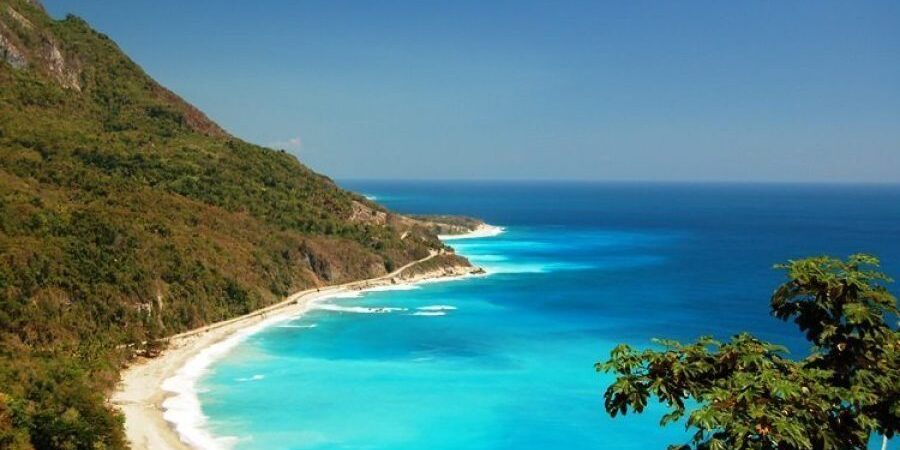
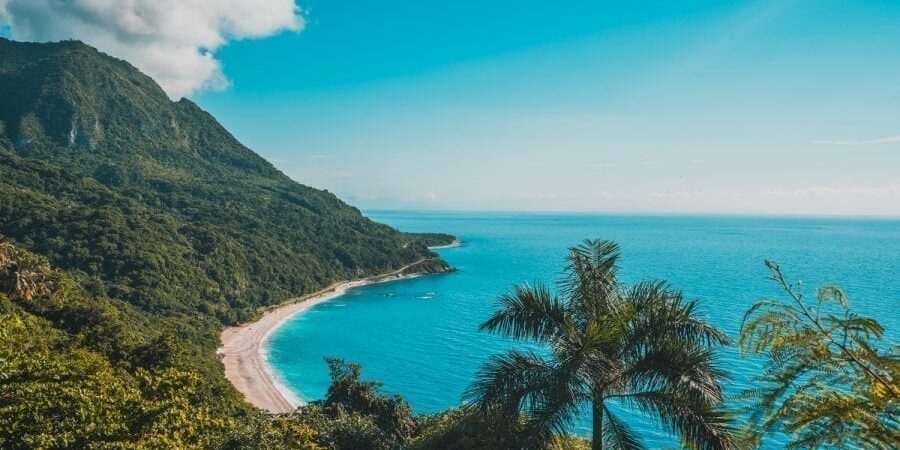
The coastal highway south of Barahona is one of the region’s memorable driving routes. It passes dramatic landscapes where mountains meet the Caribbean Sea, with beaches, small communities, and scenic viewpoints along the way.
The drive is an attraction in its own right, especially for travelers who enjoy road trips and photography.
Highlights of a Coastal Road Trip
Depending on your route and available time, you may be able to stop at:
- Playa El Quemaito.
- San Rafael.
- Paraíso.
- Los Patos.
- Other coastal viewpoints and local communities.
The best approach is to plan several stops rather than trying to visit every attraction in a single rushed journey.
Some locations are better suited to a short photo stop, while others may deserve an hour or more.
Driving tip: Avoid stopping in unsafe roadside locations for photographs. Park only where it is safe and permitted, and allow extra time for winding roads and changing traffic conditions.
7. Explore the Town of Barahona
Although many visitors come for the region’s natural attractions, the city of Barahona is also worth exploring.
The city provides a useful base for finding accommodation, restaurants, shops, and services before traveling to surrounding beaches and rivers.
Visitors interested in local culture can explore the central area and look for historic buildings, public spaces, and local businesses.
What to See in the City
Depending on your interests and available time, consider:
- The historic downtown area.
- The local cathedral.
- The Clock Tower and surrounding civic area.
- Parque Litoral María Montez.
- Local restaurants and cafés.
- Markets and shops selling regional products.
Walking through the city can provide a different perspective on Dominican life than staying exclusively at a beach resort.
Opening hours and access to individual attractions may vary, so confirm details before planning a visit around a specific site.
8. Discover Dominican Coffee in the Sierra de Bahoruco
The mountains around Barahona are associated with coffee production and agricultural communities.
Travelers interested in food and local traditions can look into visiting coffee-growing areas and learning how coffee is cultivated and prepared.
The experience can offer insight into the region’s relationship with its landscape and agricultural heritage.
Why Include Coffee in Your Barahona Itinerary?
Coffee experiences can complement a coastal visit by introducing a different environment and pace of travel.
Depending on the location and arrangements available, a visit may include:
- Scenic mountain drives.
- Views of agricultural landscapes.
- Opportunities to learn about coffee production.
- Visits to local producers.
- Tastings or purchases of locally produced coffee.
Not every plantation or producer offers public tours, so arrange visits in advance rather than assuming that every agricultural property is open to visitors.
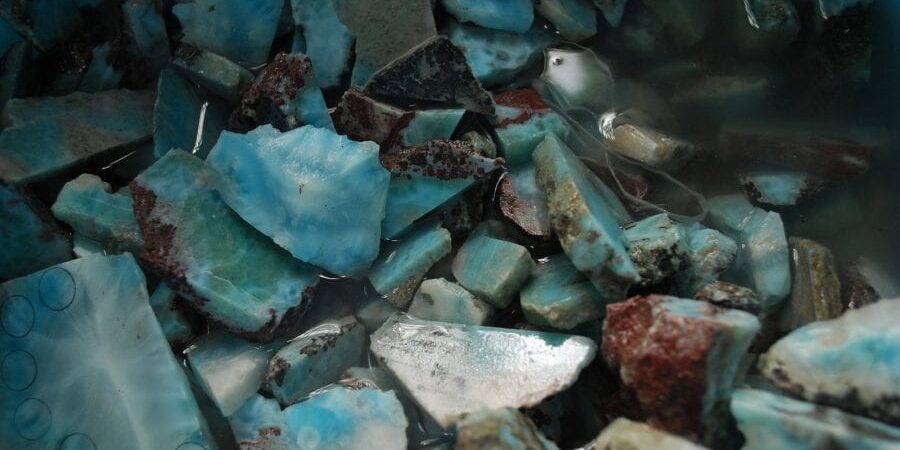
9. Learn About Larimar, the Dominican Republic’s Blue Gemstone
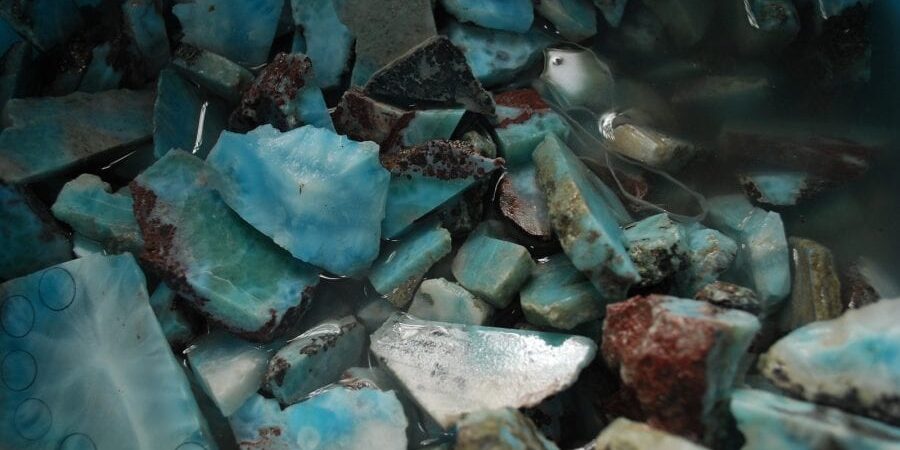
Larimar is a distinctive blue gemstone associated with the Dominican Republic. It is especially connected with the southwestern region, where it is mined.
The stone’s blue and turquoise shades have made it popular in jewelry and souvenirs.
Visitors interested in local crafts may wish to learn about larimar and explore reputable shops or organized visits related to the gemstone.
Larimar Shopping Tips
- Ask about the stone’s origin and authenticity.
- Compare the quality and finish of different pieces.
- Request a receipt for significant purchases.
- Be cautious of unusually low prices for items presented as high-quality larimar.
- Buy from reputable sellers.
If you are interested in visiting a mining area, check whether access is currently permitted and whether a guided visit is required. Mining sites are working environments and should not be entered without authorization.
10. Explore the Natural Areas Around Barahona
Barahona is part of a wider southwestern region known for its biodiversity and varied landscapes.
Depending on your itinerary, you may be able to combine your stay with excursions toward the Sierra de Bahoruco, Lake Enriquillo, or parts of the Pedernales region.
These areas offer different natural environments, from mountains and dry landscapes to wetlands and protected coastal ecosystems.
Because attractions are spread across a large area, it is important to research distances and travel times before planning day trips.
Some destinations may require a full day or an overnight stay, especially when road conditions, weather, or access arrangements affect the journey.
11. Visit Parque Eólico Los Cocos
Parque Eólico Los Cocos is a prominent wind energy facility in the southwestern Dominican Republic.
The wind turbines form a distinctive feature of the landscape and provide an opportunity to learn about renewable energy in the region.
Travelers driving through the area may be interested in the scenery and the role wind power plays in electricity generation.
If you plan to visit a specific part of the facility, confirm access rules beforehand. Industrial and energy sites may have restrictions, and roadside views do not necessarily mean that visitors can enter the property.
12. Discover Nearby Destinations in the Dominican Southwest
Barahona can serve as one stop on a larger journey through the Dominican Republic’s southwestern region.
Travelers with additional time may consider visiting other destinations, depending on their interests and transportation arrangements.
Pedernales and Bahía de las Águilas
Pedernales is known for its natural landscapes and access to Bahía de las Águilas, a celebrated beach within Jaragua National Park.
The beach is valued for its clear water, pale sand, and protected surroundings. Facilities are limited compared with major resort beaches, so visitors should plan ahead and bring essential supplies.
Although Bahía de las Águilas is often included in southwestern Dominican Republic itineraries, it is not a quick stop immediately beside the city of Barahona. Check driving distances and consider an overnight stay if you want to explore the area without rushing.
Lake Enriquillo
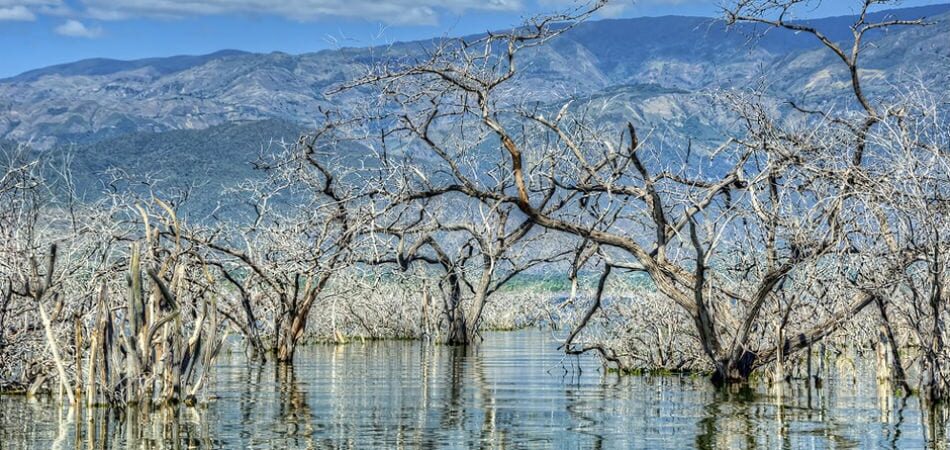
Lake Enriquillo is another notable attraction in the southwest. The wider area features dry landscapes and wildlife habitats that contrast with the coastal scenery of Barahona.
Conditions can be hot, and wildlife sightings are not guaranteed. Visitors should arrange activities with reliable local providers and follow guidance regarding protected areas.
Sierra de Bahoruco
The Sierra de Bahoruco is associated with mountain landscapes, biodiversity, and agricultural areas.
It can appeal to travelers interested in nature, birdwatching, hiking, and exploring the region’s varied ecosystems.
Access and conditions depend on the specific location and route. Some areas may require a suitable vehicle, local guidance, or additional preparation.
Best Beaches in Barahona
Barahona’s beaches are an important part of its appeal, but they are not all alike. Some have pebble shorelines and strong surf, while others are valued for their scenery or access to nearby rivers.
Here are several beaches to consider.
| Beach | What makes it special | Best for |
|---|---|---|
| Playa San Rafael | Pebble beach, river pools, and cascades | Scenery and nature |
| Playa Los Patos | Freshwater river beside the sea | River visits and coastal exploration |
| Playa El Quemaito | Blue water and a distinctive shoreline | Relaxation and photography |
| Playa Bahoruco | Natural coastal scenery and surf | Coastal exploration and surfing when conditions permit |
| Playa Saladilla | Coastal views near the city of Barahona | A convenient local outing |
Beach conditions change with weather and sea conditions. Check local advice before swimming, particularly at beaches known for strong waves or currents.
What Is the Best Time to Visit Barahona?
Barahona can be visited throughout the year, but weather conditions, rainfall, and local travel demand may influence your experience.
The drier period, generally from December through April, can be attractive for travelers who want to explore the coast and plan outdoor activities. However, weather varies from year to year, and rain can occur outside the wetter months.
December to April
This period is often appealing for road trips, beach visits, and outdoor exploration because conditions are generally drier in many parts of the region.
It can also coincide with busier travel periods, especially around holidays, so booking accommodation ahead of time is sensible.
May to November
The wetter part of the year can bring lush vegetation and changing landscapes. Rain may affect road conditions, river levels, and outdoor plans.
The Atlantic hurricane season runs from June through November. This does not mean that storms will occur during your trip, but travelers should monitor forecasts and follow local advice when severe weather is expected.
Travel Planning Advice
Whatever time of year you visit:
- Check the weather forecast before leaving.
- Allow flexibility in your itinerary.
- Ask locally about river levels and swimming conditions.
- Avoid entering rivers during heavy rain or when water levels rise rapidly.
- Confirm road access if you plan to visit remote areas.
How Many Days Do You Need in Barahona?
The ideal length of your stay depends on how many attractions you want to visit and whether you plan to continue toward Pedernales or other southwestern destinations.
One Day in Barahona
A day trip may allow you to visit a few attractions along the coast, such as San Rafael and Los Patos, depending on your starting point and transportation.
However, traveling from Santo Domingo and returning on the same day can make the journey long. If you want time to enjoy the attractions, consider staying overnight.
Two Days in Barahona
Two days provide more time to explore the city and nearby coastal attractions without rushing.
You could dedicate one day to the coastal highway and another to local culture, coffee experiences, or additional natural attractions.
Three to Four Days in Barahona
A longer stay allows you to explore more of the province and make a more relaxed road trip.
You may have time for the coast, mountain areas, local food, and selected attractions in the wider southwestern region. If you want to include destinations far from Barahona, plan your overnight stops carefully.
Suggested Barahona Itinerary
The following itinerary is a starting point that you can adapt to your travel dates and interests.
Day 1: Discover the City and Coast
Morning: Arrive in Barahona, check into your accommodation, and explore the city center.
Afternoon: Visit Playa El Quemaito or another nearby coastal location. Allow time to enjoy the scenery and stop for refreshments.
Evening: Try a local restaurant and enjoy a relaxed evening in the city.
Day 2: San Rafael and Los Patos
Morning: Travel along the coastal highway toward San Rafael. Explore the river area and enjoy the mountain and coastal views.
Midday: Stop for a Dominican meal at a local establishment, depending on what is open.
Afternoon: Continue to Los Patos to see the river and nearby beach. Check the water conditions before swimming.
Evening: Return to your accommodation or continue to another destination if your itinerary allows.
Day 3: Coffee, Local Culture, or a Longer Road Trip
Choose an experience based on your interests.
You could look into a visit to a coffee-growing area, explore additional coastal communities, learn about larimar, or plan a longer journey toward Pedernales.
If you are heading to a distant attraction, check the route and driving time in advance. Some journeys are more comfortable with an overnight stay along the way.
Where to Stay in Barahona
Accommodation in Barahona includes city hotels, smaller guesthouses, and properties located closer to the coast or surrounded by nature.
Unlike Punta Cana, where large all-inclusive resorts dominate many areas, Barahona is often chosen by travelers who want a more independent style of trip.
Hotels in the City of Barahona
Staying in the city can be convenient if you want access to restaurants, shops, and everyday services.
It can also be a practical base for day trips to the surrounding coastal attractions.
Coastal Accommodation
Some travelers prefer to stay near the coast for sea views and easier access to selected beaches.
Before booking, check the exact location, restaurant availability, and whether you will need a car or arranged transportation to reach other attractions.
Nature-Focused Accommodation
Travelers seeking a quieter environment may consider smaller properties outside the city.
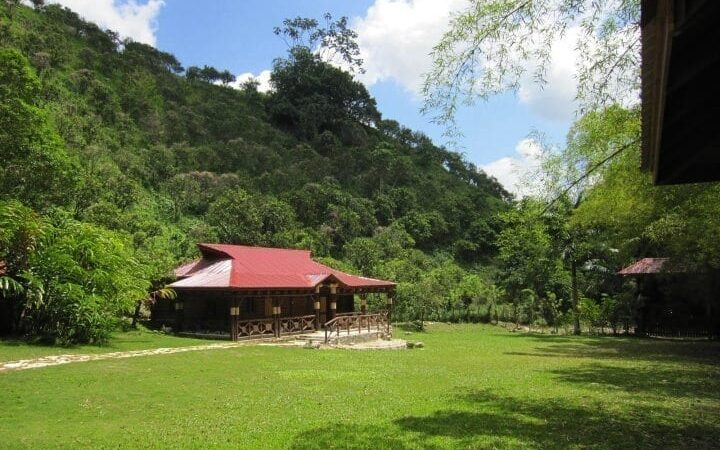
These can offer a more secluded setting, but services and transportation may be more limited. Confirm the availability of meals, internet, air conditioning, and other facilities that are important to you.
Tips for Choosing a Hotel
- Check the property’s exact location.
- Confirm whether breakfast or other meals are included.
- Read recent guest reviews.
- Ask about parking if you plan to rent a car.
- Check whether the hotel can help arrange local transportation.
- Book ahead during busy holiday periods.
- Confirm cancellation terms before paying.
If you plan to visit several attractions, choosing accommodation with convenient road access can save time.
What to Eat in Barahona
Food is an important part of experiencing the Dominican Republic, and Barahona offers opportunities to enjoy local cooking in restaurants and smaller establishments.
The region’s coastal location makes seafood a natural choice at many local restaurants, while traditional Dominican dishes are widely enjoyed throughout the country.
Dominican Dishes to Try
Depending on the restaurant, you may find:
- Pescado frito: Fried fish, often served with tostones or other side dishes.
- Pescado con coco: Fish prepared with coconut sauce, where available.
- La bandera dominicana: A traditional meal typically featuring rice, beans, meat, and a side salad.
- Mangú: Mashed green plantains often served with onions and other breakfast accompaniments.
- Tostones: Fried green plantain slices.
- Sancocho: A hearty traditional stew that may be available at selected restaurants.
- Fresh tropical fruit: Seasonal fruits and fruit drinks.
Ask about preparation methods and ingredients if you have allergies or dietary restrictions.
Try Local Coffee
Coffee is an important agricultural product in the wider region. If you enjoy coffee, look for locally produced options and ask about their origin.
Purchasing coffee directly from a reputable local business can also be a way to support regional producers.
How to Get to Barahona
Most visitors reach Barahona by road.
From Santo Domingo
The drive from Santo Domingo generally takes around three hours under favorable conditions, though traffic and the exact departure point can affect the total journey.
Travelers arriving at Las Américas International Airport should allow additional time for airport procedures, collecting luggage, and reaching their transportation.
By Private Transportation
A private transfer can be useful for travelers who want a direct journey without driving themselves.
This option may be particularly convenient for families, couples, and groups. Confirm the pickup location, total journey time, luggage capacity, and price before booking.
By Rental Car
Renting a car provides flexibility for visiting multiple beaches, rivers, and viewpoints.
However, visitors should be comfortable with local driving conditions and should check the state of the roads before traveling to remote locations.
Avoid driving after consuming alcohol, and do not attempt unfamiliar or unsafe routes simply to reach a particular viewpoint.
By Bus or Public Transportation
Public transportation may be available for travel between major towns, but schedules, departure points, and onward connections can vary.
If you plan to visit several attractions outside the city, you may need additional local transportation. Check current services before relying on public transportation for a tightly scheduled itinerary.
Practical Travel Tips for Visiting Barahona
A successful visit to Barahona starts with realistic planning. The region’s natural attractions are spread out, and some places have fewer visitor facilities than major resort destinations.
Bring Suitable Footwear
Many beaches have stones or pebbles, and river areas can have slippery rocks. Comfortable walking shoes and water shoes can be useful.
Carry Water and Sun Protection
The tropical climate can be hot, especially during outdoor activities and road trips. Bring drinking water, sunscreen, a hat, and lightweight clothing.
Check River and Sea Conditions
Freshwater pools can look calm while nearby rivers or coastal areas may have hazardous conditions. Heavy rain can also cause river levels to rise quickly.
Follow local advice and avoid swimming when conditions are unsafe.
Carry Some Cash
Smaller establishments may not accept cards. Keep a reasonable amount of cash available for food, small purchases, parking, or local services.
Plan Your Route Before Leaving
Mobile coverage and navigation can vary by location. Save key addresses and directions in advance, and make sure you know where you intend to stop.
Respect the Environment
Barahona’s appeal depends on its natural surroundings. Take your rubbish with you, avoid disturbing wildlife, and follow local rules in protected areas.
Allow Extra Time
Road trips can take longer than expected because of traffic, road conditions, and spontaneous stops. Avoid scheduling too many attractions into a single day.
Is Barahona Safe for Tourists?
Barahona welcomes visitors interested in nature and cultural tourism, but travelers should take the same practical precautions they would in any unfamiliar destination.
Keep valuables secure, avoid leaving belongings unattended, and use reliable transportation. When visiting beaches, rivers, or mountain areas, follow local guidance and pay attention to weather conditions.
Some attractions have limited facilities or may be far from medical services. Travelers should plan accordingly, particularly when exploring remote areas or taking part in outdoor activities.
If you are unsure about a route or natural attraction, ask your accommodation or a reputable local guide for advice before setting out.
Barahona vs. Punta Cana: Which Destination Should You Choose?
Barahona and Punta Cana offer very different vacation experiences.
Punta Cana is known for its extensive resort infrastructure, all-inclusive hotels, sandy beaches, and organized leisure activities. It is often the easier choice for travelers seeking a conventional beach vacation.
Barahona is more suited to travelers who want to explore natural landscapes, visit smaller communities, drive along scenic coastal roads, and experience a less resort-focused part of the country.
| Feature | Barahona | Punta Cana |
|---|---|---|
| Main appeal | Nature, rivers, mountains, and coastal scenery | Beach resorts and all-inclusive vacations |
| Accommodation | Smaller hotels, guesthouses, and selected resorts | Extensive range of resorts and hotels |
| Beaches | Many rocky or pebble beaches | Many well-known sandy resort beaches |
| Activities | Road trips, nature exploration, rivers, local culture | Resort activities, excursions, golf, and water sports |
| Transportation | A car or arranged transportation is helpful for exploring | Transfers and organized excursions are widely used |
| Travel style | Independent exploration and ecotourism | Resort-based holidays and organized leisure |
Neither destination is universally better. The right choice depends on what you want from your vacation.
Some travelers may even combine a stay in Punta Cana with a longer road trip through the Dominican Republic’s southern and southwestern regions.
Frequently Asked Questions About Barahona, Dominican Republic
What is Barahona famous for?
Barahona is known for its dramatic coastal landscapes, rivers, waterfalls, pebble beaches, mountains, and ecotourism opportunities. San Rafael and Los Patos are among its best-known natural attractions.
Is Barahona worth visiting?
Yes. Barahona is particularly worthwhile for travelers who enjoy nature, scenic road trips, local culture, and destinations outside the main resort areas. It offers a different experience from the Dominican Republic’s large all-inclusive resort zones.
How far is Barahona from Santo Domingo?
Barahona is approximately a three-hour drive from Santo Domingo in favorable conditions. The journey may take longer depending on traffic, your departure point, and stops along the way.
What are the best things to do in Barahona?
Popular activities include visiting Los Patos River, exploring San Rafael’s waterfalls and pools, discovering Playa El Quemaito, driving along the coast, exploring the city, and learning about regional coffee and larimar.
Can you swim in Los Patos?
Visitors commonly swim in the freshwater area at Los Patos when conditions are suitable. However, water levels and conditions can change. Follow local advice and avoid swimming when currents, rainfall, or other conditions make the area unsafe.
Can you swim at San Rafael Beach?
Conditions vary. The river pools and the Caribbean Sea are different environments, and the sea can have strong waves and currents. Check local conditions before entering the water and follow safety guidance.
What is the best time to visit Barahona?
Barahona can be visited throughout the year. The generally drier months from December to April are often convenient for outdoor exploration, but weather varies. Check forecasts before traveling, especially during the Atlantic hurricane season.
How many days should I spend in Barahona?
Two to four days can provide a good introduction to the city, coastal attractions, rivers, and nearby countryside. A longer trip is helpful if you also want to explore destinations farther southwest.
Is Barahona suitable for families?
Yes, families can enjoy selected rivers, beaches, scenic drives, and cultural attractions. Parents should assess each location individually, especially where there are strong waves, slippery rocks, or limited facilities.
Are there all-inclusive resorts in Barahona?
Barahona has accommodation options that differ from the large resort concentrations found in Punta Cana. Travelers will find smaller hotels and guesthouses as well as selected properties outside the traditional all-inclusive resort model. Check the exact services included with any reservation.
Can I visit Barahona from Punta Cana in one day?
A day trip from Punta Cana would involve substantial road travel and may leave little time to enjoy the attractions. An overnight stay or a multi-day itinerary is generally more practical for exploring Barahona properly.
Can I combine Barahona with Pedernales?
Yes. Travelers with sufficient time can combine Barahona with parts of Pedernales and other southwestern destinations. Because distances are significant, plan the route in advance and consider overnight stops.
Do I need a rental car in Barahona?
A rental car can provide flexibility for visiting beaches, rivers, and other attractions outside the city. Private transportation or organized excursions are alternatives for travelers who do not want to drive.
Plan Your Trip to Barahona with Go Dominican Travel
Barahona is a wonderful destination for travelers who want to discover the Dominican Republic beyond its most famous resort areas. From the refreshing river at Los Patos to the waterfalls of San Rafael, the pebble beaches, the scenic coastal highway, and the region’s agricultural traditions, the area offers a memorable combination of nature and local culture.
The best way to experience Barahona is to allow enough time to explore without rushing. Choose accommodation that suits your itinerary, check conditions before swimming, and plan transportation carefully so you can enjoy the journey as much as the destination.
Whether you are organizing a weekend escape, a family adventure, or a longer road trip through the Dominican southwest, Barahona offers an opportunity to discover a more natural and authentic side of the country.
Visit Go Dominican Travel to explore travel services and excursions that can help you plan your Dominican Republic experience.
ACTIVITIES IN BARAHONA
BARAHONA NIGHTLIFE
Experience the relaxed atmosphere of Barahona after dark and discover a taste of authentic Dominican nightlife. Along the city’s seafront Malecón, you’ll find local bars and casual lounges where visitors and residents gather to enjoy music, drinks, and good company. Spend the evening playing pool, listening to Caribbean rhythms, or sipping a refreshing cocktail while enjoying the coastal breeze. Barahona’s nightlife offers a laid-back alternative to the busier entertainment districts of the Dominican Republic.
BIRD WATCHING IN BARAHONA
Barahona and the surrounding Sierra de Bahoruco mountains are among the Dominican Republic’s most rewarding destinations for birdwatching. The region’s diverse ecosystems, ranging from tropical forests to high-altitude cloud forests, provide habitats for numerous bird species, including several found only on the island of Hispaniola. Birdwatchers may spot the Hispaniolan Parakeet, Hispaniolan Emerald, Hispaniolan Trogon, and Broad-billed Tody. The area is also important for threatened and migratory species, making it an excellent destination for nature photographers, wildlife enthusiasts, and visitors interested in the island’s biodiversity.
CABRAL
The municipality of Cabral is particularly famous for its traditional Cachúa Carnival, celebrated around Easter. During this distinctive cultural event, participants wear colorful, bat-inspired costumes and wield whips as part of centuries-old festivities associated with driving away evil spirits. The celebrations bring local traditions, music, and community spirit to the streets. Nearby, the small town of La Lista is known for its handcrafted wooden rocking chairs, offering visitors another glimpse into the region’s traditional craftsmanship and rural culture.
CACHOTE
Discover the natural beauty of Cachote, a protected cloud forest nestled in the mountains of the Barahona region at approximately 1,097 meters (3,600 feet) above sea level. This peaceful ecological destination features cool temperatures, mist-covered vegetation, and winding trails through lush tropical landscapes. Along the hiking routes, visitors can observe native plants, bromeliads, wild orchids, and a variety of bird species. Cachote is particularly appealing to hikers, birdwatchers, photographers, and travelers seeking an authentic nature experience away from the Dominican Republic’s more developed tourist areas.
CAFETO MADRE
Coffee lovers visiting Barahona can explore Cafeto Madre, a community-based coffee experience in the mountainous municipality of Polo. Local guides lead visitors along scenic hiking trails through the countryside, introducing them to the region’s coffee-growing traditions and surrounding natural landscapes. The excursion provides an opportunity to learn about local agriculture while enjoying the fresh mountain air and beautiful views. Travelers can also consider combining their visit with a trip to the nearby Cachote cloud forest for a full day of hiking and ecological exploration.
CORPORATIVA SIMONA ESMERALDA FELIZ
Located in Polo, Corporativa Simona Esmeralda Feliz offers visitors an opportunity to learn about locally produced Dominican coffee and the work of the community behind it. This local cooperative grows and processes coffee, providing insight into the traditional methods and production stages involved in bringing coffee from the plantation to the cup. Visits during the coffee-processing season, generally between November and January, can offer a particularly interesting look at the production process. It is a worthwhile stop for travelers interested in sustainable tourism, rural communities, and the agricultural heritage of southern Dominican Republic.
CUEVA DE LA VIRGEN
Hidden among the lush forests near the Sierra de Bahoruco mountain range, Cueva de la Virgen is a fascinating natural attraction for adventure seekers. Reaching the cavern involves a hike through tropical vegetation, allowing visitors to experience the area’s rich biodiversity along the way. Inside and around the cave, emerald-colored pools and impressive rock formations create a memorable setting. The combination of hiking, forest scenery, and geological features makes this destination an excellent choice for travelers looking to discover a different side of Barahona beyond its beaches.
LA CIÉNEGA
La Ciénaga is a charming coastal fishing village where visitors can experience the traditional lifestyle and natural beauty of southern Dominican Republic. Surrounded by mountains, rivers, and the Caribbean Sea, the community offers opportunities to discover local food traditions and explore the surrounding countryside. Visitors may be able to participate in artisan marmalade-making workshops using fruits collected in the Sierra de Bahoruco region. Hiking excursions to nearby caves and rivers provide additional opportunities to appreciate the area’s landscapes while learning about the local community and its cultural heritage.
LAGUNA RINCÓN
Laguna Rincón, also known as Laguna de Cabral, is one of the Dominican Republic’s most important freshwater wetlands. Covering an extensive area, this protected natural reserve supports a rich variety of wildlife and aquatic vegetation. Visitors interested in nature can look for birds such as pelicans, herons, flamingos, and ducks, as well as other wildlife that inhabits the wetland ecosystem. The lagoon is particularly appealing to birdwatchers, photographers, and travelers interested in environmental conservation. Its peaceful surroundings offer a different kind of excursion for those exploring Barahona and the neighboring communities.
MOUNTAIN BIKING IN BARAHONA
Barahona’s varied terrain makes it an exciting destination for mountain biking and outdoor adventure. Riders can explore countryside roads, challenging mountain routes, forest trails, and paths leading through some of the region’s most beautiful natural landscapes. Depending on the chosen route, a cycling excursion may pass coffee plantations, tropical vegetation, rural communities, and areas near caves or protected natural reserves. Whether you’re an experienced cyclist seeking a challenging ride or an outdoor enthusiast looking to explore the region at a slower pace, mountain biking offers a memorable way to discover Barahona beyond the main tourist attractions.
PLAYA CASITA BLANCA
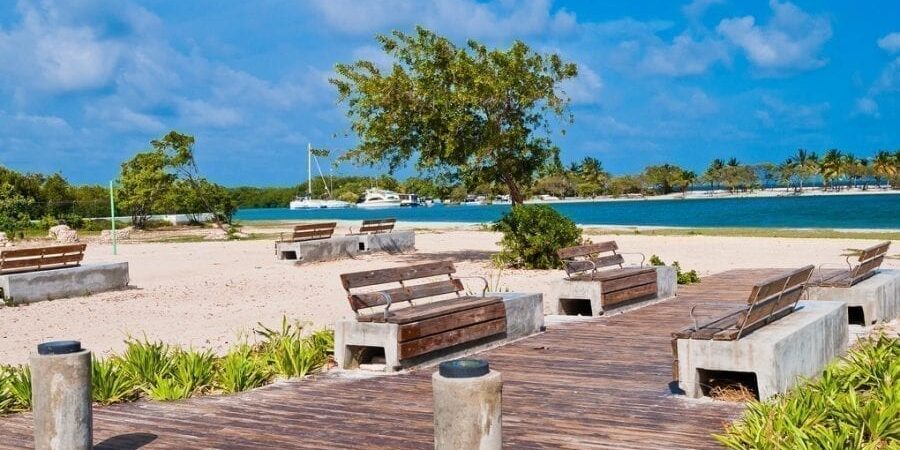
Playa Casita Blanca is a convenient coastal escape located within the city of Barahona. Stretching along part of the seafront boulevard, this beach provides a pleasant setting for enjoying the Caribbean atmosphere without traveling far from town. Visitors can relax by the water, take in the sea views, and enjoy a refreshing break from exploring the city. Nearby accommodations and establishments offer places to stop for a drink or enjoy the coastal surroundings. Its accessible location makes Playa Casita Blanca a practical option for travelers looking to combine sightseeing in Barahona with some time by the sea.
PLAYA EL QUEMAÍTO
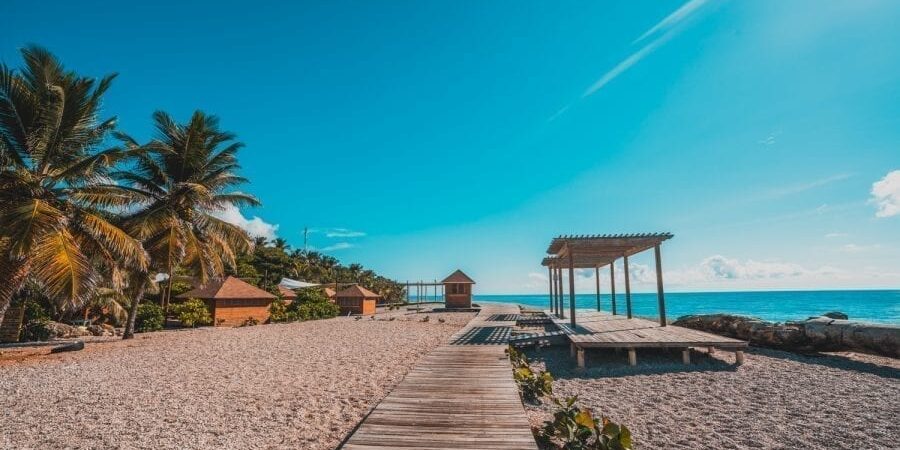
Playa El Quemaito is one of the most recognizable beaches along the Barahona coastline, known for its distinctive white pebbles and beautiful turquoise waters. Unlike traditional sandy beaches, its pebble-covered shore gives it a unique appearance and creates an attractive setting for relaxing beside the Caribbean Sea. Visitors can find local food and drink stands, as well as shaded seating areas where they can enjoy the coastal scenery. The beach is a popular stop for travelers exploring southern Dominican Republic, offering an opportunity to unwind and appreciate the region’s natural beauty. As sea conditions can change, visitors should always check local advice before swimming.
PLAYA LA CIÉNEGA
Playa La Ciénaga combines coastal scenery with the authentic atmosphere of a traditional Dominican fishing community. Fishing boats and canoes contribute to the beach’s local character, while the surrounding bay provides a picturesque setting for enjoying the sea and watching everyday life along the coast. The beach becomes particularly lively when local families gather during weekends and evenings. Some areas feature rocky sections and changing water conditions, so visitors should choose their swimming spots carefully and follow local guidance. For travelers interested in experiencing the culture and coastal landscapes of Barahona, Playa La Ciénaga is a worthwhile stop.
PLAYA PARAÍSO
Playa Paraíso is a striking coastal destination in Barahona, where the Caribbean Sea meets a beautiful shoreline framed by tropical scenery. The beach is particularly attractive at sunrise and sunset, when the changing light creates spectacular views across the water. Early in the morning, visitors may see local fishermen heading out to sea, offering a glimpse into the region’s traditional fishing culture. The beach is also known for its waves, which can appeal to experienced surfers when conditions are suitable. However, currents may be strong, so swimming is not always advisable. Visitors should respect local safety guidance and enjoy the scenery from the shore when conditions are rough.
POLO
Situated more than 700 meters above sea level, Polo is a mountainous municipality celebrated for its coffee-growing traditions and refreshing highland climate. The area’s fertile soil, elevation, and favorable growing conditions contribute to the production of aromatic Dominican coffee. Visitors can explore the surrounding countryside, discover local plantations, and learn about the agricultural practices that support the community. Polo also offers beautiful mountain scenery and access to nearby natural attractions, making it an appealing destination for travelers interested in rural tourism, hiking, and authentic cultural experiences. A visit provides a different perspective on the Dominican Republic, far removed from its familiar resort landscapes.
SIERRA DE BAHORUCO NATIONAL PARK
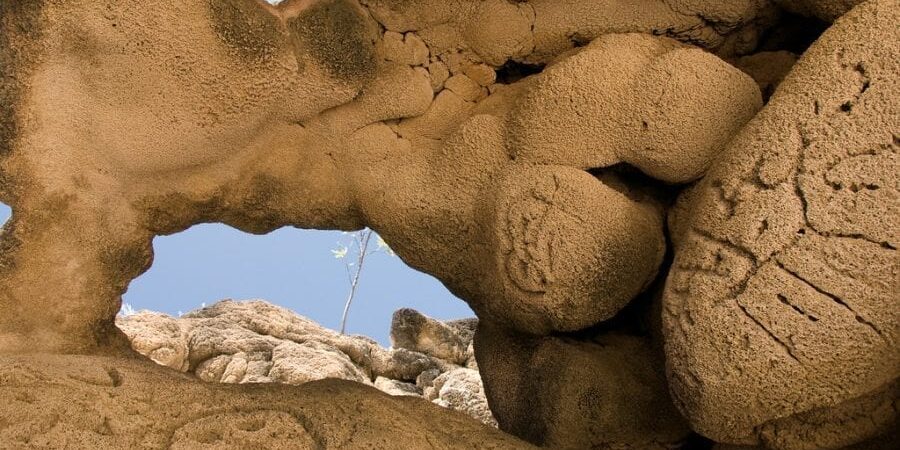
Sierra de Bahoruco National Park is one of the Dominican Republic’s most remarkable natural destinations, recognized for its exceptional biodiversity and varied landscapes. The protected area includes different forest ecosystems, mountainous terrain, and distinctive limestone formations. Its changes in elevation create habitats for a wide range of plant and animal species, including numerous birds that attract wildlife enthusiasts from around the world. The park forms part of the wider Jaragua-Bahoruco-Enriquillo Biosphere Reserve, recognized by UNESCO for its ecological importance. Hiking, birdwatching, and nature photography are among the activities that make this destination appealing. Visitors should plan their trips carefully, as some routes require suitable transportation, preparation, and local guidance.
SURFING IN BARAHONA
Barahona is an attractive destination for surfers seeking a less-developed coastline and a more adventurous Caribbean experience. Several beaches in the region, including Bahoruco, La Ciénaga, San Rafael, Paraíso, and Los Patos, are known for conditions that can appeal to surfers. Wave quality varies depending on the beach, season, weather, and swell, so checking local conditions before entering the water is essential. Experienced surfers can discover challenging breaks while enjoying the region’s spectacular coastal scenery. Surfing also contributes to Barahona’s growing appeal among travelers interested in outdoor sports, nature, and destinations beyond the Dominican Republic’s main resort areas.
BARAHONA–ENRIQUILLO COASTAL HIGHWAY
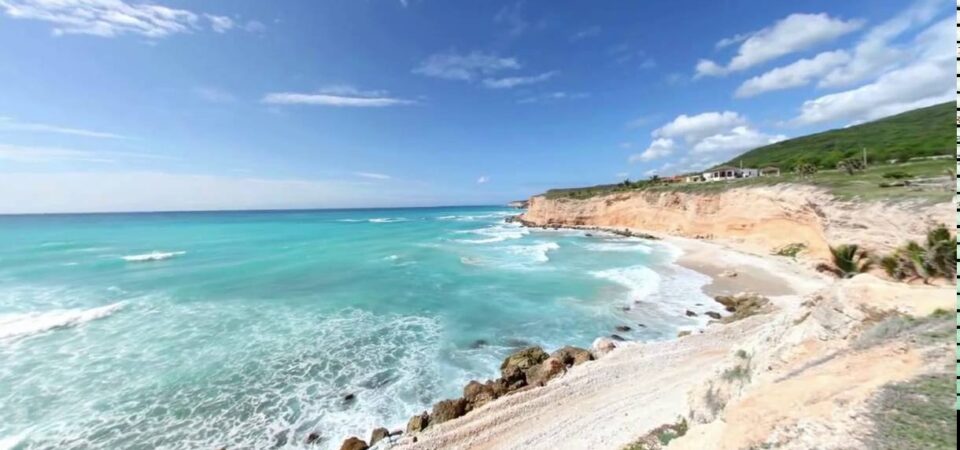
The Barahona–Enriquillo Coastal Highway is one of the most scenic driving routes in southern Dominican Republic. Stretching along the Caribbean coastline, the road offers sweeping sea views on one side and dramatic mountains rising above the landscape on the other. Along the way, travelers can discover small fishing communities, secluded coastal stretches, beautiful beaches, and roadside viewpoints that showcase the region’s natural beauty. The route also provides convenient access to several well-known attractions, including Playa El Quemaito, San Rafael, Los Patos, and Playa Paraíso. Whether you’re planning a road trip, exploring local villages, or searching for picturesque places to stop for photographs, this coastal drive is an excellent way to experience the diversity of Barahona.
Activities from Barahona