
Air Travel to the Dominican Republic
Flying is the most convenient way for most international travelers to reach the Dominican Republic. The country has multiple international airports distributed across its eastern, southern, northern, and northeastern regions.
These airports provide access to popular destinations such as Punta Cana, Bávaro, Santo Domingo, La Romana, Bayahibe, Puerto Plata, Sosúa, Cabarete, and the Samaná Peninsula.
When booking your flight, consider the location of your accommodation rather than simply choosing the cheapest airfare. A flight arriving at an airport far from your hotel can result in additional transportation costs and a longer journey after landing.
For example, visitors staying in Punta Cana will generally find Punta Cana International Airport convenient, while those planning to explore Santo Domingo may prefer Las Américas International Airport.
1. Punta Cana International Airport (PUJ)
Punta Cana International Airport is one of the principal gateways for international tourists visiting the Dominican Republic. Located in the country’s eastern region, it serves the Punta Cana resort area and nearby coastal destinations.
The airport is particularly convenient for travelers staying in:
- Punta Cana
- Bávaro
- Cap Cana
- Cabeza de Toro
- Arena Gorda
- Macao
- Uvero Alto
Punta Cana is famous for its extensive beaches, all-inclusive resorts, golf courses, restaurants, nightlife, and organized excursions. Many visitors choose this region for family vacations, honeymoons, destination weddings, and group trips.
After arriving at PUJ, travelers can arrange private airport transfers, hotel transportation, rental cars, or other available ground transport services.
Travel tip: Check your hotel’s exact location before booking your flight and transfer. Although several resorts are marketed as being in Punta Cana, driving times can vary considerably depending on whether the property is in Cap Cana, Bávaro, Macao, or Uvero Alto.
If you plan to explore beyond your resort, consider arranging transportation for excursions and visits to nearby attractions.
Useful travel guides:
2. Las Américas International Airport (SDQ), Santo Domingo
Las Américas International Airport serves Santo Domingo, the capital of the Dominican Republic. It is located east of the capital and provides access to the city’s historic center, business districts, and surrounding coastal communities.
SDQ is a practical choice for visitors planning to explore:
- Santo Domingo’s Colonial City
- Boca Chica
- Juan Dolio
- The southern coast
- Cultural and historical attractions in the capital
Santo Domingo offers a different experience from the country’s main beach resorts. Travelers can explore historic streets, museums, colonial architecture, traditional Dominican restaurants, shopping areas, and lively neighborhoods.
The Colonial City, known as the Zona Colonial, is especially popular with visitors interested in the country’s history and architecture.
From the airport, travelers can continue to their hotels by private transfer, taxi, rental car, or other available transportation options.
If you are staying in Punta Cana after landing in Santo Domingo, remember that the two destinations are separated by a substantial road journey. Compare the total cost and convenience of your flight and ground transportation before making your decision.
Who should choose SDQ?
This airport is a good option for travelers whose itinerary begins in Santo Domingo or includes several destinations along the southern coast. It can also work for travelers planning a longer road trip across the country.
Explore more:
3. Gregorio Luperón International Airport (POP), Puerto Plata
Gregorio Luperón International Airport serves Puerto Plata and the northern coast of the Dominican Republic.
Its location makes it convenient for travelers staying in Puerto Plata and nearby coastal communities, including Sosúa, Cabarete, and Cofresí.
The northern region is known for its combination of beaches, mountains, historic attractions, water sports, and outdoor adventures.
Visitors can explore the historic center of Puerto Plata, enjoy the beaches, discover local restaurants, or use the area as a base for activities such as surfing, windsurfing, snorkeling, and countryside excursions.
The airport is also useful for travelers who want to experience a different side of the Dominican Republic beyond the large all-inclusive resort areas of the east.
Travel tip: If your accommodation is in Cabarete, Sosúa, or another town along the north coast, confirm the transfer time to your exact property. The airport is close to several destinations, but travel times depend on the route and traffic.
4. La Romana International Airport (LRM)
La Romana International Airport serves the southeastern region of the Dominican Republic. It is particularly useful for visitors staying in La Romana and the Casa de Campo area, as well as travelers exploring Bayahibe and nearby coastal attractions.
This region is popular for beach holidays, boating excursions, golf, diving, and trips to offshore islands.
Bayahibe is an important departure point for boat excursions to Saona Island and other destinations in the surrounding marine area. Visitors planning an excursion should confirm the departure location and whether hotel transportation is included.
La Romana can also be a convenient starting point for travelers combining a resort stay with cultural activities or coastal exploration.
Discover more:
5. El Catey International Airport (AZS), Samaná
El Catey International Airport, also known as Juan Bosch International Airport, serves the Samaná Peninsula in the northeastern Dominican Republic.
It can be a convenient arrival point for travelers staying in Las Terrenas, Santa Bárbara de Samaná, or other destinations around the peninsula.
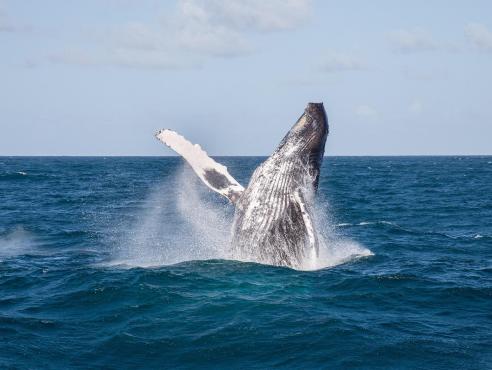
Samaná offers a different atmosphere from the larger resort areas. Visitors come for its beaches, green landscapes, small coastal communities, waterfalls, boat trips, and opportunities to observe humpback whales during the seasonal migration period.
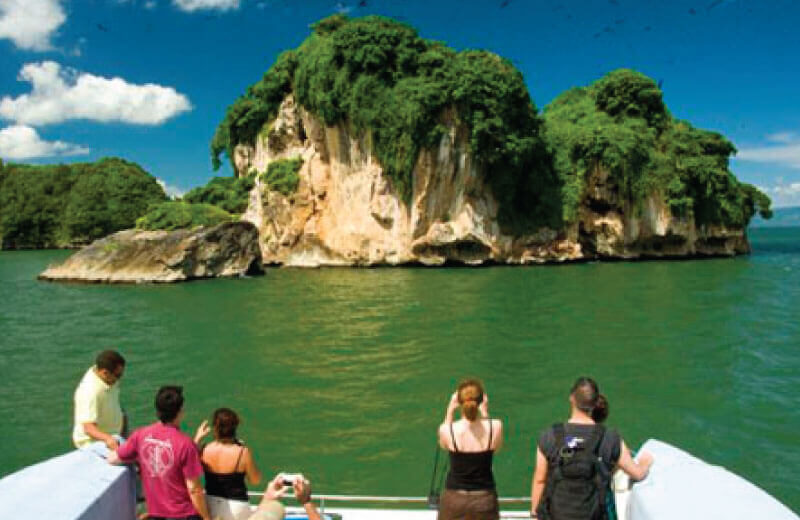
Popular places to explore include Las Terrenas, Las Galeras, Playa Rincón, El Limón Waterfall, and Los Haitises National Park.
Because the peninsula has several distinct destinations, it is worth checking the distance between the airport and your accommodation before arranging a transfer.
Who should consider AZS?
This airport is worth investigating if your trip focuses on Samaná rather than Punta Cana or Santo Domingo. Depending on your departure city and travel dates, flight schedules may be more limited than those serving larger airports, so compare available connections carefully.
Explore:
6. Cibao International Airport (STI), Santiago
Cibao International Airport serves Santiago de los Caballeros, one of the Dominican Republic’s principal cities.
Situated in the Cibao Valley, Santiago provides access to the country’s interior, including destinations associated with agriculture, mountain scenery, Dominican culture, and local urban life.
STI may be useful for travelers visiting Santiago, La Vega, Jarabacoa, Constanza, or other communities in the central and northern interior.
This airport can also be considered by visitors planning a multi-destination itinerary, although the onward journey should be evaluated carefully if the final destination is a coastal resort.
Travel tip: Do not assume that every airport in the Dominican Republic is equally convenient for every resort. Compare the complete journey, including flight connections, transfer time, and transportation cost, before deciding where to land.
7. Other Airports and Private Aviation
In addition to the principal international gateways, the Dominican Republic has other airports and aviation facilities serving regional routes, private aviation, and charter operations.
La Isabela International Airport, also known as Dr. Joaquín Balaguer International Airport, is located north of Santo Domingo and serves selected regional routes.
Private aircraft and charter flights may offer alternatives for travelers with specialized itineraries. Availability, permitted operations, airport facilities, and entry procedures depend on the flight and its arrangements.
If you are organizing private aviation, confirm the details directly with your operator and the relevant airport before departure.
How to Choose the Best Airport for Your Vacation
The best airport depends on where you intend to stay and what you want to experience during your trip.
Use this general guide when comparing arrival options:
| Your destination | Airport to consider |
|---|---|
| Punta Cana and eastern resort areas | Punta Cana International Airport (PUJ) |
| Santo Domingo and the capital region | Las Américas International Airport (SDQ) |
| Puerto Plata, Sosúa, and Cabarete | Gregorio Luperón International Airport (POP) |
| La Romana and nearby southeastern destinations | La Romana International Airport (LRM) |
| Samaná Peninsula | El Catey International Airport (AZS) |
| Santiago and the central Cibao region | Cibao International Airport (STI) |
This table is a starting point rather than a guarantee of the fastest or cheapest route. Flight availability, accommodation location, traffic, and onward connections can all affect the final journey.
If you plan to visit more than one region, consider arriving at one airport and departing from another. An open-jaw itinerary can reduce unnecessary backtracking, depending on your flight options and route.
Sea Travel to the Dominican Republic
The Dominican Republic is also accessible by sea. Cruise ships visit several destinations, while private yachts and sailing vessels can use designated ports and marinas.
Sea travel offers different experiences depending on the type of trip. Cruise passengers often have a limited amount of time ashore and may want to organize a short excursion. Yacht travelers may have greater flexibility but need to follow maritime, customs, immigration, and port-clearance requirements.
Before traveling by sea, confirm the exact port or marina, the rules that apply to your vessel, and the procedures for entering the country.
Cruise Ports in the Dominican Republic
The Dominican Republic has several cruise destinations, including Santo Domingo, La Romana, Samaná, and the Puerto Plata area. Cruise itineraries and terminal arrangements vary by cruise line and sailing.
Some ships use terminals designed for cruise passengers, while other itineraries may involve different docking or transfer arrangements.
Always check the port listed on your cruise documents. The name of a destination in a cruise itinerary does not necessarily identify the exact terminal or point where passengers will disembark.
1. Santo Domingo Cruise Port
Santo Domingo is a popular destination for travelers interested in Dominican history, architecture, food, and city life.
Cruise facilities in the capital are located near the Ozama River and the historic city center. Depending on the terminal and arrangements, passengers may be able to reach important attractions without traveling far from the port.
The Colonial City is a highlight for many visitors. Its historic streets, plazas, religious buildings, museums, and restored colonial structures offer a glimpse into the early history of European settlement in the Americas.
Things to do during a port visit may include:
- Exploring the Colonial City.
- Visiting historic monuments and museums.
- Sampling Dominican food.
- Walking through traditional streets and plazas.
- Shopping for local crafts and souvenirs.
- Taking a guided city tour.
Cruise visitors should plan around their ship’s departure time. If you book an excursion independently, allow enough time to return to the correct terminal and complete any required boarding procedures.
2. La Romana Cruise Port
La Romana is a gateway to southeastern Dominican Republic attractions, including coastal communities, beaches, and excursions by boat.
Depending on the ship’s itinerary and terminal arrangements, visitors may be able to explore La Romana or organize excursions to nearby destinations.
One popular option in the wider region is a trip to Saona Island. Known for its beaches and coastal scenery, the island is commonly visited by organized boat excursions departing from the Bayahibe area.
However, the departure point, transfer arrangements, and total excursion duration vary by operator. Cruise passengers should select an option that fits their time in port and confirm whether transportation between the cruise terminal and excursion departure point is included.
Possible activities include:
- Discovering local beaches.
- Exploring the surrounding coastal area.
- Taking a guided excursion.
- Enjoying a boat trip, subject to availability and conditions.
- Experiencing Dominican food and culture.
If you are considering a Saona Island excursion, confirm the complete schedule before booking. A trip that works well for hotel guests may not be suitable for a cruise passenger with a shorter port call.
3. Samaná Cruise Destination
Samaná is known for its natural landscapes, beaches, and coastal scenery.
Cruise arrangements in the area can vary, and passengers may be brought ashore using different procedures depending on the ship and port conditions. Confirm your ship’s exact arrival arrangements before planning independent activities.
Depending on the time available, visitors may explore the local town, arrange a guided excursion, visit a nearby beach, or learn more about the region’s natural attractions.
Popular experiences in the wider Samaná area include:
- Visiting scenic beaches.
- Exploring local markets and communities.
- Discovering the peninsula’s coastal landscapes.
- Taking an organized boat excursion.
- Learning about local culture and cuisine.
Humpback whale watching is a seasonal activity in Samaná Bay, generally associated with the winter and early-spring migration period. Sightings are not guaranteed, and whale-watching excursions depend on the season, sea conditions, and responsible operating practices.
Before booking a shore excursion, check the available time and the distance from the port. Some of Samaná’s best-known attractions require significant travel by road or boat.
4. Puerto Plata Cruise Terminals
Puerto Plata is an important cruise destination on the Dominican Republic’s north coast. Cruise facilities in the area include Amber Cove and Taino Bay, with the terminal relevant to your visit depending on your ship’s itinerary.
The region offers a combination of coastal scenery, historic attractions, shopping, food, and outdoor activities.
Possible experiences include:
- Exploring Puerto Plata’s historic center.
- Visiting local museums and cultural attractions.
- Discovering the area’s coastal scenery.
- Enjoying Dominican cuisine.
- Taking a guided excursion beyond the terminal.
- Exploring available activities near the port.
Amber Cove and Taino Bay are separate facilities. Check your cruise documents to identify the correct terminal before booking transportation or an excursion.
If you want to explore beyond the immediate port area, consider a guided tour or a prearranged transfer. Independent travel may be possible, but it is important to leave enough time to return to the correct terminal before boarding closes.
5. Punta Cana and Cap Cana by Sea
The Punta Cana region is internationally recognized for its resorts and beaches, but it also offers marine activities and facilities for recreational boating.
Marinas in the area, including Marina Cap Cana and the marina at Puntacana Resort & Club, serve different types of boating and leisure activities.
Travelers may find opportunities for fishing charters, sailing, diving, or other water-based experiences, depending on the operator and conditions.
A marina visit is not necessarily the same as a cruise-ship port call. Confirm whether your vessel is authorized to use the facility and what services are available before arriving.
Private Boats, Sailing, and Yachting
Travelers arriving in the Dominican Republic aboard a private yacht or sailing vessel need to plan for more than the journey itself.
International arrivals by private vessel may involve formalities relating to immigration, customs, port clearance, vessel documentation, and other maritime requirements.
The exact procedure depends on the vessel, its route, the people on board, and the port of entry. Rules can change, so boat owners and captains should confirm the latest requirements with the relevant Dominican authorities and their chosen marina before arrival.
Arriving at an Authorized Port
Private vessels should follow the applicable entry procedures and use an authorized port of entry when required.
Depending on the circumstances, officials may inspect the vessel and its documentation, review crew and passenger information, and complete immigration and customs formalities.
Do not assume that arriving by private boat eliminates the need for official clearance. Nor should travelers rely on outdated online information about fees, permits, or the documents required.
Before departure, prepare the relevant vessel registration, passports, crew and passenger information, and any other documents required for your particular journey.
Moving Between Ports
If you plan to move a vessel from one Dominican port to another, confirm the applicable clearance or departure authorization procedures before leaving.
Requirements can depend on the route and vessel status. Contact the relevant port or marina and authorities for instructions rather than assuming that the same process applies to every harbor.
Safety and Weather Planning
The Caribbean can experience changing sea conditions and tropical weather systems. Boat operators should monitor official forecasts and marine advisories, maintain suitable safety equipment, and follow local instructions.
During periods of severe weather, a planned route or marina stay may need to change. Build flexibility into your itinerary and make safety the priority.
Travelers who are not experienced sailors should consider working with a qualified captain or reputable charter operator.
Popular Marinas in the Dominican Republic
Marinas provide facilities and services for yachts, sailboats, fishing vessels, and other recreational boats. Services vary, so check directly with the marina about berthing, vessel size limits, fuel, maintenance, customs access, and other requirements.
Marina Cap Cana
Marina Cap Cana is located in the Cap Cana area near Punta Cana. It is associated with recreational boating, sport fishing, and the wider area’s upscale resort and leisure facilities.
Its location can make it useful for travelers exploring the eastern coast by boat, subject to the marina’s requirements and availability.
Puntacana Resort & Club Marina
The marina at Puntacana Resort & Club serves visitors to the Punta Cana area and supports recreational boating activities.
If you plan to visit with a private vessel, confirm the marina’s current access rules, berthing arrangements, and available services in advance.
Casa de Campo Marina
Casa de Campo Marina is located in the La Romana area, near the Chavón River and Caribbean coastline.
The surrounding destination is known for upscale accommodations, restaurants, leisure activities, and golf. The marina can be a point of interest for yacht travelers and visitors staying in the area.
Marina Bartolomé Colón
Marina Bartolomé Colón is associated with the Santo Domingo port area and offers a boating option for visitors interested in the capital’s waterfront.
Before planning a stop, contact the facility to verify current access arrangements, vessel requirements, and available services.
Marina Zar-Par
Marina Zar-Par is located in the Boca Chica area near Santo Domingo. It serves recreational boating and is one of the facilities boaters may consider when exploring the southern coast.
Confirm current berthing availability, access requirements, and services directly with the marina.
Ocean World Marina
Ocean World Marina is located in the Cofresí area near Puerto Plata. It is associated with the Ocean World complex and the north coast’s tourism and recreational boating scene.
Travelers should confirm the marina’s current facilities, operating arrangements, and vessel restrictions before planning a visit.
Puerto Bahía Marina
Puerto Bahía Marina is located in the Samaná area and provides a base for boating along the peninsula’s northeastern coastline.
The surrounding region is known for its beaches, islands, and natural attractions. Boat operators should confirm local navigation requirements, weather conditions, and the availability of marina services before departure.
Puerto Blanco Marina
Puerto Blanco Marina is located in Luperón on the north coast. The surrounding harbor is known as a sailing destination, but conditions and facilities should be assessed according to the vessel, season, and current weather.
Check the marina’s latest information before planning a long stay or relying on particular services.
Documents and Entry Requirements for Travelers
Whether you arrive by air or sea, checking entry requirements before traveling is essential.
Requirements can vary by nationality, residency status, travel purpose, and method of arrival. The following points provide general guidance, not a substitute for checking the current rules that apply to you.
Passport and Visa Requirements
Many visitors can enter the Dominican Republic for tourism without obtaining a visa in advance, but eligibility depends on nationality and other circumstances.
Check the current requirements with an official Dominican government source or the appropriate consular authority before booking your trip.
Confirm the passport-validity rules applicable to your nationality and circumstances. Temporary exceptions or special provisions may apply, and travelers should not assume that the same rule applies to everyone.
Return or Onward Travel
Travelers may be required to show evidence of onward or return travel, depending on their circumstances and the applicable rules.
Airlines can also apply document checks before boarding. Confirm the requirements for your itinerary with your airline or travel provider before departure.
Dominican Republic E-Ticket
Passengers traveling on commercial flights generally need to complete the Dominican Republic’s electronic entry and exit form, known as the E-Ticket.
The form is available through the official government platform. It combines relevant immigration, customs, and travel information into an electronic process.
Complete the form before arriving at the airline counter, follow the official instructions, and save the confirmation or QR code so that it is accessible during your journey.
Procedures for cruise passengers and people arriving on private or non-commercial vessels may differ. Check the official guidance for your method of arrival rather than assuming the same form requirements apply to every traveler.
For more information, visit the Dominican Republic Entry Requirements guide.
Customs and Immigration for Sea Arrivals
People arriving aboard private vessels may need to complete separate maritime entry procedures. These can include reporting to immigration and customs, presenting vessel documents, and following port-clearance instructions.
The requirements may differ from those for passengers arriving on commercial flights or cruise ships.
Captains and vessel owners should verify the applicable procedure before arrival and follow instructions from the relevant authorities.
Getting from the Airport or Port to Your Hotel
After arriving in the Dominican Republic, you will need to reach your hotel, vacation rental, cruise excursion, or next destination.
Your options depend on where you arrive, how far you are traveling, and whether you prefer private transportation or a more independent approach.
Private Airport Transfers
Private transfers are a convenient option for travelers who want transportation arranged before landing.
A prearranged transfer can be especially useful for families with children, couples carrying luggage, groups traveling together, and visitors arriving after a long international flight.
Before confirming a transfer, provide the following information:
- Arrival airport.
- Flight number and scheduled arrival time.
- Hotel or accommodation name.
- Number of passengers.
- Number and approximate size of suitcases.
- Child-seat requirements, if applicable.
- Any special accessibility needs.
For departures, confirm the pickup time with your provider and allow sufficient time for road conditions, airport procedures, and airline check-in requirements.
Transportation from Cruise Ports
Cruise passengers should identify the exact terminal before arranging transportation.
If your ship docks at Amber Cove, for example, you should not assume that a driver should meet you at Taino Bay. Similarly, port names and nearby resort destinations may not identify the exact pickup point.
When booking a shore excursion, check whether port pickup is included, where the meeting point is located, and how long the activity will take.
For independent outings, choose activities that allow a comfortable return buffer before the ship’s required boarding time.
Rental Cars and Independent Travel
A rental car may be useful for visitors planning to explore several destinations independently.
Before renting, research local driving conditions, insurance coverage, parking, tolls, and the route between your accommodation and planned attractions.
Road distances can be considerable, and mountainous or rural routes may take longer than expected. Plan realistic driving days rather than attempting to cover too many regions in a short trip.
Combining Multiple Destinations
If you intend to visit different parts of the country, create a route that takes account of travel time.
For example, you could combine Santo Domingo with destinations along the southern coast, or plan a northern itinerary around Puerto Plata and nearby beach towns. A trip that includes both Punta Cana and the north coast may require a longer transfer or an additional flight.
The best itinerary depends on the number of nights available, your interests, and your preferred pace.
Planning a Multi-Destination Trip by Air and Sea
The Dominican Republic offers enough regional variety to justify exploring beyond a single resort. With careful planning, travelers can combine urban experiences, beach destinations, nature, and marine activities.
A One-Week Eastern and Southern Itinerary
Days 1–3: Punta Cana
Arrive at Punta Cana International Airport and transfer to your accommodation. Spend time at the beach, enjoy local restaurants, or arrange a suitable excursion.
Days 4–5: Bayahibe and La Romana
Travel toward Bayahibe to explore the coastal area or take an organized boat trip, subject to availability and conditions.
Days 6–7: Santo Domingo
Continue to the capital for a cultural experience. Explore the Colonial City, sample Dominican cuisine, and learn more about the country’s history before departing from the most suitable airport for your return flight.
This itinerary requires advance planning for transportation and accommodation changes. Adjust the number of nights according to your flight schedule.
A Northern Coast Itinerary
Days 1–2: Puerto Plata
Arrive at Gregorio Luperón International Airport and explore Puerto Plata’s historic center and surrounding attractions.
Days 3–4: Sosúa and Cabarete
Enjoy the beaches and coastal atmosphere. Depending on your interests, consider water sports, restaurants, or a guided excursion.
Days 5–7: Explore the Region
Use your remaining days to visit additional coastal communities or inland attractions, allowing time for travel and relaxation.
A Samaná Nature Itinerary
Arrive through El Catey International Airport if suitable flights are available, then organize transportation to your accommodation.
Spend time exploring Las Terrenas or Santa Bárbara de Samaná, visit a beach, and consider an excursion to El Limón Waterfall or Los Haitises National Park.
If your trip takes place during the humpback whale migration season, investigate responsible whale-watching excursions with authorized operators. Weather and sea conditions can affect boat trips.
For all these itineraries, compare flight options, travel times, and accommodation locations before finalizing the route.
Best Time to Travel to the Dominican Republic
The Dominican Republic is a year-round destination, but weather, sea conditions, demand, and local events can influence the best time for your visit.
Many travelers prefer the winter and early-spring months for a beach holiday. This period also overlaps with the humpback whale season in Samaná Bay.
The Atlantic hurricane season officially runs from June through November. This does not mean that a storm will affect every trip during those months, but travelers should monitor forecasts and understand the cancellation and change policies attached to their flights, accommodation, excursions, and boat arrangements.
If you are arriving by private yacht, weather planning is particularly important. Consult reliable marine forecasts, follow local guidance, and avoid setting out when conditions are unsafe.
Regardless of the season, consider booking transportation and popular excursions in advance if your travel dates coincide with major holidays or busy tourism periods.
Practical Tips for Air and Sea Travelers
A few simple preparations can help make your arrival smoother.
Before Booking Your Flight
- Confirm which airport is closest to your accommodation.
- Compare the total journey cost, including onward transportation.
- Check baggage allowances and any connection requirements.
- Review passport, visa, and onward-travel requirements.
- Confirm that your flight schedule works with your planned transfer.
Before a Cruise
- Confirm the exact port and terminal.
- Check the ship’s arrival and departure times.
- Review shore-excursion meeting points and duration.
- Allow enough time to return before the ship’s boarding deadline.
- Carry identification and any documents required for the excursion.
Before Arriving by Private Boat
- Contact your chosen marina or port.
- Confirm entry and clearance procedures.
- Prepare vessel, passenger, and crew documents as required.
- Check current marine forecasts and advisories.
- Verify berthing availability and any applicable fees.
- Follow instructions from Dominican authorities.
Before Your Return Journey
- Confirm your airport or port departure location.
- Check your flight or vessel schedule.
- Reconfirm ground transportation.
- Keep important travel documents accessible.
- Allow a suitable buffer for traffic and airport or port procedures.
Frequently Asked Questions About Air and Sea Travel to the Dominican Republic
What is the main international airport in the Dominican Republic?
The country has several international airports. Punta Cana International Airport is a major gateway for eastern resort destinations, while Las Américas International Airport serves Santo Domingo. Other airports serve areas including Puerto Plata, La Romana, Samaná, and Santiago.
Which airport should I use for Punta Cana?
Punta Cana International Airport (PUJ) is generally the most convenient airport for Punta Cana and many nearby resort areas. Check the exact location of your accommodation to estimate the onward transfer.
Can I fly into Santo Domingo and stay in Punta Cana?
Yes. Travelers can arrive at Las Américas International Airport and continue by road to Punta Cana. However, the journey is substantial, so compare the total travel time and cost with flights arriving directly at Punta Cana International Airport.
Does the Dominican Republic have cruise ports?
Yes. Cruise destinations include Santo Domingo, La Romana, Samaná, and the Puerto Plata area. The exact terminal depends on your ship and itinerary.
Which cruise terminal does Puerto Plata use?
Cruise itineraries in the Puerto Plata region may use Amber Cove or Taino Bay. Check your cruise documents to identify your ship’s actual terminal.
Can I visit Saona Island from a cruise ship?
It may be possible, depending on your port, the time available, and the excursion’s departure location. Confirm the transfer, departure time, total duration, and return arrangements before booking.
Can I arrive in the Dominican Republic on a private yacht?
Private vessels can enter through authorized ports subject to applicable maritime, immigration, customs, and clearance requirements. Vessel owners and captains should verify the current procedures with the relevant authorities and their chosen marina before arrival.
Do I need an E-Ticket to enter the Dominican Republic?
Passengers arriving on commercial flights generally need to complete the Dominican Republic E-Ticket process. Requirements for cruise passengers and private or non-commercial vessels can differ, so consult the official guidance for your method of arrival.
Is the Dominican Republic easy to explore by road?
Several destinations are connected by road, but the country is large enough that some journeys take several hours. Choose your arrival airport carefully, estimate realistic driving times, and avoid planning an itinerary that requires too much travel in a single day.
When is the best time to visit the Dominican Republic?
The country can be visited throughout the year. Your preferred travel period will depend on weather, budget, activities, and the region you want to explore. Travelers should monitor seasonal weather forecasts and check the cancellation policies for flights and excursions.
Plan Your Dominican Republic Trip with Go Dominican Travel
Choosing the right airport, cruise port, or marina is an important first step toward enjoying the Dominican Republic. With several arrival gateways and a wide variety of destinations, a little planning can help you save time and make the most of your vacation.
Whether you are staying at a resort in Punta Cana, exploring the history of Santo Domingo, visiting the beaches of Bayahibe, discovering Puerto Plata, or enjoying the natural scenery of Samaná, organizing transportation and excursions in advance can make your journey more convenient.
Go Dominican Travel provides travel information, transportation options, and excursion experiences to help visitors discover the country. Depending on your itinerary and service requirements, you can explore available tours, arrange transportation, and plan activities around your accommodation.
Start by browsing our Dominican Republic tours and excursions, exploring our destination guides, or learning more about traveling to the Dominican Republic.
Plan your arrival, choose the right destination, and get ready to discover the Dominican Republic by air, by sea, and beyond.