
Arts and Crafts in the Dominican Republic: A Guide to Local Art and Souvenirs
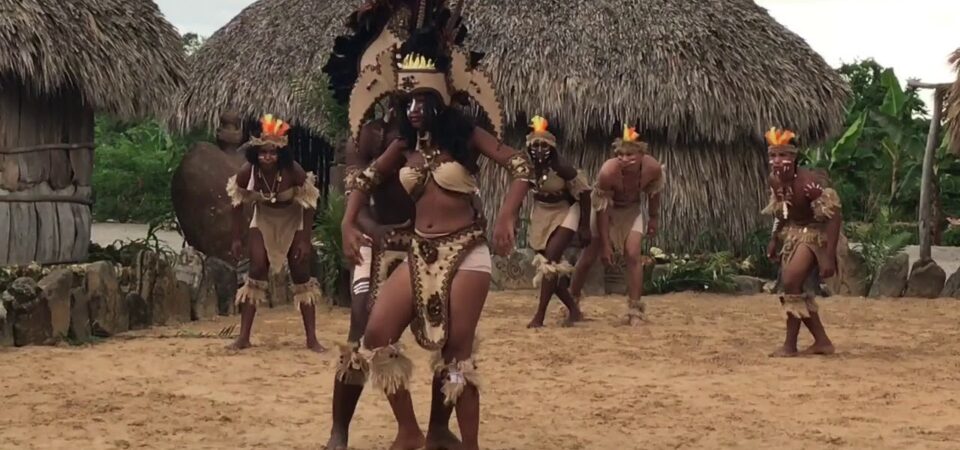
The Dominican Republic is known for its beautiful beaches, vibrant music, warm climate, and rich cultural heritage. Yet beyond its tropical landscapes and popular resorts, the country has a thriving tradition of arts and crafts that offers visitors another way to discover Dominican identity.
From colorful paintings and handmade ceramics to intricate Carnival masks, traditional wooden sculptures, and jewelry made with locally sourced gemstones, Dominican arts and crafts reflect centuries of cultural exchange and creativity.
The country’s artistic traditions have been shaped by Taíno heritage, Spanish influence, African traditions, and the experiences of generations of Dominican artisans. Today, these influences can be seen in the objects sold at craft markets, souvenir shops, galleries, artisan workshops, and cultural attractions throughout the island.
For visitors, shopping for Dominican handicrafts is more than an opportunity to find a memorable souvenir. It is a chance to learn about local traditions, support independent creators, and take home something connected to the country’s culture.
Whether you are staying in Punta Cana, exploring the historic streets of Santo Domingo, visiting Puerto Plata, or traveling through the southwestern region of Barahona, you will find opportunities to discover distinctive Dominican art.
In this guide, we explore the most popular Dominican handicrafts, the stories behind them, where to find them, and how to choose authentic souvenirs during your vacation.
The Cultural Heritage Behind Dominican Arts and Crafts
Dominican arts and crafts reflect the country’s diverse cultural history. Traditional techniques, materials, symbols, and artistic styles have developed over generations, creating a broad range of objects that combine practical uses with decorative and cultural significance.
Three major cultural influences are especially important when understanding Dominican artistic traditions: Taíno, Spanish, and African heritage.
Taíno Artistic Traditions
The Taíno were the Indigenous people who inhabited Hispaniola and other Caribbean islands before European colonization. They developed sophisticated traditions involving pottery, stone carving, woodwork, weaving, and other forms of craftsmanship.
Taíno objects served practical, ceremonial, and symbolic purposes. They included pottery vessels, tools, woven objects, ceremonial seats, and representations associated with spiritual beliefs.
Contemporary Dominican artisans sometimes draw inspiration from this heritage, producing ceramic figures, carved objects, decorative pieces, and artwork based on Taíno symbols and archaeological motifs.
These modern creations should be understood as contemporary interpretations or reproductions unless their historical provenance is independently established.
For visitors, Taíno-inspired crafts offer an introduction to the Indigenous history of the Dominican Republic, which existed long before the arrival of European settlers.
Spanish Influence
Spanish colonization introduced new artistic traditions, religious imagery, materials, and techniques that became part of the island’s cultural development.
Religious figures, decorative woodwork, certain ceramic styles, and other forms of visual expression reflect elements of this historical influence.
Spanish traditions also contributed to the evolution of Dominican festivals and Carnival celebrations. Over time, these traditions blended with local practices and African influences, producing cultural expressions that are distinctively Dominican.
African and Afro-Caribbean Influence
African heritage has profoundly influenced Dominican music, dance, festivals, religious traditions, and visual arts.
This influence can be seen in the broader cultural environment surrounding Dominican handicrafts, from the colors and themes of contemporary paintings to the costumes, rhythms, and characters associated with Carnival.
Dominican artists frequently portray everyday life, musicians, dancers, rural landscapes, religious celebrations, and community traditions.
These works provide visitors with a visual introduction to the country’s cultural diversity.
Contemporary Dominican Creativity
Dominican craftsmanship is not limited to traditional objects or historical reproductions.
Contemporary artisans work with ceramics, wood, metal, textiles, recycled materials, gemstones, and other media to produce decorative objects, fashion accessories, sculpture, and modern artwork.
Some creators preserve established techniques, while others reinterpret them through contemporary design.
This combination of heritage and innovation makes Dominican arts and crafts an interesting field for travelers, collectors, and anyone looking for meaningful souvenirs.
The Most Popular Arts and Crafts in the Dominican Republic
Visitors will encounter many types of Dominican handicrafts, ranging from affordable decorative items to carefully made pieces intended for collectors.
The following crafts are particularly worth looking for during your trip.
1. Larimar Jewelry: A Unique Dominican Treasure
Larimar is one of the most recognizable materials associated with the Dominican Republic.
This blue variety of pectolite is famous for its distinctive colors, which can range from pale blue and blue-green to deeper shades reminiscent of Caribbean waters.
Its natural patterns make each stone different, giving larimar jewelry an individual appearance.
What Makes Larimar Special?
Larimar is especially notable because its known natural deposit is located in the Dominican Republic, in the southwestern region near Barahona.
The stone is mined and transformed by artisans into jewelry and decorative objects. Its blue tones make it particularly popular among visitors who want a souvenir connected to the Caribbean landscape.
Common larimar products include:
- Necklaces and pendants.
- Earrings.
- Rings.
- Bracelets.
- Decorative stones.
- Small sculptures and polished objects.
Many pieces combine larimar with silver, although designs and materials vary by artisan and retailer.
How Is Larimar Made Into Jewelry?
The process begins with the extraction of the raw stone. Selected pieces are then cut, shaped, polished, and incorporated into jewelry designs.
The stone’s natural patterns influence the finished product. Some pieces have pale, cloudlike markings, while others feature more pronounced blue or green-blue areas.
The final appearance depends on the individual stone, the cutting process, and the artisan’s design.
Where Can You Buy Larimar?
Larimar is sold in jewelry stores, artisan shops, souvenir markets, and specialist establishments throughout the Dominican Republic.
Santo Domingo and Puerto Plata are useful places to look for jewelry retailers and cultural attractions associated with gemstones. Barahona, in the southwest, is particularly relevant for travelers interested in the stone’s origins.
Visitors can also explore the Larimar Museum in Santo Domingo to learn more about the gemstone and its mining history.
When buying larimar, ask about the stone’s origin, the materials used in the setting, and any available documentation. If you are purchasing an expensive piece, request a detailed receipt and a written description of the item.
Travel tip: Larimar is a memorable gift for someone who appreciates jewelry, natural gemstones, or handmade accessories. Because prices and quality vary, compare several pieces before making a significant purchase.
2. Dominican Amber Jewelry
Amber is another material strongly associated with Dominican craftsmanship.
Unlike larimar, which is a mineral, amber is fossilized tree resin. Dominican amber is valued for its variety of colors and its occasional preservation of ancient biological inclusions.
Some pieces contain small fossilized insects or plant material, making them particularly interesting to collectors.
What Does Dominican Amber Look Like?
Dominican amber is available in several colors, including golden yellow, honey, orange, and brown. Some specimens display unusual colors or optical effects.
The appearance depends on the individual piece, its formation, and how it is cut and polished.
Amber jewelry commonly includes:
- Pendants.
- Earrings.
- Rings.
- Bracelets.
- Necklaces.
- Polished decorative specimens.
Some pieces are set in silver or other metals, while others are displayed as polished amber with minimal additional material.
Amber With Fossil Inclusions
One reason collectors appreciate amber is the possibility of finding preserved biological inclusions.
Small organisms or plant fragments can become trapped in resin and preserved over geological time. Such specimens may offer a glimpse into ancient ecosystems.
However, not every piece of amber contains an inclusion, and the presence of an apparent insect does not by itself establish a specimen’s authenticity or value.
If you are purchasing amber as a collectible, ask the seller to explain the piece’s characteristics and whether any documentation is available.
Where to Buy Amber in the Dominican Republic
Amber jewelry is available in several tourist destinations, including Santo Domingo and Puerto Plata.
Travelers interested in learning more can visit the Amber Museum in Puerto Plata, where exhibitions introduce visitors to Dominican amber and related products.
As with any gemstone purchase, compare prices, ask questions, and request a receipt. Be particularly careful with expensive specimens or pieces advertised as exceptionally rare.
3. Dominican Faceless Dolls
The Dominican faceless doll, commonly known as the muñeca sin rostro, is one of the country’s best-known handicrafts.
These figurines are often made from ceramic and depict women wearing colorful dresses, skirts, hats, or other traditional-looking accessories.
Their defining feature is the absence of facial features.
What Do Faceless Dolls Represent?
Faceless dolls are commonly associated with Dominican cultural identity and the country’s diverse population.
Their lack of facial detail is often interpreted as a symbol of mixed heritage, shared identity, and the variety of people who make up Dominican society.
Although this is a widely repeated interpretation, the symbolism and artistic approach can vary between makers and individual pieces.
The dolls are also appreciated simply as decorative objects. Their clothing, posture, colors, and accessories can make them visually distinctive.
Different Types of Faceless Dolls
Artisans produce faceless dolls in a variety of styles, including:
- Small ceramic figurines suitable for shelves.
- Dolls wearing colorful dresses.
- Figures carrying baskets or other objects.
- Decorative pairs or family groupings.
- Larger pieces intended as interior decorations.
- Contemporary interpretations using different colors and materials.
Some dolls resemble traditional Dominican clothing, while others feature modern designs.
Why Are They a Good Souvenir?
Faceless dolls are recognizable, easy to display, and closely associated with Dominican craftsmanship.
They can be suitable gifts for friends, family members, or collectors of handmade objects.
When purchasing a doll, examine the finish and check for cracks, especially if it is made from ceramic. Ask whether the piece was handmade and whether the seller can identify the artisan or workshop.
If you are flying home with one, request protective packaging and consider how you will transport it safely.
4. Taíno-Inspired Art and Ceramics
Taíno-inspired objects are popular among visitors interested in the Indigenous history of the Caribbean.
Artisans create modern representations of historical objects, spiritual figures, geometric motifs, and other designs inspired by Taíno cultural heritage.
These pieces can include ceramic figures, carved stone objects, decorative plaques, and small sculptures.
Pottery and Ceramic Objects
Ceramics have a long history in the Caribbean, and pottery was an important part of pre-Columbian life.
Contemporary artisans may produce vessels, bowls, figurines, and decorative pieces inspired by archaeological objects or traditional motifs.
Some items are designed primarily for decoration, while others are intended to be used as household objects.
When purchasing Taíno-inspired pottery, ask about the materials, the maker, and the inspiration behind the design.
It is also important to distinguish contemporary handicrafts from genuine archaeological artifacts. Do not purchase objects represented as ancient artifacts without reliable documentation and clear evidence of lawful ownership and sale.
Stone Carvings and Symbolic Figures
Some Dominican craftspeople create carved or molded representations inspired by Taíno symbols and figures.
These pieces can be attractive to travelers who appreciate history and cultural design.
However, not every symbol sold as Taíno has a verified historical origin. Ask the artisan to explain the design and its meaning rather than assuming that every modern representation has a direct archaeological equivalent.
Why Taíno-Inspired Crafts Matter
These crafts can encourage interest in the Indigenous history of Hispaniola and the cultural traditions that existed before European colonization.
They also provide an opportunity to learn about how contemporary Dominican artisans interpret and preserve elements of that heritage.
5. Dominican Carnival Masks
Carnival masks are among the most colorful examples of Dominican artistic craftsmanship.
They are associated with the country’s Carnival celebrations, which take place in communities throughout the Dominican Republic.
Many masks feature exaggerated faces, horns, teeth, vivid colors, and elaborate decorative details. The precise appearance varies according to the region and Carnival tradition.
The Diablo Cojuelo
One of the best-known Carnival characters is the Diablo Cojuelo.
The character is associated with colorful costumes, masks, and lively public celebrations. Masks created for these performances can be striking works of craftsmanship.
Traditional mask-making may involve shaping a form, applying layers of material, painting the surface, and adding decorative elements.
Some contemporary masks incorporate modern materials, while others preserve more traditional approaches.
Carnival Masks From La Vega
La Vega is especially well known for its Carnival traditions and elaborate masked characters.
Artisans create masks with distinctive expressions, bright colors, horns, and decorative details.
The designs can require considerable time and skill, particularly when the mask is intended for use in a performance rather than solely for display.
Carnival Masks From Other Regions
Carnival traditions vary throughout the Dominican Republic.
Puerto Plata, for example, has the Taimáscaro character, which combines cultural references associated with Taíno, Spanish, and African heritage.
Other communities have their own characters, costumes, materials, and mask-making traditions.
This regional variety makes Carnival crafts an interesting subject for travelers who want to understand the cultural differences between Dominican communities.
Buying a Carnival Mask
Small decorative masks can make memorable souvenirs, while larger pieces may be intended for collectors or cultural displays.
Before purchasing a mask, check its size, weight, construction, and fragility.
Ask whether it was made by hand and whether the artisan can explain its regional or cultural inspiration.
If you plan to travel with a large mask, consider its packaging and the airline’s baggage requirements.
6. Dominican Paintings and Contemporary Art
Painting is an important part of the Dominican Republic’s artistic landscape.
In galleries and artisan shops, visitors can find works depicting beaches, rural communities, markets, musicians, dancers, religious scenes, landscapes, and everyday life.
Color plays a prominent role in many works, although styles range from expressive and vibrant compositions to more restrained contemporary pieces.
Everyday Life as Artistic Inspiration
Many Dominican paintings portray scenes from daily life.
Subjects may include people selling produce, musicians playing merengue, women carrying baskets, farmers working in the countryside, or families gathering in villages.
These images can provide a visual introduction to Dominican culture beyond the country’s resorts and beaches.
Caribbean Landscapes
The country’s natural scenery is another common source of inspiration.
Paintings may depict palm-lined beaches, fishing boats, mountain villages, tropical gardens, or the colorful streets of historic towns.
For visitors, these works offer an alternative to conventional souvenirs because they can reflect a particular artist’s interpretation of the country.
Where to Find Dominican Art
Art galleries, cultural centers, and selected shops in Santo Domingo and other major destinations are good places to explore local artwork.
In resort areas, you may also find paintings in souvenir stores or markets.
If you are interested in buying original art, ask about the artist, the materials, whether the work is an original or a reproduction, and how it should be transported.
For more expensive purchases, request a receipt and keep any documentation relating to the artist or work.
7. Handmade Wooden Crafts
Woodworking is another part of Dominican craftsmanship.
Artisans create decorative objects, figurines, utensils, musical instruments, and household items from wood.
The designs range from simple practical objects to detailed carvings and colorful decorative pieces.
Wooden Figurines
Wooden figures may depict musicians, dancers, animals, religious subjects, or scenes from Dominican life.
Some are carved and polished, while others are painted with bright colors.
The quality and finish can vary according to the artisan, the wood, and the complexity of the design.
Traditional Household Objects
Some wooden crafts are inspired by objects traditionally used in Dominican homes.
Small mortars, utensils, and other household items can serve practical purposes as well as decorative ones.
If you intend to use a wooden object for food preparation, ask whether the finish and materials are suitable for that purpose.
Wooden Souvenirs
Wooden objects are often convenient souvenirs because they are available in different sizes and may be less fragile than ceramic pieces.
However, large sculptures can be heavy, and some wooden items may require special treatment or documentation for international transport.
If you are purchasing a substantial wooden object, check your destination country’s import rules before buying it.
8. Handmade Baskets, Palm-Leaves Crafts, and Woven Accessories
Natural fibers are used in a range of Dominican handicrafts.
Depending on the maker and region, these can include palm-leaf hats, woven baskets, bags, beach accessories, mats, and decorative objects.
Such items often combine practical design with traditional techniques.
Palm-Leaf Hats and Bags
Palm-leaf accessories are especially useful for travelers because they can be both decorative and functional.
Common items include hats, beach bags, small baskets, and woven containers.
The appearance depends on the type of fiber, weaving technique, and finishing details.
When choosing a woven item, check the strength of the handles, the consistency of the weave, and whether the material is likely to withstand repeated use.
Woven Baskets and Decorative Pieces
Baskets can be used for storage, serving, or home decoration.
Some are made in simple natural colors, while others incorporate colored fibers or more elaborate patterns.
These products can be a good option for travelers who prefer souvenirs made from plant-based materials rather than gemstones or ceramics.
Choosing Natural-Fiber Crafts
Natural materials may be affected by moisture, crushing, or prolonged exposure to sunlight.
If you are buying woven accessories, ask how to clean and store them. Check whether the item can be flattened or folded safely for travel.
Before carrying plant materials across international borders, check the relevant customs and agricultural regulations.
9. Dominican Musical Instruments
Music is central to Dominican culture, and musical instruments can make distinctive souvenirs.
Visitors may encounter miniature instruments intended for decoration, as well as functional instruments designed for musicians.
Common examples include maracas, drums, and other instruments associated with Dominican and Caribbean musical traditions.
Maracas and Percussion Instruments
Maracas are familiar percussion instruments used in many Latin American and Caribbean musical settings.
Decorative Dominican versions may be painted or carved with colorful designs.
Small instruments can be convenient gifts, although the quality of functional instruments varies considerably.
If you plan to play the instrument rather than display it, ask the seller about the materials, construction, sound, and suitability for performance.
Musical Crafts as Cultural Souvenirs
Miniature instruments can serve as reminders of the Dominican Republic’s lively musical traditions.
They are particularly appropriate for travelers who enjoy merengue, bachata, and Caribbean music.
However, an instrument sold as a souvenir is not necessarily made using traditional methods or intended for professional use. Ask about the maker and construction if authenticity matters to you.
10. Recycled and Sustainable Crafts
Some Dominican artisans transform discarded materials into decorative or functional objects.
Examples may include flowerpots made from old tires, accessories created from reused materials, and decorative objects incorporating reclaimed components.
These products show how craft traditions can adapt to contemporary concerns about waste and resource use.
Why Recycled Crafts Are Worth Exploring
Recycled crafts can give materials a second life while allowing artisans to experiment with color, texture, and design.
They can also offer a distinctive alternative to mass-produced souvenirs.
However, the environmental value of an item depends on how it is made, the materials used, and its durability.
If sustainability is important to you, ask the maker which materials were reused and how the item was produced.
Choosing a well-made object that you will use or keep for years can be more meaningful than purchasing a souvenir that is quickly discarded.
Where to Discover Arts and Crafts in the Dominican Republic
Dominican handicrafts are available in many destinations, but the selection varies by region and type of establishment.
Here are several places to consider when planning your shopping.
1. Santo Domingo: Art, History, and Traditional Crafts
Santo Domingo is one of the best destinations for travelers interested in combining cultural sightseeing with shopping.
The Colonial City contains historic streets, museums, galleries, cultural attractions, and stores selling souvenirs and locally made products.
Visitors can explore art galleries, browse craft shops, and look for jewelry, paintings, ceramics, and decorative objects.
Visit the Larimar Museum
The Larimar Museum provides an opportunity to learn about the Dominican Republic’s distinctive blue gemstone.
Its exhibitions introduce visitors to larimar and its relationship with the country’s artisanal and jewelry-making sectors.
The museum is a useful stop for travelers who want to understand the material before purchasing a piece of jewelry.
Explore the Colonial City
The historic center of Santo Domingo is a good area to combine cultural sightseeing with shopping.
You can visit historical landmarks, explore museums, and look for local crafts along the way.
For visitors interested in learning more about the capital, our Santo Domingo city tour offers another way to discover the city’s historic and cultural attractions.
2. Puerto Plata: Amber and Carnival Traditions
Puerto Plata is known for its coastal scenery, historic architecture, and cultural attractions.
It is also a useful destination for travelers interested in Dominican amber and Carnival traditions.
Visit the Amber Museum
The Amber Museum in Puerto Plata introduces visitors to Dominican amber and its characteristics.
A museum visit can help you understand why amber is valued, how it is used in jewelry, and what to consider when buying a specimen.
After visiting, you can explore local shops and compare available pieces.
Discover Local Cultural Traditions
Puerto Plata has its own Carnival character, the Taimáscaro, which incorporates cultural references from different strands of Dominican heritage.
Travelers interested in masks, costumes, and handmade decorations may find the region particularly appealing.
The availability of specific crafts varies by season, shop, and event, so ask locally about artisan workshops or cultural exhibitions.
3. Barahona: Discover the Origins of Larimar
Barahona, in the southwestern Dominican Republic, is closely associated with larimar.
The region is particularly interesting for travelers who want to learn about the stone’s origins rather than simply purchase finished jewelry.
The nearby Larimar mining area is associated with Los Chupaderos, where the stone is extracted.
A visit to the wider region can offer insight into the relationship between local geology, mining, and the artisans who transform raw material into finished products.
Buying Larimar Near Its Source
Visitors may find larimar jewelry and decorative objects in shops around the region.
As always, examine the item carefully, ask about its origin, and request a receipt.
If you are considering visiting a mine, confirm access arrangements and safety requirements before traveling. Mining areas are workplaces, and entry should take place only where visits are authorized and safely organized.
4. Punta Cana and Bávaro: Souvenirs for Beach Travelers
Punta Cana and Bávaro are among the Dominican Republic’s most popular vacation areas.
Visitors staying in these destinations can find souvenir shops, resort stores, local markets, and retailers offering Dominican-themed crafts.
Typical items may include faceless dolls, larimar jewelry, amber jewelry, Carnival masks, miniature musical instruments, paintings, and woven accessories.
Shopping During Your Vacation
If you are planning excursions from Punta Cana, consider setting aside time to browse local crafts during a shopping stop or cultural visit.
Compare several sellers before purchasing valuable items, especially jewelry.
Remember that not every product sold in a tourist area was made locally. Ask about the artisan, place of manufacture, and materials if you want an authentic Dominican product.
You can also explore our Dominican Republic destinations guide for ideas on combining beach time with cultural experiences.
5. Local Markets and Artisan Shops
Local markets can be interesting places to browse handmade goods and observe the variety of products available in a particular community.
Some markets focus on souvenirs for visitors, while others serve local residents and sell practical household objects, clothing, food, and everyday products.
The atmosphere and selection vary considerably from one destination to another.
When shopping in a market, take your time, ask questions, and compare products. If a seller claims that an item is handmade, ask how it was produced or where it was made.
Buying directly from a craftsperson, where possible, can provide a more personal connection to the object and the person who created it.
How to Choose Authentic Dominican Handicrafts
Not every souvenir sold in the Dominican Republic is handmade locally. Some products are mass-produced or imported, while others are made by Dominican artisans.
If you want to take home something authentic, a few simple steps can help you make a better choice.
Ask About the Artisan
Ask who made the item and where it was produced.
Some retailers can identify the artist, workshop, or community responsible for a product. Others may sell goods sourced from several suppliers.
A clear answer can help you understand what you are buying.
Look at the Quality of the Work
Examine the finish, materials, construction, and small details.
Handmade objects can have minor variations, but poor construction is not automatically evidence of authenticity.
Look for a product that is well made and suited to how you intend to use or display it.
Learn the Story Behind the Design
Ask what inspired the item and whether it relates to a particular community, artistic tradition, or cultural symbol.
A seller or artisan who understands the object may be able to explain the techniques and ideas behind it.
Be cautious about broad historical claims that cannot be substantiated, particularly when buying objects advertised as ancient or archaeological.
Compare Prices
Prices can vary based on material, size, workmanship, retailer, and location.
Comparing several products can help you understand the range of options available.
For valuable jewelry, request a detailed description of the materials and any documentation available.
Request a Receipt
Keep a receipt for valuable purchases, especially jewelry, gemstones, and original artwork.
A receipt may help document the seller, purchase date, item description, and price.
For expensive pieces, ask whether the seller provides written information about the stone or materials.
Responsible Shopping: Supporting Dominican Artisans
Purchasing locally made crafts can help support independent artisans and small businesses.
However, a product’s appearance alone does not tell you who made it or how much of the purchase price reaches the craftsperson.
Where possible, look for sellers who can identify their artisans or explain how the products are sourced.
Consider choosing a well-made object that reflects a skill, technique, or story that interests you rather than buying several inexpensive items that may not last.
Responsible shopping also involves respecting cultural heritage.
Avoid buying objects that appear to be genuine archaeological artifacts without clear, lawful provenance. If a piece is described as historically significant or unusually old, ask for documentation and seek independent advice before purchasing it.
Supporting contemporary artisans is a good way to appreciate Dominican creativity without contributing to the trade in cultural property of uncertain origin.
Practical Tips for Buying Souvenirs in the Dominican Republic
A little planning can make shopping for arts and crafts easier and more enjoyable.
Carry Some Cash
Some smaller shops and market stalls may accept cash more readily than cards.
Keep small denominations available for modest purchases, while using sensible precautions to protect your money and valuables.
Do not assume that every seller accepts the same payment methods.
Protect Fragile Items
Ceramics, glass, and delicate decorative objects can break during travel.
Ask the seller to wrap fragile items securely. If you are flying, consider carrying small valuables and particularly fragile purchases in your hand luggage, subject to airline rules.
Check Customs Regulations
Before purchasing gemstones, plant-based materials, wood products, or culturally significant objects, check the import and export regulations that apply to your journey.
Rules differ by destination country and product type.
Do not assume that an item can automatically be carried across an international border simply because it was legally sold in a souvenir shop.
Be Careful With Expensive Jewelry
When buying amber or larimar, compare several retailers and ask about the stone, setting, and any available certification or documentation.
A beautiful appearance is not a substitute for proof of authenticity.
If you are making a substantial purchase, consider seeking an independent appraisal or expert opinion.
Allow Time to Browse
The best shopping experience is often one in which you can compare different objects rather than making a rushed decision.
If you see a piece you particularly like, ask whether similar designs are available elsewhere and whether the artisan can explain its materials and production.
Ask Before Photographing Artisans
If you visit a workshop or see a craftsperson at work, ask permission before taking photographs or recording video.
Respect any restrictions on photographing private spaces, demonstrations, or individual works.
Frequently Asked Questions About Arts and Crafts in the Dominican Republic
What is the Dominican Republic famous for in arts and crafts?
The Dominican Republic is known for larimar jewelry, amber jewelry, faceless dolls, Taíno-inspired crafts, Carnival masks, colorful paintings, wooden carvings, woven accessories, and handmade ceramics.
What is larimar, and why is it special?
Larimar is a blue variety of pectolite known for its distinctive colors and patterns. Its known natural deposit is in the Dominican Republic, near Barahona, making it a particularly recognizable material in Dominican jewelry.
What are Dominican faceless dolls?
Faceless dolls are decorative figurines, often made of ceramic, that depict women in colorful clothing without facial features. They are widely associated with Dominican cultural identity and are popular souvenirs.
Where can I buy authentic Dominican handicrafts?
You can find handicrafts in artisan shops, galleries, markets, and selected cultural attractions throughout the country. Santo Domingo, Puerto Plata, Barahona, and Punta Cana all offer opportunities to browse different types of crafts.
Where can I learn about larimar?
The Larimar Museum in Santo Domingo provides information about the gemstone and its artisanal uses. Travelers visiting the Barahona region can also explore the area’s connection to larimar mining, subject to current access and safety arrangements.
What is the difference between Dominican amber and larimar?
Amber is fossilized tree resin, while larimar is a blue variety of pectolite. Both are used in Dominican jewelry, but they have different geological origins, appearances, and characteristics.
What are Dominican Carnival masks made from?
Materials vary according to the region, maker, and style. Traditional and contemporary masks may use shaped forms, paper-based materials, paint, and decorative elements. Some modern examples also incorporate synthetic materials.
Are Taíno-inspired crafts genuine Taíno artifacts?
Not necessarily. Many items sold today are contemporary creations inspired by Taíno designs or reproductions of historical forms. If an object is advertised as an authentic archaeological artifact, ask for reliable documentation and evidence of lawful provenance.
Is it better to buy crafts in a market or a specialist shop?
Both can offer interesting products. Markets provide a broad selection and opportunities to compare items, while specialist shops may provide more information about materials, makers, or gemstones. The best option depends on the product you want and the information you need.
Can I bring larimar or amber jewelry home?
Jewelry is commonly purchased as a souvenir, but you should check the customs rules that apply to your destination. Keep your receipt and any documentation provided by the seller, especially for valuable pieces.
Are Dominican handicrafts expensive?
Prices vary widely. Small decorative objects may be inexpensive, while original paintings, elaborate masks, handmade sculptures, and gemstone jewelry can cost considerably more. Compare quality, materials, and workmanship before buying.
Are Dominican arts and crafts suitable as gifts?
Yes. Faceless dolls, small Carnival masks, paintings, woven accessories, miniature instruments, and jewelry are popular gift options. Choose an item based on the recipient’s interests and consider its size, fragility, and ease of transport.
Discover Dominican Culture Through Art and Craftsmanship
Arts and crafts provide a memorable way to experience the Dominican Republic beyond its beaches and resorts.
A larimar pendant connects a piece of jewelry with the country’s distinctive geology. A faceless doll offers a recognizable example of Dominican decorative art. A Carnival mask reflects the energy of local festivals, while a painting or carved figure can provide a personal interpretation of everyday Dominican life.
Each object tells a different story about the country’s creativity, history, and cultural diversity.
During your vacation, take time to visit artisan shops, explore galleries, ask questions, and learn about the people behind the products. Choosing well-made local crafts can create a more meaningful souvenir while helping support Dominican artisans.
If you are planning a trip, Go Dominican Travel can help you explore the country’s destinations and cultural attractions. Discover our tours and excursions and Dominican Republic destination guides to find more ways to experience the island.
Take home more than a souvenir: discover the creativity, traditions, and stories that make Dominican arts and crafts unique.
Cultural activities in the Dominican Republic

- Location5
- Amenities5
- Services5
- Price5
- Rooms5
- Location5
- Amenities5
- Services5
- Price5
- Rooms5