Cotubanamá National Park, Dominican Republic: A Complete Travel Guide
Cotubanamá National Park, located in the southeastern Dominican Republic, is one of the country’s most remarkable protected natural areas. Known for its tropical forests, limestone caves, freshwater springs, coral reefs, white-sand beaches, and rich biodiversity, this spectacular destination offers travelers the opportunity to experience the natural and cultural heritage of the Caribbean.
Formerly known as Parque Nacional del Este, Cotubanamá National Park stretches across the southeastern mainland and includes Saona Island, one of the Dominican Republic’s most famous island destinations. The protected area combines terrestrial and marine ecosystems, creating a landscape where visitors can discover tropical vegetation, explore caves associated with Taíno history, observe wildlife, and enjoy beautiful Caribbean coastlines.
For travelers staying in Punta Cana, Bayahíbe, La Romana, or nearby destinations, Cotubanamá National Park is an excellent place to discover a different side of the Dominican Republic beyond its resorts and beaches. Visitors can explore the park on land, take boat excursions toward Saona Island, snorkel in suitable marine areas, and learn about the importance of protecting this unique environment.
Whether you are planning a nature excursion, a cultural adventure, or a relaxing day on a tropical island, this guide explains what makes Cotubanamá National Park special, what to see, how to get there, and how to plan a responsible visit.
Where Is Cotubanamá National Park?
Cotubanamá National Park is located in the southeastern Dominican Republic, mainly within La Altagracia Province. Its mainland section lies near Bayahíbe and Dominicus, while the protected area also extends across the Catuano Channel to include Saona Island.
The park is part of the wider coastal region known for its limestone geology, tropical dry forest, mangroves, coastal wetlands, coral reefs, and clear Caribbean waters.
Bayahíbe is one of the most convenient access points for visitors who want to explore the park or join a boat excursion to Saona Island. The village is a departure point for many organized trips and also provides accommodation, restaurants, and other tourist services.
The park’s location makes it a popular nature destination for travelers staying in several parts of southeastern Dominican Republic.
Approximate road travel times vary depending on traffic, hotel location, and route:
- From Punta Cana: Around one hour or somewhat longer from many areas.
- From La Romana: Approximately 20–40 minutes from many locations.
- From Santo Domingo: Often around two to three hours.
- From Bayahíbe: The mainland portion of the park is accessible from the surrounding area, although individual attractions may require additional travel or guided arrangements.
These are general estimates rather than guaranteed journey times. If you are visiting a specific trail, cave, beach, or boat departure point, confirm the exact meeting location and current access arrangements in advance.
Why Is Cotubanamá National Park Important?
Cotubanamá National Park protects an extraordinary combination of natural habitats and cultural heritage. Its forests, wetlands, caves, coastal environments, and surrounding marine ecosystems provide shelter for wildlife and help preserve the region’s environmental balance.
The park is particularly important for several reasons.
A Diverse Natural Environment
The park includes tropical and subtropical forest, coastal vegetation, mangrove areas, wetlands, and marine habitats. These ecosystems support many species of plants and animals, including birds and marine life.
The limestone landscape has also created caves and underground freshwater systems that are significant both ecologically and culturally.
Protection of Marine Habitats
The waters around the park contain coral reefs, seagrass beds, and other marine habitats. These environments support fish and other sea life and are important to the wider Caribbean ecosystem.
Marine conservation is especially relevant around Saona Island, where beaches and coastal habitats provide important nesting areas for sea turtles.
Cultural and Archaeological Heritage
The area contains caves and archaeological sites associated with the Taíno people, the Indigenous inhabitants of the Caribbean who lived on Hispaniola before and during the arrival of Europeans.
Rock carvings, pictographs, and other archaeological remains help illustrate the historical significance of the region.
A Destination for Responsible Tourism
Cotubanamá National Park allows visitors to experience nature while learning about conservation. By following park rules, avoiding damage to archaeological sites, and respecting wildlife, travelers can help protect the area for future generations.
The Story Behind the Name Cotubanamá
The park takes its name from Cotubanamá, a Taíno leader associated with the Indigenous resistance to Spanish colonization in the early sixteenth century.
Cotubanamá is remembered as a figure who resisted Spanish forces in the region of Higüey. His story forms part of the wider history of the Taíno people and the profound changes that followed European colonization of the Caribbean.
The park was previously known as Parque Nacional del Este. Its renaming recognizes the historical significance of Cotubanamá and connects the protected landscape with the Indigenous heritage of the Dominican Republic.
Learning about this history adds another dimension to a visit. The park is not simply a place of beautiful beaches and tropical vegetation; it is also a landscape with deep cultural and historical meaning.
Best Things to Do in Cotubanamá National Park
The park offers different experiences depending on whether you prefer land-based exploration, cultural attractions, beaches, or marine activities.
Some areas are accessible only through authorized routes or organized excursions, so it is important to check current visitor rules before making plans.
1. Explore Saona Island
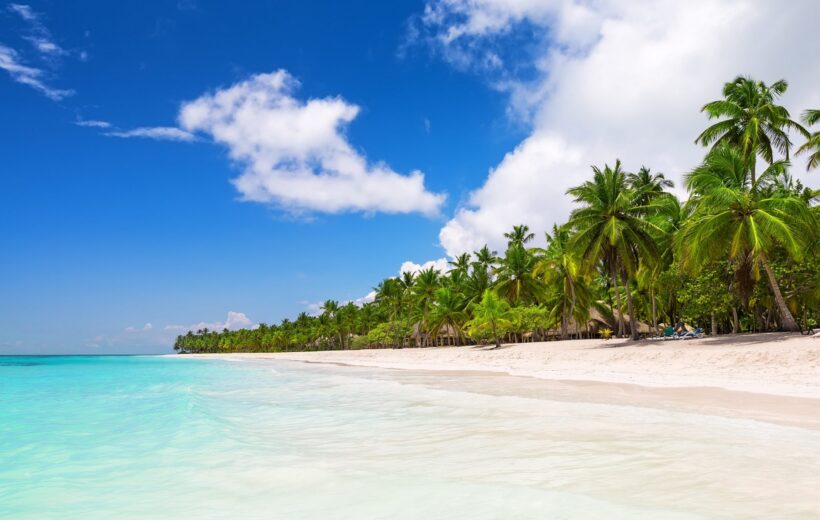
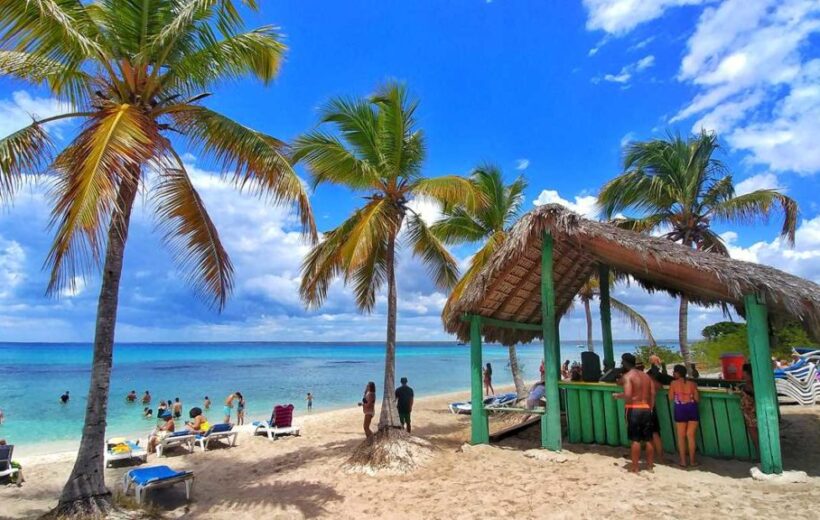
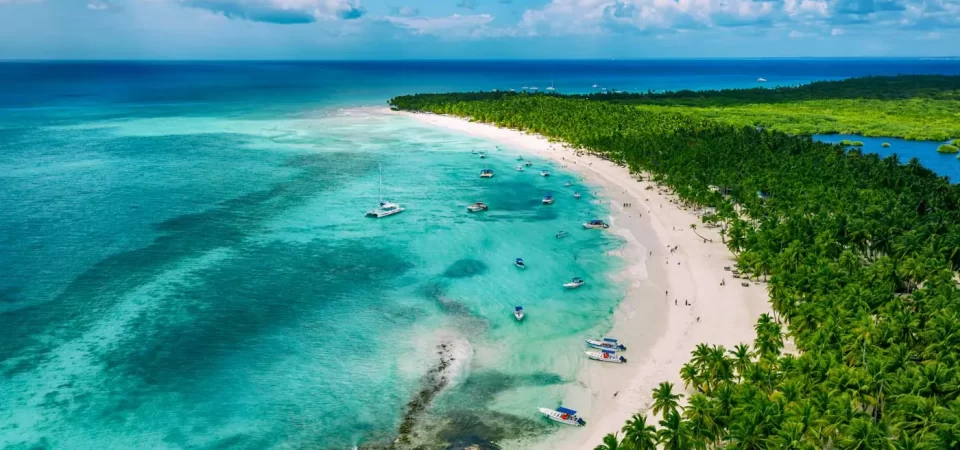
Saona Island is one of the most famous attractions associated with Cotubanamá National Park. Located off the southeastern coast of the Dominican Republic, the island is known for its white-sand beaches, palm trees, turquoise water, and coastal scenery.
Many visitors experience Saona Island as part of an organized boat excursion departing from Bayahíbe. Depending on the tour, transportation may involve a speedboat, catamaran, or a combination of vessels.
A typical island excursion may include:
- A scenic boat journey along the Caribbean coast.
- Time to relax on a beach.
- A stop at a natural pool or shallow sandbank, when conditions permit.
- Lunch and refreshments, depending on the package.
- Opportunities for swimming or snorkeling at designated locations.
- Time to appreciate the island’s tropical scenery.
Saona Island also has a small permanent community, particularly in Mano Juan. Visiting the inhabited area can provide insight into life on the island and the relationship between local communities and tourism.
Because Saona Island is part of a protected area, visitors should respect designated access points, avoid disturbing wildlife, and follow the instructions of their tour operator.
To plan your visit, explore the Saona Island excursion offered through Go Dominican Travel.
2. Discover the Park’s Limestone Caves
Cotubanamá National Park is known for its limestone formations and caves. Over time, water has shaped the underlying rock, creating underground passages, chambers, and other geological features.
Some caves also contain evidence of the region’s Indigenous history, including petroglyphs and pictographs.
Cave exploration can offer a very different experience from the park’s beaches. Instead of open sea and bright sunlight, visitors encounter shaded entrances, rock formations, and underground environments that reveal the area’s geological history.
However, not every cave is open to unrestricted tourism. Some sites are sensitive archaeological locations, while others may have difficult terrain or require specialized guidance.
Before visiting a cave, check whether public access is permitted and whether an authorized guide is required. Do not touch rock art, remove objects, or enter restricted areas.
3. Visit Cueva del Puente
Cueva del Puente is one of the cave attractions associated with the Cotubanamá National Park region.
The cave and surrounding landscape illustrate the limestone geology that characterizes much of the area. Depending on access conditions and the arrangements available, a visit may offer opportunities to learn about the park’s underground formations and natural history.
Cave environments can be uneven, dark, slippery, and sensitive to disturbance. Appropriate footwear and compliance with local guidance are essential.
Visitors should avoid entering any passage that is closed or unsuitable for their experience level.
4. Explore the Padre Nuestro Ecological Trail
The Padre Nuestro area, near Bayahíbe, is associated with caves, freshwater features, and important ecological resources.
The wider area is significant because of its karst geology and freshwater systems. Underground water movement through limestone helps shape the local environment and connects the landscape’s natural features.
A guided or authorized visit can help travelers understand why the area requires careful protection.
Depending on current access arrangements, visitors may be able to follow designated routes and learn about the local ecosystem and the importance of conserving freshwater resources.
Important: Do not assume that every freshwater pool or cave is open for swimming. Access rules and permitted activities vary by location. Follow current regulations and never enter restricted water sources.
5. Enjoy Snorkeling in the Marine Environment
The coastal waters around Cotubanamá National Park offer opportunities to explore the Caribbean’s underwater world.
Depending on the site and sea conditions, snorkeling may reveal tropical fish, coral formations, seagrass areas, and other marine life.
Snorkeling is commonly included in some boat excursions around Bayahíbe, Saona Island, and nearby coastal locations. The exact stop and equipment provided depend on the tour.
For a safe and environmentally responsible experience:
- Follow the crew’s safety briefing.
- Use a properly fitted mask and snorkel.
- Wear a suitable flotation aid if needed.
- Avoid standing on or touching coral.
- Never chase or feed marine animals.
- Keep a safe distance from sea turtles and other wildlife.
- Do not enter the water if currents or waves are unsafe.
Coral reefs are fragile ecosystems. Even small amounts of physical contact can cause damage, so observe marine life without disturbing it.
6. Discover the Natural Pool Near Saona Island
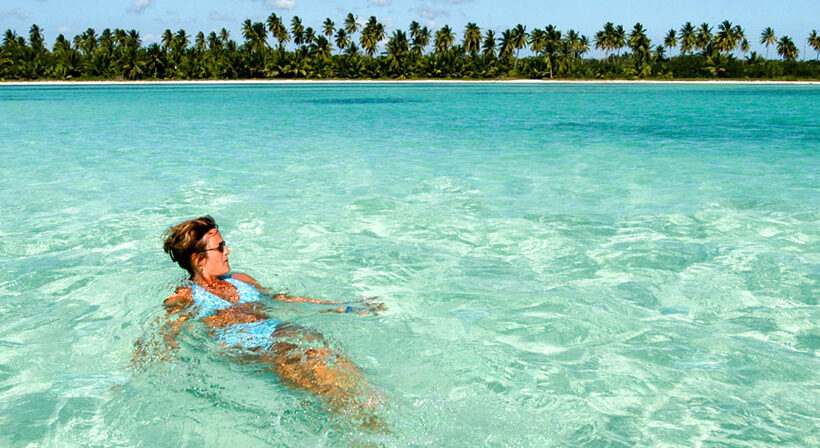
The natural pool commonly included in Saona Island excursions is a shallow offshore sandbank where boats may stop when weather and sea conditions allow.
The clear water and sandy seabed make it a popular place for visitors to enjoy the Caribbean scenery. Some tours schedule time for swimming or wading, depending on the depth and conditions at the stop.
Despite its name, a natural pool in the open sea is not a swimming pool with controlled conditions. Water depth, currents, waves, boat traffic, and visibility can vary.
Always listen to the crew, remain within the designated area, and follow instructions about entering and leaving the water.
If you are traveling with children or anyone who is not a confident swimmer, ask the tour operator about flotation equipment and supervision.
7. Go Birdwatching
Cotubanamá National Park provides habitat for a variety of bird species, including birds associated with coastal vegetation, forests, mangroves, and wetlands.
Birdwatching can be a rewarding activity for travelers who want to explore the park at a slower pace.
Depending on the location, visitors may have opportunities to observe seabirds, wading birds, and species living in the park’s wooded habitats.
For the best experience, bring binoculars, wear comfortable clothing, and avoid making excessive noise.
Do not approach nests or disturb birds to obtain photographs. Respecting wildlife helps preserve the park’s ecological value.
8. Observe Mangroves and Coastal Wetlands
Mangroves and coastal wetlands are important parts of the wider ecosystem surrounding the park.
Mangroves provide shelter and feeding areas for wildlife, help stabilize shorelines, and form part of the coastal environment that supports marine life.
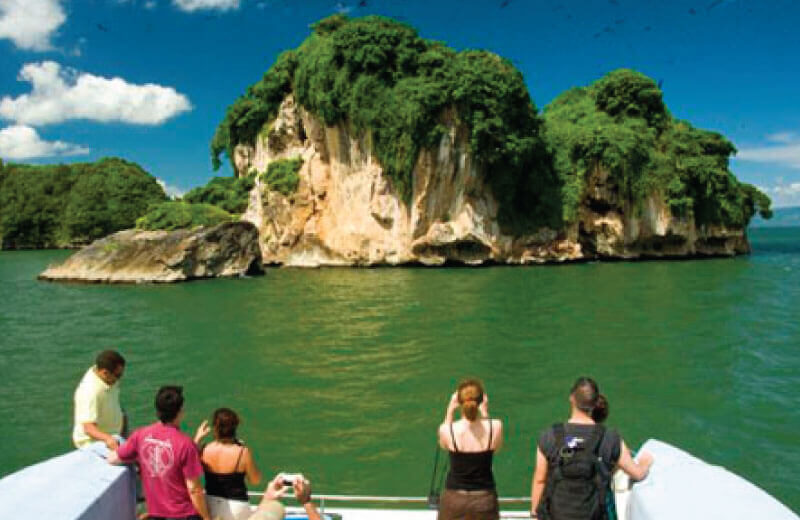
Depending on your excursion route, you may be able to observe mangrove-lined shores from a boat.
Keep in mind that not all areas are open to independent exploration. Follow the designated route and avoid entering vegetation or shallow habitats without authorization.
9. Relax on the Park’s Beaches
The park includes beautiful coastal areas, with Saona Island especially well known for its pale sand and turquoise waters.
For many visitors, the simplest pleasure is spending time on the beach, enjoying the scenery, swimming when conditions are suitable, and taking photographs.
However, these are protected natural environments, not ordinary resort beaches. Facilities may be limited in some locations, and access may be managed through organized excursions.
Bring any essentials you need, including sun protection, and take all rubbish away with you.
10. Learn About Sea Turtle Conservation
Saona Island is an important nesting area for sea turtles in the Dominican Republic.
Turtles depend on suitable beaches to lay their eggs, and human activity can affect nesting success. Artificial lighting, disturbance, litter, and unauthorized handling can all create problems for these vulnerable animals.
Visitors can help by following a few simple rules:
- Never touch or chase sea turtles.
- Do not disturb nests or hatchlings.
- Avoid leaving rubbish on the beach.
- Follow local restrictions on nighttime beach access.
- Do not use flash photography around nesting turtles unless explicitly permitted by the responsible authorities.
- Support responsible wildlife and conservation initiatives.
Sea turtle sightings are never guaranteed, and visitors should be wary of anyone promising a guaranteed encounter.
Wildlife and Biodiversity in Cotubanamá National Park
The park’s mixture of forest, coastline, wetlands, caves, and marine environments supports a diverse range of life.
Its biodiversity is one of the main reasons the area is protected and why responsible tourism is so important.
Birds
Birds are among the most visible forms of wildlife in the region. Coastal areas and mangroves may attract seabirds and wading birds, while wooded habitats support other native species.
Bring binoculars if you want to observe birds more closely without approaching them.
Reptiles
The park’s terrestrial and coastal environments support reptiles, including species adapted to the Dominican Republic’s warm climate.
Sea turtles are particularly important to the conservation story of Saona Island. Their nesting areas should be treated with care.
Marine Life
The surrounding marine environment includes tropical fish and other animals associated with coral reefs and seagrass beds.
Manatees are also associated with the wider Caribbean’s coastal habitats. However, sightings in the wild are unpredictable, and visitors should never pursue wildlife in an attempt to obtain a closer view.
Plants and Forest Habitats
Cotubanamá includes dry forest and other tropical vegetation adapted to the region’s climate and limestone soils.
The park’s plants provide food and shelter for wildlife and contribute to the ecological balance of the area.
Visitors should stay on authorized trails and avoid collecting plants, seeds, shells, or other natural objects.
The Taíno Heritage of Cotubanamá National Park
The park’s cultural significance is closely connected to the Taíno people, who inhabited Hispaniola and other Caribbean islands before European colonization.
Caves in the region contain archaeological evidence that helps researchers understand Indigenous life, beliefs, and activities.
Petroglyphs and Pictographs
Petroglyphs are images or symbols carved into rock, while pictographs are painted or otherwise applied to a surface.
Some caves and archaeological locations in the wider park area contain examples of Indigenous rock art.
These sites are valuable cultural resources. Visitors should never touch, mark, or attempt to remove anything from an archaeological location.
Why Cultural Preservation Matters
Archaeological sites can be damaged by direct contact, vandalism, and uncontrolled access. Even apparently minor actions can cause lasting harm.
Responsible visitors should follow their guide’s instructions, remain within designated routes, and avoid treating caves as places to leave personal marks or collect souvenirs.
Connecting Nature With History
Exploring Cotubanamá National Park can provide a broader understanding of the Dominican Republic’s heritage.
The park’s landscapes are not only important for their natural beauty; they also preserve evidence of Indigenous history and the long relationship between people and the Caribbean environment.
Best Time to Visit Cotubanamá National Park
Cotubanamá National Park can be visited throughout the year, but weather and sea conditions influence the type of experience available.
The best time for your visit depends on whether you are planning a boat excursion, a beach day, snorkeling, or a land-based nature walk.
December to April
These months are often popular for travel in the Dominican Republic because conditions are generally drier than during parts of the rainy season.
Visitors may find this period convenient for combining beach activities, boat excursions, and land-based exploration. However, wind and sea conditions can still affect boat departures and snorkeling stops.
May to August
The warmer months can be suitable for beach and marine activities, but rain showers and changing weather may affect travel plans.
Bring sun protection and plenty of water, and check your excursion’s cancellation or rescheduling policy.
September to November
This period can bring more variable weather and a greater need to monitor tropical weather forecasts.
Boat trips may be adjusted or cancelled when conditions are unsuitable. Travelers should follow instructions from tour operators and local authorities rather than attempting to proceed in unsafe weather.
Should You Book a Boat Excursion in Advance?
Booking ahead can help you organize transportation and select a suitable tour, especially during busy travel periods.
However, reservations do not guarantee that a boat will depart regardless of weather. Responsible operators may change routes, postpone trips, or cancel excursions when safety requires it.
How to Get to Cotubanamá National Park
Your route depends on which part of the park you want to visit.
From Bayahíbe
Bayahíbe is one of the main gateways to the park and the principal departure point for many Saona Island excursions.
The village has a waterfront area, tour operators, restaurants, and accommodation. It is a convenient base for travelers interested in combining beach activities with nature exploration.
If you are joining a boat trip, confirm the meeting point and departure time with your operator.
From Punta Cana
Travelers staying in Punta Cana can reach the Bayahíbe area by road, generally in around an hour or somewhat longer depending on the resort’s location and traffic.
Many organized excursions offer hotel pickup from selected areas, although the service and transfer time depend on the package.
Confirm whether transportation is included and whether your hotel is within the pickup area.
From La Romana
La Romana is relatively close to Bayahíbe and provides another convenient starting point.
Visitors staying in the area can travel by road to the village and arrange a boat trip or visit selected mainland attractions, subject to access conditions.
From Santo Domingo
Travelers from Santo Domingo should allow several hours to reach Bayahíbe by road.
If you are planning a full-day boat excursion, pay particular attention to departure times and transport arrangements. An overnight stay nearby may be more comfortable than a very early start followed by a long return drive.
Is Cotubanamá National Park Suitable for Families?
Cotubanamá National Park can be an enjoyable destination for families, particularly those interested in beaches, boats, marine life, and nature.
A boat excursion to Saona Island may be a good option for families who want to combine scenic travel with time on the beach.
However, some experiences require additional care.
For young children: Confirm the length of the boat journey, availability of life jackets, shade, toilet facilities, and whether the tour is suitable for your child’s age.
For non-swimmers: Ask about flotation equipment and whether the tour includes swimming stops in open water.
For older travelers: Check walking distances, uneven terrain, cave access, and the amount of time spent on boats.
For visitors with mobility limitations: Confirm accessibility before booking, as some boats, beaches, trails, and caves may not be suitable for all mobility needs.
Always supervise children near the water and follow the crew’s safety instructions.
What Should You Bring to Cotubanamá National Park?
The items you need depend on your planned activities, but a little preparation can make your visit more comfortable.
Recommended items include:
- Sunscreen suitable for your activities.
- A hat and sunglasses.
- Comfortable walking shoes or sandals with secure straps.
- Swimwear and a towel for appropriate beach or swimming activities.
- A reusable water bottle.
- A waterproof bag for personal belongings.
- A change of clothes if you are taking a boat trip.
- Cash for incidental purchases where appropriate.
- A phone or camera in a protective case.
- Any personal medication you need.
If you are joining a guided cave or ecological trail visit, follow the operator’s recommendations about footwear, clothing, and equipment.
Avoid bringing single-use plastic items where possible, and take all waste away with you.
Responsible Tourism Rules for Visitors
Because Cotubanamá National Park is a protected area, visitors should take special care to minimize their impact.
Protect Coral Reefs
Never stand on coral, remove pieces of coral, or collect marine organisms. Use appropriate snorkeling techniques and follow the guidance of your crew.
Respect Sea Turtle Nesting Areas
Avoid disturbing beaches used by nesting turtles. Follow access restrictions and never handle eggs or hatchlings.
Do Not Damage Caves or Rock Art
Caves and archaeological sites are fragile. Do not carve names into rock, touch Indigenous markings, or remove artifacts.
Keep the Environment Clean
Take your rubbish with you and avoid leaving food packaging, bottles, cigarette butts, or other waste.
Follow Authorized Routes
Some areas are restricted for conservation, archaeological, or safety reasons. Remain on permitted trails and use authorized access points.
Respect Local Communities
When visiting Mano Juan or other inhabited areas, be considerate of residents and their daily activities. Ask before photographing people or private property.
Responsible behavior helps preserve the park’s natural beauty and cultural significance for future generations.
Suggested Itinerary: A Day Exploring Cotubanamá National Park
For travelers with limited time, a guided excursion can be a practical way to experience the park’s coastal environment.
Morning: Depart for Saona Island
Start from the agreed meeting point in Bayahíbe or arrange pickup from your hotel if your excursion includes it.
Travel by the vessel specified in your booking and enjoy the coastal scenery along the way.
Late Morning: Enjoy a Beach or Natural Pool Stop
Depending on the itinerary and conditions, your excursion may include time at a beach or shallow natural pool.
Follow the crew’s instructions and take care when swimming in open water.
Afternoon: Explore the Island and Return
Depending on the package, spend time relaxing on the beach, enjoy lunch, or visit an inhabited area such as Mano Juan if included.
Return to the mainland according to the tour schedule.
This is a general example rather than a guaranteed itinerary. Stops, travel times, meals, and activities vary by operator and sea conditions.
Travelers who want to explore the park’s caves or ecological trails should arrange those experiences separately when required and verify access regulations.
Frequently Asked Questions About Cotubanamá National Park
Where is Cotubanamá National Park located?
Cotubanamá National Park is in the southeastern Dominican Republic, near Bayahíbe and La Romana. The protected area includes a mainland section and Saona Island.
What was Cotubanamá National Park called before?
The park was formerly known as Parque Nacional del Este, or East National Park. It was renamed in honor of the Taíno leader Cotubanamá.
Is Saona Island part of Cotubanamá National Park?
Yes. Saona Island is part of the protected area and is one of its best-known attractions.
What are the best things to do in Cotubanamá National Park?
Popular experiences include visiting Saona Island, enjoying beaches, taking boat excursions, snorkeling at suitable sites, observing wildlife, and exploring authorized caves and ecological trails.
Can you visit Cotubanamá National Park from Punta Cana?
Yes. Visitors staying in Punta Cana can travel to the Bayahíbe area and join an excursion or arrange a suitable land-based visit. Travel time depends on the location of your hotel and road conditions.
How do you get to Saona Island?
Many visitors travel by speedboat, catamaran, or a combination of boats from Bayahíbe. The route and journey time depend on the excursion selected.
Can you go snorkeling in Cotubanamá National Park?
Snorkeling is available at selected marine sites in the surrounding area, depending on the excursion and sea conditions. Follow your operator’s safety instructions and avoid touching coral or marine animals.
Are there caves in Cotubanamá National Park?
Yes. The park is known for limestone caves, some of which have geological, freshwater, or archaeological significance. Access varies, and some locations require authorized guides or have restrictions.
Can you swim in the freshwater pools or caves?
Swimming is not permitted everywhere, and access rules vary by site. Check current regulations and follow local guidance rather than assuming that every pool or cave is open to visitors.
Is Cotubanamá National Park good for families?
It can be a good option for families interested in boat trips, beaches, and nature. Choose activities suitable for children’s ages and swimming abilities, and confirm safety equipment and accessibility before booking.
What is the best time of year to visit?
The park is visited throughout the year. The drier months from approximately December through April are popular, but weather and sea conditions can affect boat excursions in any season.
Do I need a guide to visit Cotubanamá National Park?
Requirements depend on the area and activity. Some experiences can be arranged through organized boat excursions, while certain caves, trails, or protected sites may require an authorized guide or have restricted access.
Why is Cotubanamá National Park important?
The park protects terrestrial and marine habitats, including forests, caves, coastal wetlands, and coral reefs. It is also important for Taíno archaeological heritage and sea turtle conservation.
Plan Your Cotubanamá National Park Experience With Go Dominican Travel
Cotubanamá National Park brings together some of the Dominican Republic’s most beautiful natural and cultural experiences. From the white-sand beaches of Saona Island to limestone caves, coastal ecosystems, and important Taíno heritage sites, the park offers much more than a traditional beach excursion.
Whether you want to spend a day exploring Saona Island, discover the marine environment around Bayahíbe, or learn more about the Dominican Republic’s protected landscapes, planning your visit around responsible tourism will help you make the most of the experience.
Explore our Saona Island excursion, discover more excursions and tours, or browse our Dominican Republic destination guides to plan the next stage of your trip.
Discover Cotubanamá National Park and experience the natural beauty, marine life, and cultural heritage of the Dominican Repub
Activities Saona Island