National Botanical Garden Dominican Republic: Discover the Green Heart of Santo Domingo
The National Botanical Garden of the Dominican Republic is one of the most beautiful natural attractions in Santo Domingo. Known locally as the Jardín Botánico Nacional Dr. Rafael María Moscoso, this expansive green space offers visitors a peaceful escape from the busy streets of the capital.
Covering approximately two million square meters, the garden is recognized as one of the largest botanical gardens in the Caribbean. It features extensive green areas, tropical vegetation, collections of native and exotic plants, colorful orchids, tranquil water features, and beautifully landscaped gardens.
Whether you are visiting Santo Domingo for the first time, planning a family outing, or looking for outdoor activities beyond the city’s historic streets, the National Botanical Garden is an excellent destination to add to your itinerary.
The garden is more than a recreational park. It also plays an important role in botanical research, environmental education, and the conservation of Dominican plant species.
In this guide, you will discover the best things to see at the National Botanical Garden, its most popular attractions, practical visitor information, and tips for including it in your Dominican Republic vacation.
Where Is the National Botanical Garden Located?
The National Botanical Garden is located in the northern part of Santo Domingo, the capital of the Dominican Republic.
Its official name honors Dr. Rafael María Moscoso, a respected Dominican botanist known for his contributions to the study of the island’s flora.
The garden’s main entrance is situated at the intersection of Avenida República de Colombia and Avenida Los Próceres, in the Altos de Galá area of Santo Domingo.
Its location makes it accessible to visitors staying in different parts of the capital, including the city center and the Colonial Zone, although travel times depend on traffic.
Unlike the historic streets of the Colonial Zone, where visitors discover colonial architecture, museums, and cultural landmarks, the botanical garden offers a different experience centered on nature, biodiversity, and relaxation.
It is an excellent destination for travelers who want to explore another side of Santo Domingo.
How to Get to the National Botanical Garden
There are several ways to reach the National Botanical Garden.
By taxi or private transportation
Taking a taxi or arranging private transportation is a convenient option, especially if you are visiting Santo Domingo for a short period.
Private transportation can be particularly useful for families, small groups, and travelers who want to combine the botanical garden with other attractions around the city.
By rental car
Visitors who prefer to explore independently can drive to the garden. Consider traffic conditions when planning your visit, particularly during weekday rush hours.
From the Colonial Zone
If you are staying in the Colonial Zone, allow additional time for the journey. The distance and travel time will depend on your exact starting point and current traffic.
For a more comfortable sightseeing experience, you can also organize a private city tour that combines the National Botanical Garden with other attractions in Santo Domingo.
Why Visit the National Botanical Garden in Santo Domingo?
The National Botanical Garden offers a refreshing alternative to the Dominican Republic’s beaches and resort destinations.
Instead of spending the day by the sea, visitors can explore tropical plants, discover carefully landscaped gardens, walk beneath the shade of trees, and learn more about the country’s natural environment.
Here are some of the main reasons to visit.
1. Discover the Dominican Republic’s Plant Diversity
The garden showcases a wide variety of plant species, including native, endemic, and exotic plants.
Its collections help visitors understand the diversity of vegetation found throughout the Dominican Republic and the wider Caribbean.
From towering palms to colorful orchids and aquatic plants, the garden offers an opportunity to discover the country’s botanical heritage in one location.
2. Explore Beautiful Landscaped Gardens
One of the highlights of the National Botanical Garden is its collection of themed gardens and landscaped areas.
Visitors can enjoy peaceful paths, ornamental plants, ponds, and carefully maintained green spaces.
The Japanese Garden is particularly popular for its serene atmosphere and distinctive landscaping.
3. Enjoy a Break from the City
Santo Domingo is a lively capital with busy roads, restaurants, shopping areas, and historic attractions.
The botanical garden provides a quieter environment where visitors can slow down, enjoy the outdoors, and escape the urban atmosphere for a few hours.
It is especially appealing to travelers who enjoy walking, photography, and spending time in nature.
4. Learn About Environmental Conservation
The garden is also an important scientific and educational institution.
Its work includes botanical research, plant conservation, environmental education, and the preservation of Dominican flora.
Visitors can gain a better appreciation of the importance of protecting native plants and maintaining biodiversity.
Best Things to See at the National Botanical Garden
The National Botanical Garden is extensive, so it is worth planning your visit around the areas that interest you most.
Although walking through the grounds is enjoyable in itself, several attractions stand out.
1. The Japanese Garden
The Japanese Garden is one of the most recognizable attractions within the National Botanical Garden.
Its landscaped surroundings, water features, bridges, and carefully arranged vegetation create a peaceful environment that contrasts with the busy streets of Santo Domingo.
The garden’s design draws inspiration from traditional Japanese landscaping, emphasizing balance, simplicity, and harmony with nature.
Visitors can stroll along the paths, admire the plants, and take photographs of the scenery.
The Japanese Garden is especially appealing to couples, families, and photography enthusiasts.
It is also a popular location for visitors who want to enjoy a quiet moment during their exploration of the capital.
2. The Floral Clock
Another distinctive attraction is the garden’s large floral clock.
This impressive feature combines landscaping, flowers, and timekeeping in a decorative design that has become one of the garden’s best-known landmarks.
The surrounding greenery and water features provide an attractive setting for photographs.
The floral clock is worth including in your route, particularly if you want to see some of the garden’s most recognizable features.
3. The Orchid Collection
The Dominican Republic’s tropical climate supports a remarkable diversity of plant life, including many orchid species.
The National Botanical Garden maintains collections of orchids and other ornamental plants, allowing visitors to appreciate their different shapes, colors, and growing environments.
Orchids are particularly interesting for travelers who enjoy tropical flowers and botanical photography.
If you are passionate about gardening or plant conservation, this area offers an opportunity to learn more about the diversity of the region’s flora.
The appearance of flowering plants can vary throughout the year, so not every orchid will necessarily be in bloom during your visit.
4. The Palm Collection
Palms are among the most recognizable plants in the Caribbean landscape.
The National Botanical Garden features a collection of palm species that illustrates the diversity of these plants, from familiar tropical palms to varieties that may be less recognizable to visitors.
The collection is an excellent place to learn about the importance of palms in Caribbean ecosystems and landscapes.
It also offers plenty of opportunities for photography, especially for visitors interested in tropical vegetation.
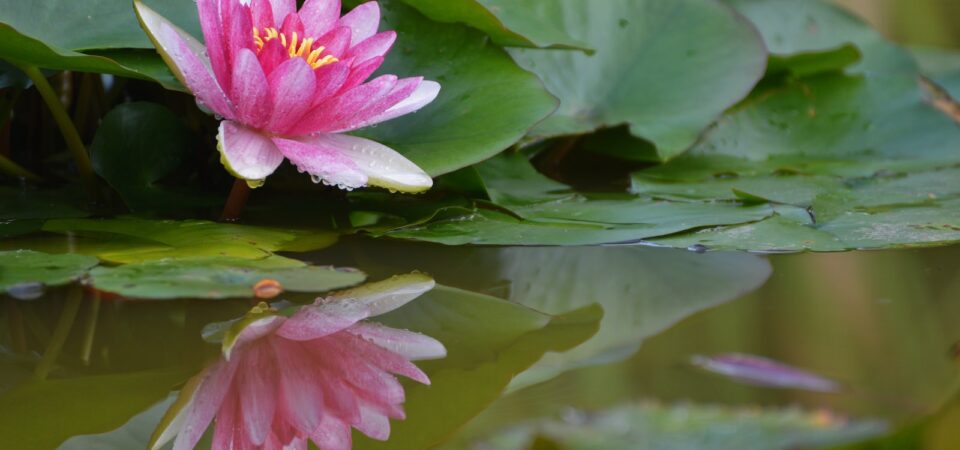
5. The Aquatic Plant Areas
Water features are an important part of the garden’s landscape.
Visitors can discover ponds and areas dedicated to aquatic plants, where vegetation grows in and around the water.
These environments provide a different perspective on tropical biodiversity and contribute to the garden’s peaceful atmosphere.
They are particularly attractive for visitors who enjoy observing plants, photographing reflections, or taking a break along the walking routes.
6. The National Herbarium
The National Botanical Garden also contributes to botanical research and the scientific documentation of plant diversity.
Its herbarium supports the study and identification of plant specimens, helping researchers and specialists understand the flora of the Dominican Republic.
Although the scientific collections may not be accessible in the same way as the public gardens, the institution’s research work is an important part of its mission.
For travelers interested in botany, conservation, or environmental science, this aspect of the garden adds educational value to the visit.
7. Native and Endemic Plants of the Dominican Republic
One of the most valuable aspects of the National Botanical Garden is its role in preserving and showcasing the country’s botanical heritage.
The Dominican Republic is home to a variety of native and endemic plant species, some of which are found naturally only in the Dominican Republic or on the island of Hispaniola.
The garden helps visitors appreciate this biodiversity and understand why plant conservation is important.
Exploring these collections can also provide a better understanding of the different ecosystems found throughout the country, from coastal environments to mountainous regions.
8. The Garden’s Walking Paths and Green Spaces
You do not need to be a botanist to enjoy the National Botanical Garden.
Many visitors come simply to walk, relax, observe the scenery, and spend time outdoors.
The garden’s extensive grounds provide space for leisurely strolls and opportunities to discover different plants and landscapes at your own pace.
If you enjoy outdoor activities, consider allowing enough time to explore beyond the most popular attractions.
Comfortable shoes and drinking water are recommended, particularly on warm and sunny days.
Take a Train Tour Through the National Botanical Garden
Because the garden covers a large area, exploring every section on foot can require considerable time and energy.
One popular option is the garden’s tourist train, which allows visitors to see different areas of the grounds without walking the entire route.
A train ride can be a practical choice for families with children, older visitors, and travelers who want an overview of the garden before exploring specific sections on foot.
It can also be a good way to make the most of a shorter visit.
The availability, schedule, route, and cost of the train tour may vary. Check with the garden’s administration before your visit if you want to make this activity a central part of your plans.
For the best experience, consider combining the train tour with a walk through the Japanese Garden and other areas that interest you.
Is the National Botanical Garden Suitable for Families?
Yes. The National Botanical Garden is a good option for families looking for outdoor activities in Santo Domingo.
Children can experience a large green space, observe different plants, and discover the natural environment in an educational setting.
The garden can also provide a welcome change of pace for families who have spent several days visiting museums, shopping areas, or historical attractions.
Activities for Children
Depending on their interests and age, children may enjoy:
- Observing tropical plants and flowers.
- Exploring the Japanese Garden.
- Discovering the garden’s water features.
- Taking a ride on the tourist train, when available.
- Learning about native plants and environmental conservation.
- Taking photographs of interesting flowers and landscapes.
Parents should bring drinking water, sunscreen, hats, and comfortable footwear.
Young children should be supervised around ponds, water features, and any areas with uneven paths.
Is the National Botanical Garden Worth Visiting?
For many travelers, the answer is yes.
The National Botanical Garden offers a different perspective on Santo Domingo and the Dominican Republic. Instead of focusing on architecture, museums, or beaches, it highlights the country’s natural diversity.
It is particularly worthwhile if you:
- Enjoy tropical plants and landscaped gardens.
- Want a relaxing outdoor activity in Santo Domingo.
- Are interested in environmental conservation.
- Are traveling with children.
- Enjoy photography and nature.
- Have already visited the city’s main historical attractions and want to explore something different.
If your itinerary is very short, you may need to prioritize the attractions that interest you most. However, for travelers spending several days in the capital, the garden is a rewarding addition to a broader sightseeing itinerary.
Best Time to Visit the National Botanical Garden
The National Botanical Garden can be visited throughout the year.
However, the best time for your visit may depend on the weather, your preferred activities, and how much time you want to spend outdoors.
Visit in the Morning
Morning is often a good time to explore the garden because temperatures are generally more comfortable than during the hottest part of the afternoon.
Arriving earlier also gives you more time to walk through different areas, take photographs, and enjoy the surroundings.
Consider the Weather
Santo Domingo has a tropical climate, with warm temperatures throughout the year.
Bring water, wear lightweight clothing, and use sunscreen when spending time outdoors.
Rain showers can occur, so checking the weather forecast before your visit is a good idea.
Weekdays and Weekends
The garden is a recreational destination for residents of Santo Domingo as well as international visitors.
Weekends may be busier, particularly when families and groups visit to enjoy the green spaces.
If you prefer a quieter atmosphere, consider visiting on a weekday and confirming current opening hours before you leave.
National Botanical Garden Opening Hours and Visitor Information
Before visiting the National Botanical Garden, it is helpful to confirm the current operating hours, transportation options, and any fees associated with your planned activities.
The official garden website lists public visiting hours as 9:00 a.m. to 5:00 p.m., Monday through Sunday.
Because schedules, special events, and services may change, visitors should verify the latest information before traveling.
Location: Avenida República de Colombia, corner of Avenida Los Próceres, Altos de Galá, Santo Domingo, Dominican Republic.
Telephone: +1 809-385-2611, extension 221.
Official website: Jardín Botánico Nacional.
Suggested visit duration: Allow approximately two to four hours if you want to explore several areas at a relaxed pace. You may need more time if you are particularly interested in botanical collections, walking routes, or photography.
What Should You Bring?
For a comfortable visit, consider bringing:
- Comfortable walking shoes.
- Drinking water.
- Sunscreen and a hat.
- Lightweight clothing suitable for tropical weather.
- A camera or smartphone.
- Insect repellent if needed.
- A small bag for any personal items.
If you are visiting with children, bring any additional supplies they may need during an outdoor outing.
Places to Visit Near the National Botanical Garden
The botanical garden can be combined with other attractions in Santo Domingo, allowing you to discover more of the capital in one day.
1. The Colonial Zone
The Colonial Zone, or Zona Colonial, is one of the most famous historical districts in the Dominican Republic.
Its streets feature colonial-era buildings, churches, museums, restaurants, plazas, and cultural landmarks.
Visitors can explore the area’s history, admire its architecture, and experience the atmosphere of one of the Caribbean’s most historically significant urban centers.
The Colonial Zone offers a strong contrast with the botanical garden, making the two attractions an interesting combination for travelers who want to experience both nature and history.
Because traffic and travel time between the attractions can vary, plan your schedule accordingly.
2. The Columbus Lighthouse
The Columbus Lighthouse, known in Spanish as Faro a Colón, is a major monument in Santo Domingo.
Its imposing architecture and historical associations make it an interesting stop for visitors interested in Dominican history and culture.
It can be included in a broader city itinerary, particularly if you have private transportation or are organizing a full day of sightseeing.
3. The National Aquarium
The National Aquarium is another option for families and visitors interested in marine life.
It offers a different perspective on the Dominican Republic’s natural environment, focusing on aquatic animals and marine ecosystems.
Combining the aquarium with the botanical garden can create an itinerary centered on nature and environmental education.
Check current opening hours and visitor information before including it in your plans.
4. The National Museum of Natural History
Travelers interested in biodiversity and the natural sciences may also enjoy the National Museum of Natural History in Santo Domingo.
The museum offers educational exhibits about the natural world, complementing the botanical garden’s focus on plant life.
Because it is a separate attraction with its own opening schedule, confirm its visiting hours before planning your route.
5. Los Tres Ojos National Park
Los Tres Ojos is a popular natural attraction featuring a system of limestone caves and lakes.
The park provides a very different landscape from the botanical garden, with cave formations and striking bodies of water.
It is worth considering if you want to include another nature-focused destination in your Santo Domingo itinerary.
Allow enough time for transportation between attractions and check current visitor information before your visit.
Suggested One-Day Itinerary: National Botanical Garden and Santo Domingo
If you have one day available to explore Santo Domingo, consider combining the National Botanical Garden with some of the capital’s most recognizable attractions.
Here is a suggested itinerary.
Morning: National Botanical Garden
Start your day at the National Botanical Garden while temperatures are relatively comfortable.
Explore the Japanese Garden, admire the floral clock, discover tropical plants, and take a train tour if available.
Allow enough time to walk through the areas that interest you most.
Late morning or early afternoon: Lunch
After visiting the garden, head to a restaurant in Santo Domingo for lunch.
You can choose traditional Dominican food or explore the city’s broader culinary scene.
Afternoon: Colonial Zone
Spend the afternoon exploring the Colonial Zone.
Walk along its historic streets, visit cultural landmarks, and stop at a café or restaurant to enjoy the atmosphere.
If you prefer to visit another natural attraction, you could consider Los Tres Ojos instead, depending on your interests and transportation arrangements.
Evening: Enjoy Santo Domingo
Finish your day with dinner or a relaxed walk through one of the city’s lively areas.
This itinerary offers a balanced introduction to Santo Domingo, combining nature, history, and local culture.
Remember that travel times can vary considerably depending on traffic, so avoid scheduling too many activities too close together.
Discover Santo Domingo with Go Dominican Travel
Santo Domingo offers much more than its famous Colonial Zone. The capital combines history, culture, gastronomy, shopping, and natural attractions, making it an interesting destination for travelers exploring the Dominican Republic.
The National Botanical Garden is an excellent place to discover the country’s plant diversity and enjoy a peaceful outdoor experience.
Whether you are interested in tropical flowers, botanical research, family activities, or simply spending time in nature, the garden offers something different from the traditional Caribbean beach vacation.
At Go Dominican Travel, we help travelers discover destinations and experiences throughout the Dominican Republic.
If you are planning to explore Santo Domingo, consider combining the National Botanical Garden with the Colonial Zone, Los Tres Ojos, and other local attractions.
Explore our available tours and excursions to discover more ways to experience the Dominican Republic.
A well-planned itinerary can help you enjoy the country’s cultural landmarks, natural attractions, and unique local experiences.
Frequently Asked Questions About the National Botanical Garden
1. Where is the National Botanical Garden in the Dominican Republic?
The National Botanical Garden is located in Santo Domingo, at the intersection of Avenida República de Colombia and Avenida Los Próceres, in the Altos de Galá area.
2. What is the official name of the National Botanical Garden?
Its official name is Jardín Botánico Nacional Dr. Rafael María Moscoso, named in honor of the Dominican botanist.
3. What are the opening hours of the National Botanical Garden?
The official garden website lists public visiting hours as 9:00 a.m. to 5:00 p.m., Monday through Sunday. Confirm the current schedule before your visit.
4. How much does admission cost?
Admission fees and any additional charges for activities may change. Contact the garden or consult its official website for current prices before visiting.
5. How long should I spend at the National Botanical Garden?
Allow approximately two to four hours to explore several areas at a comfortable pace. Visitors interested in botanical collections, walking, or photography may want to stay longer.
6. What are the main attractions inside the garden?
Popular features include the Japanese Garden, floral clock, orchid collections, palm collections, aquatic plant areas, and extensive green spaces.
7. Can I take a train tour through the garden?
A tourist train has been offered as a way to explore the extensive grounds. Check current availability, departure times, and prices with the garden before your visit.
8. Is the National Botanical Garden suitable for children?
Yes. It offers outdoor space, tropical plants, and educational opportunities that can be enjoyable for families. Parents should supervise children near ponds and other water features.
9. Is the National Botanical Garden worth visiting?
Yes, particularly if you enjoy nature, tropical plants, photography, and outdoor activities. It is also an excellent alternative to the city’s historical attractions.
10. What is the best time to visit the garden?
Morning is often a comfortable time for walking and exploring. The garden is open throughout the year, but checking the weather and current opening hours is recommended.
11. Can I visit the Botanical Garden and the Colonial Zone on the same day?
Yes. Both attractions can be included in a one-day itinerary. Allow enough time for transportation between them, particularly during busy traffic periods.
12. Is transportation available to the National Botanical Garden?
Visitors can reach the garden by taxi, rental car, or private transportation. Travelers who want to explore several attractions in one day may find private transportation convenient.
Final Thoughts: Explore the National Botanical Garden in Santo Domingo
The National Botanical Garden is one of Santo Domingo’s most appealing destinations for travelers who appreciate nature, tropical plants, and peaceful outdoor spaces.
Its extensive grounds, beautiful Japanese Garden, colorful orchids, distinctive floral clock, and botanical collections make it an excellent place to spend a few hours away from the city’s busy streets.
Beyond its recreational appeal, the garden plays an important role in scientific research, environmental education, and the conservation of Dominican plant life.
Whether you are visiting Santo Domingo for a weekend or including the capital in a longer Dominican Republic vacation, consider adding the National Botanical Garden to your itinerary.
Ready to discover more of Santo Domingo? Visit Go Dominican Travel to explore destination guides, tours, and travel experiences throughout the Dominican Republic.